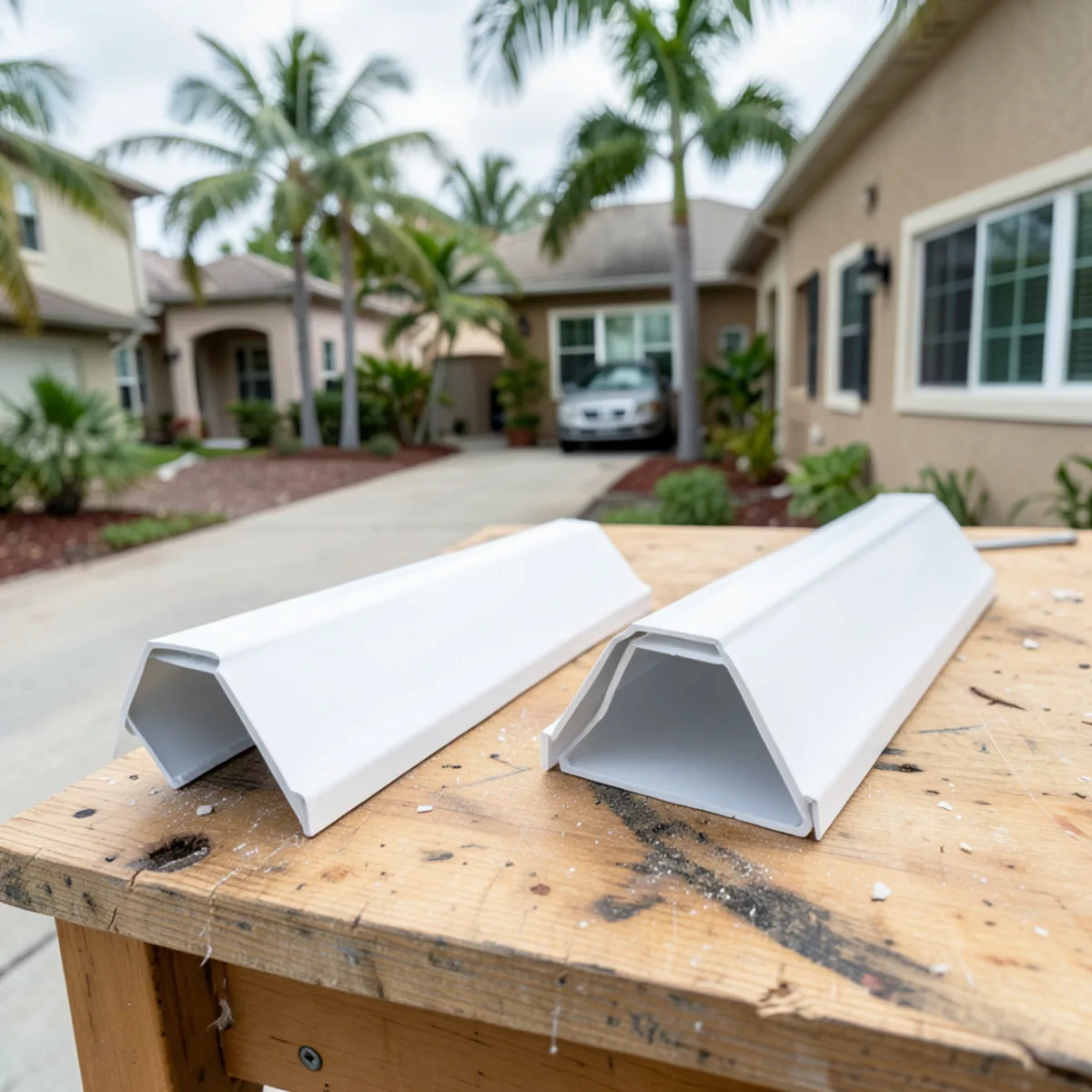
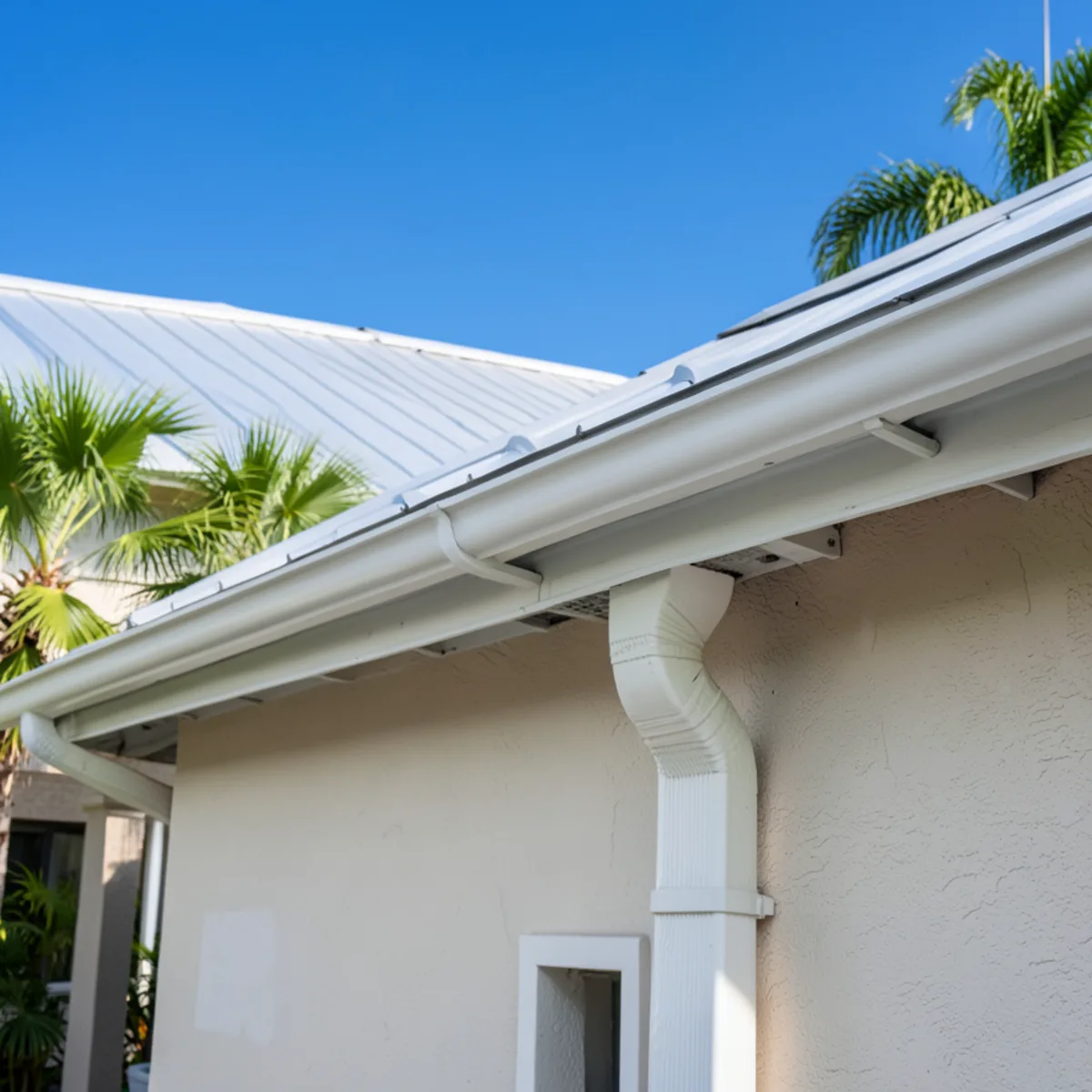
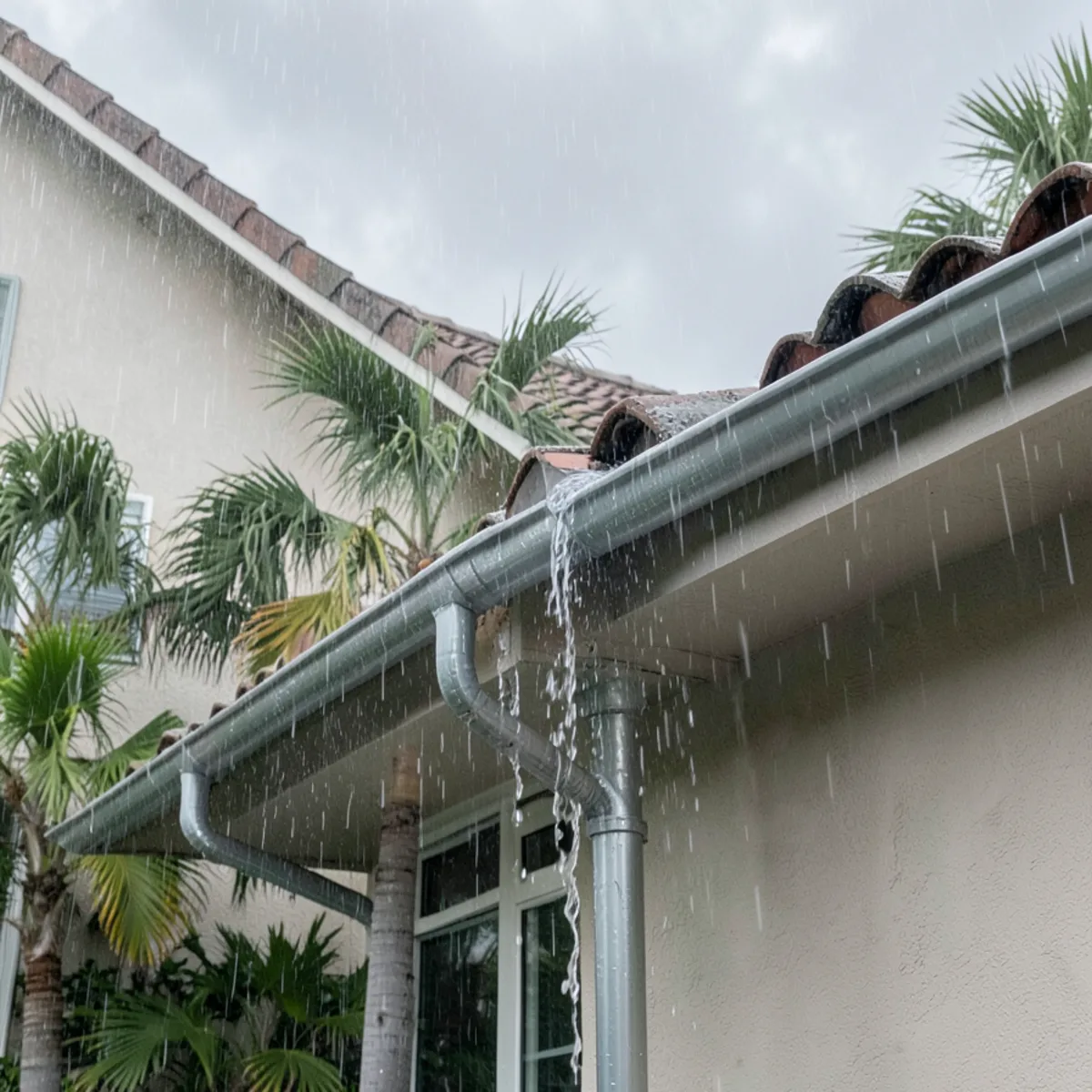
A standard 5-inch K-style gutter is fine for a lot of the country. It isn't always fine here. When a Cape Coral thunderstorm dumps two or three inches in an hour onto a big hip roof or a steep tile roof, the water arrives faster than a 5-inch gutter and a 2"x3" downspout can move it. It jumps the front edge, sheets down the wall, and pools at the slab.
6-inch gutters carry noticeably more water per foot, and paired with oversized 3"x4" downspouts they're the most common fix we install for homes that overflow even when the gutters are clean. We fabricate them seamless, on site, in .032 aluminum.
What's Included in a 6-Inch Gutter Upgrade
Going to 6-inch only works when the whole system is sized together. An upgrade or new 6-inch install includes the gutter, the outlets and the drops, planned from the roof that feeds them. On a replacement we also remove the old 5-inch runs and check the fascia they were hanging on, because wider gutters carry more weight when full.
- Roof-area and pitch check for each run to confirm 6-inch is the right call
- Seamless 6-inch K-style runs formed on site in .032 aluminum
- Larger outlets cut for 3"x4" downspouts
- Extra drops where valleys or long runs concentrate water
- Hidden hangers at tighter spacing for the heavier load
- Removal of old gutters and a water test of the finished system
Does Your Home Need 6-Inch Gutters?
Bigger isn't automatically better, so we size by the roof. 6-inch gutters usually make sense when you have:
- Large roof planes draining to one gutter run
- Steep or tile roofs that throw water fast and far
- Two-story homes where an upper roof dumps onto a lower one
- Roof valleys that concentrate water into one corner
- Long runs with few places to add a downspout
A single-story ranch with a simple roofline often does fine with 5-inch gutters and well-placed downspouts. For the math behind it, see 5-inch vs. 6-inch gutters for Florida homes.
Downspouts Matter As Much As the Gutter
A 6-inch gutter feeding a small downspout still backs up. We pair 6-inch gutters with 3"x4" downspouts, and add drops where the roof concentrates water, so the outlet keeps up with the channel. Where the water goes next matters too; see downspout installation.
Seamless, Coastal-Grade, Fabricated On Site
Every 6-inch run is formed from a coil on our truck to your exact measurements. No mid-run seams, .032-gauge aluminum for salt-air durability, and color matched to your trim. The heavier gauge also matters on wider gutters: more water weight needs a stiffer channel.
Hangers Sized for the Load
A full 6-inch gutter holds a lot of water. We fasten with hidden hangers screwed into solid fascia at tighter spacing than a light-duty install, so the run stays straight and pitched under load and through hurricane-season wind.
Will 6-Inch Gutters Look Too Big?
On most Florida homes, no. The fascia boards on tile and two-story homes are usually deep enough that a 6-inch profile looks proportionate. On a low single-story fascia we'll show you the difference before you decide. Color matching does most of the work of making gutters disappear.
Commercial and Oversized Systems
Commercial roofs, carports, and low-slope sections can need more than 6-inch residential gutters. For those we install box gutters and large-capacity runs. See commercial gutters for retail, office, and HOA work.
How We Size and Install 6-Inch Gutters
- 1
Measure the drainage area
We measure each roof plane feeding a run and note valleys and upper roofs that dump onto it.
- 2
Compare 5-inch and 6-inch
If a 5-inch run with an added drop handles the volume, we'll say so. If not, the run goes to 6-inch.
- 3
Plan the outlets
Outlets are placed and sized for 3"x4" downspouts so the drops keep up with the wider gutter.
- 4
Form and hang
Runs are formed on site and hung on hidden hangers spaced for the heavier load.
- 5
Flood test
We run a high volume of water through the busiest runs to confirm nothing jumps the front edge.
What 6-Inch Gutters Cost Compared With 5-Inch
Six-inch gutters use more aluminum per foot and pair with larger downspouts, so they cost a little more. Published 2026 national figures put the difference at about $1 to $2 per linear foot. The total still depends on footage, story height, the number of downspouts and whether old gutters come down first. On most homes, upsizing only the overflow-prone runs keeps the cost down. Our 5-inch vs. 6-inch guide shows when it's worth it.
Codes, HOAs and Contractor Checks
No building code in Southwest Florida mandates a gutter size for single-family homes; the right size comes from the roof. Local building departments, such as the City of Cape Coral's Permitting Services Division and Lee County Community Development, decide when gutter or drainage work needs review, and HOAs may require approval if the gutter profile or color changes. Lee County's local contractor categories cover fabricating and installing gutters, and you can verify a contractor's state license at myfloridalicense.com.
Why Upsize With CAG
We form 6-inch gutters on site, so every run is one piece at the size your roof needs, and we don't upsell 6-inch where 5-inch plus a better downspout will do. Carlos measures before recommending, and the estimate shows which runs change and why.
Where Bigger Gutters Earn Their Keep
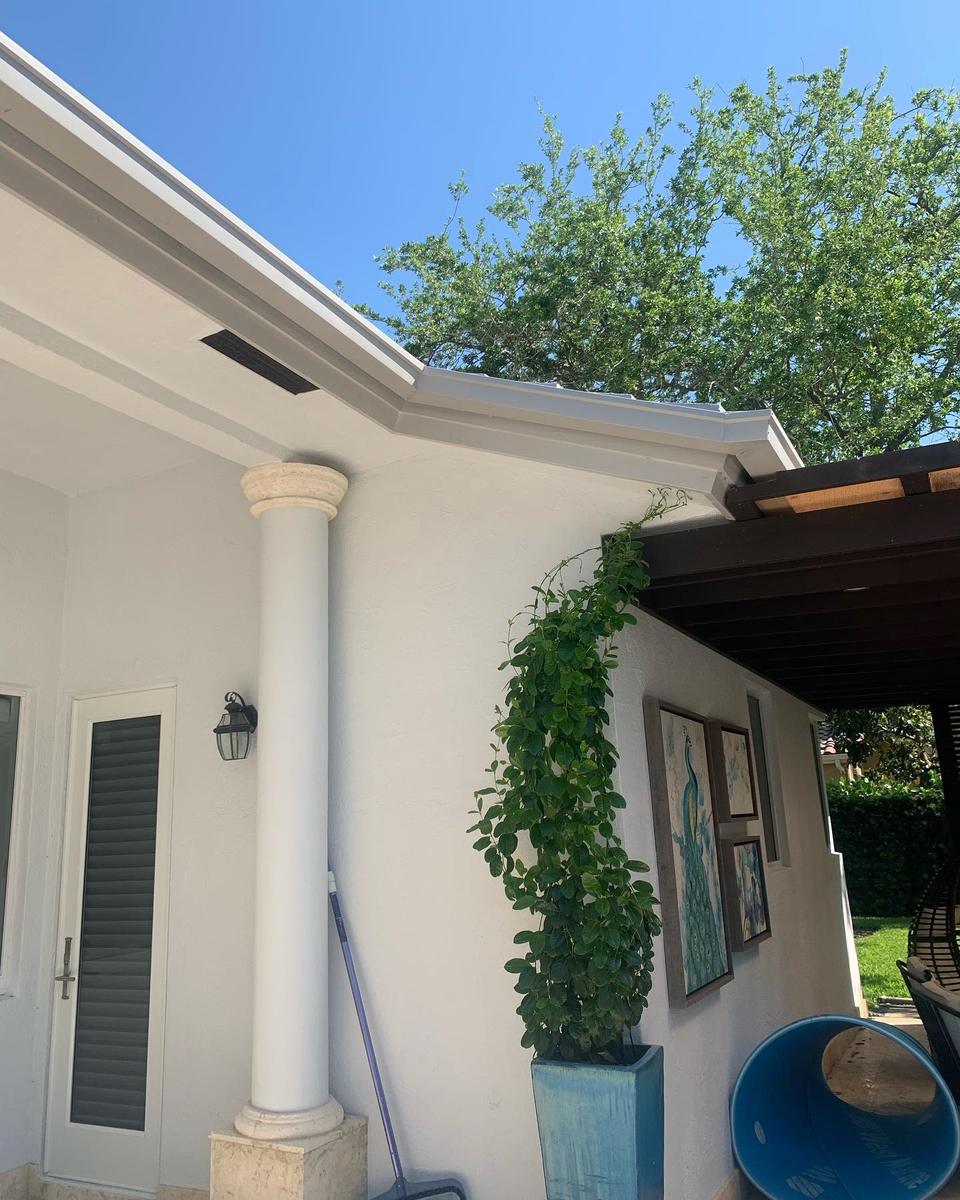
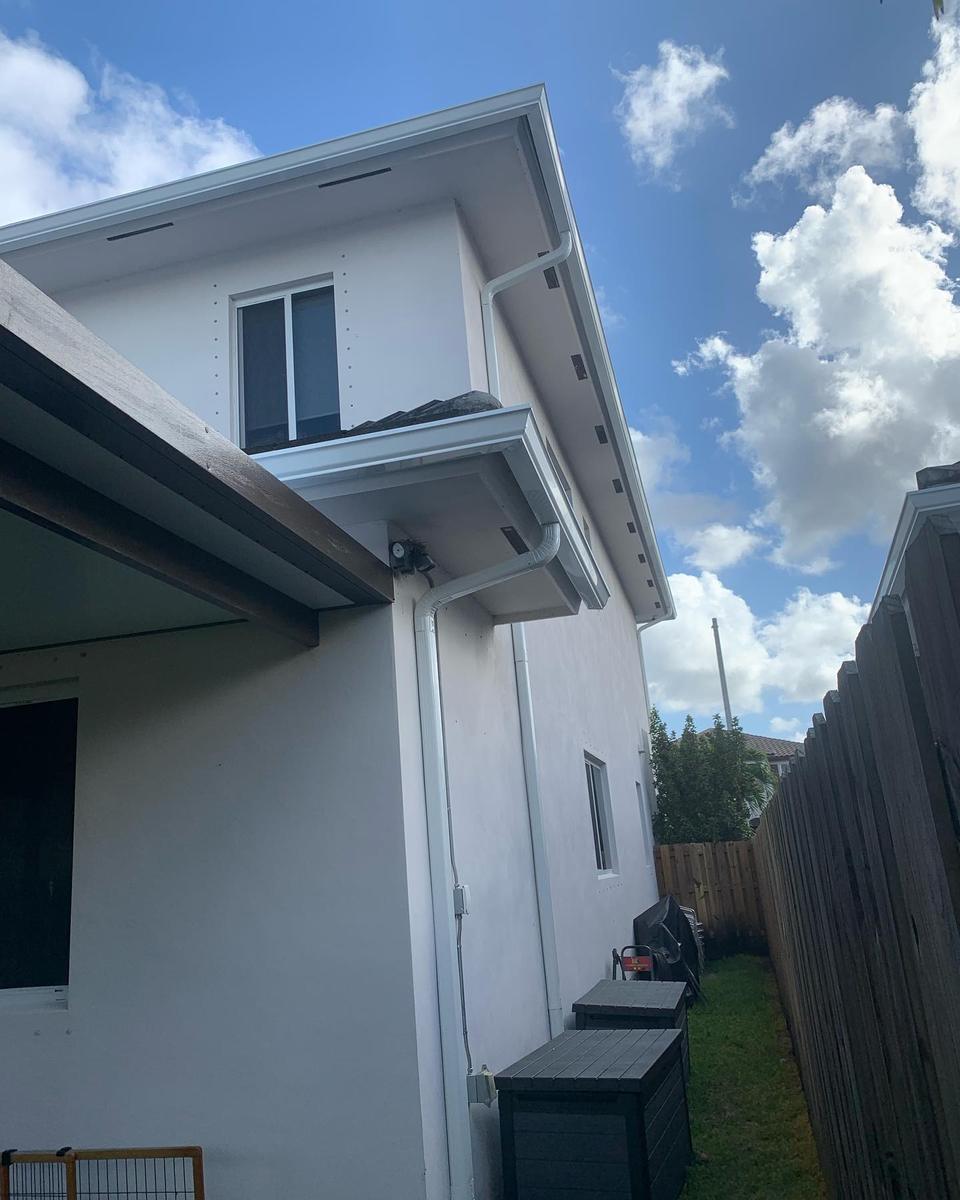
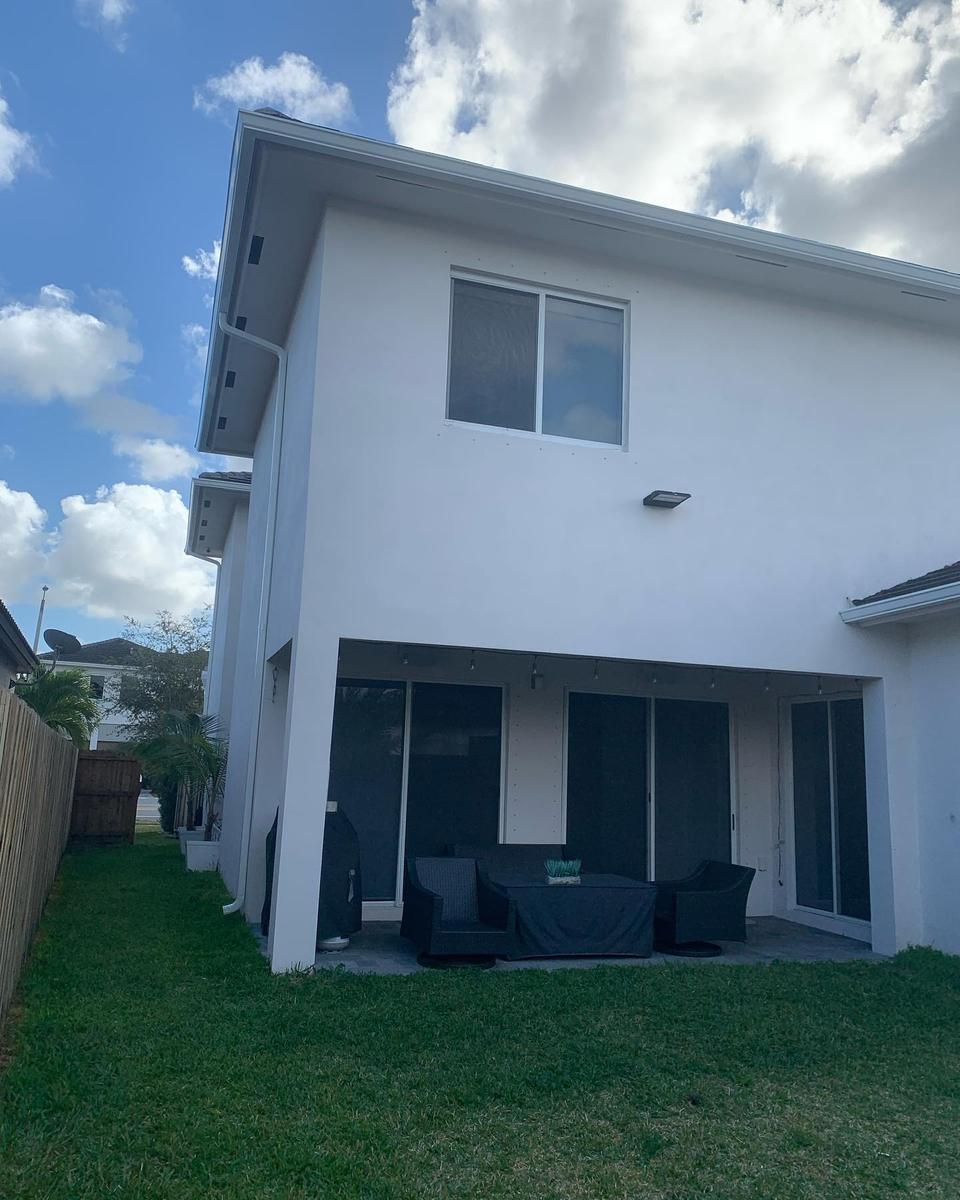
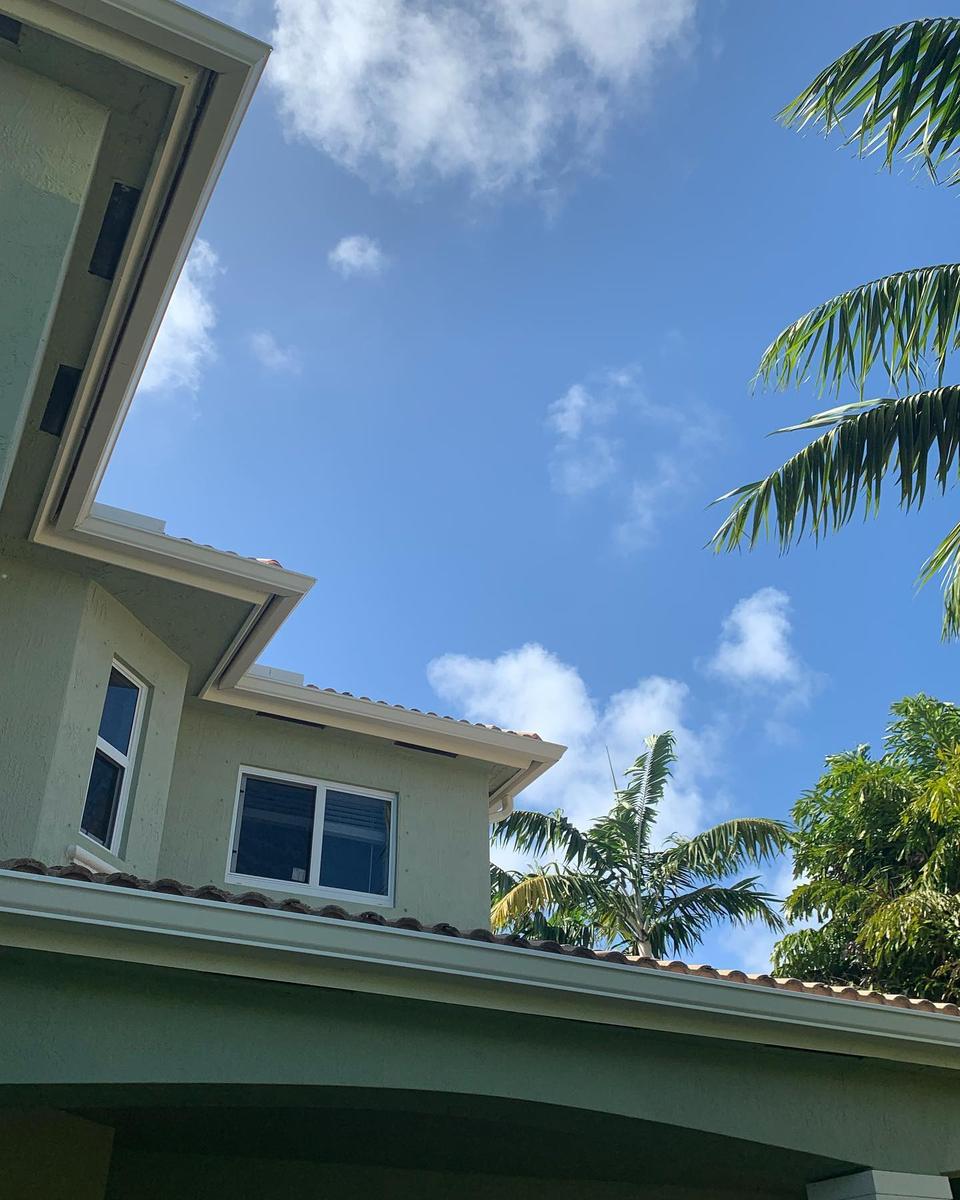
CAG jobs on the kinds of roofs that need extra capacity.
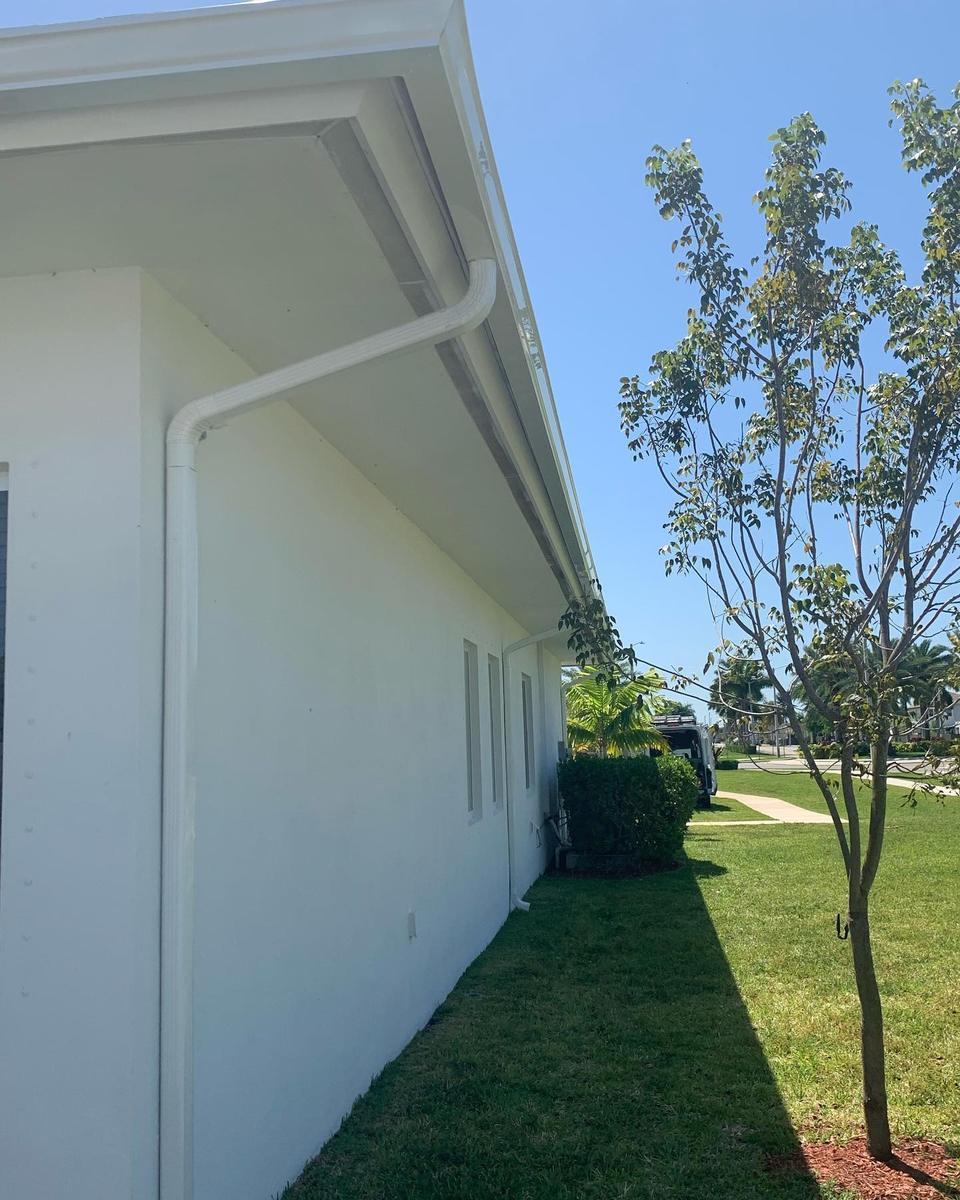
Gutter Sizes Compared
Illustrative images of what this work involves. They show typical details, not specific CAG jobs.