What Affects the Cost of Gutter Installation in Florida?
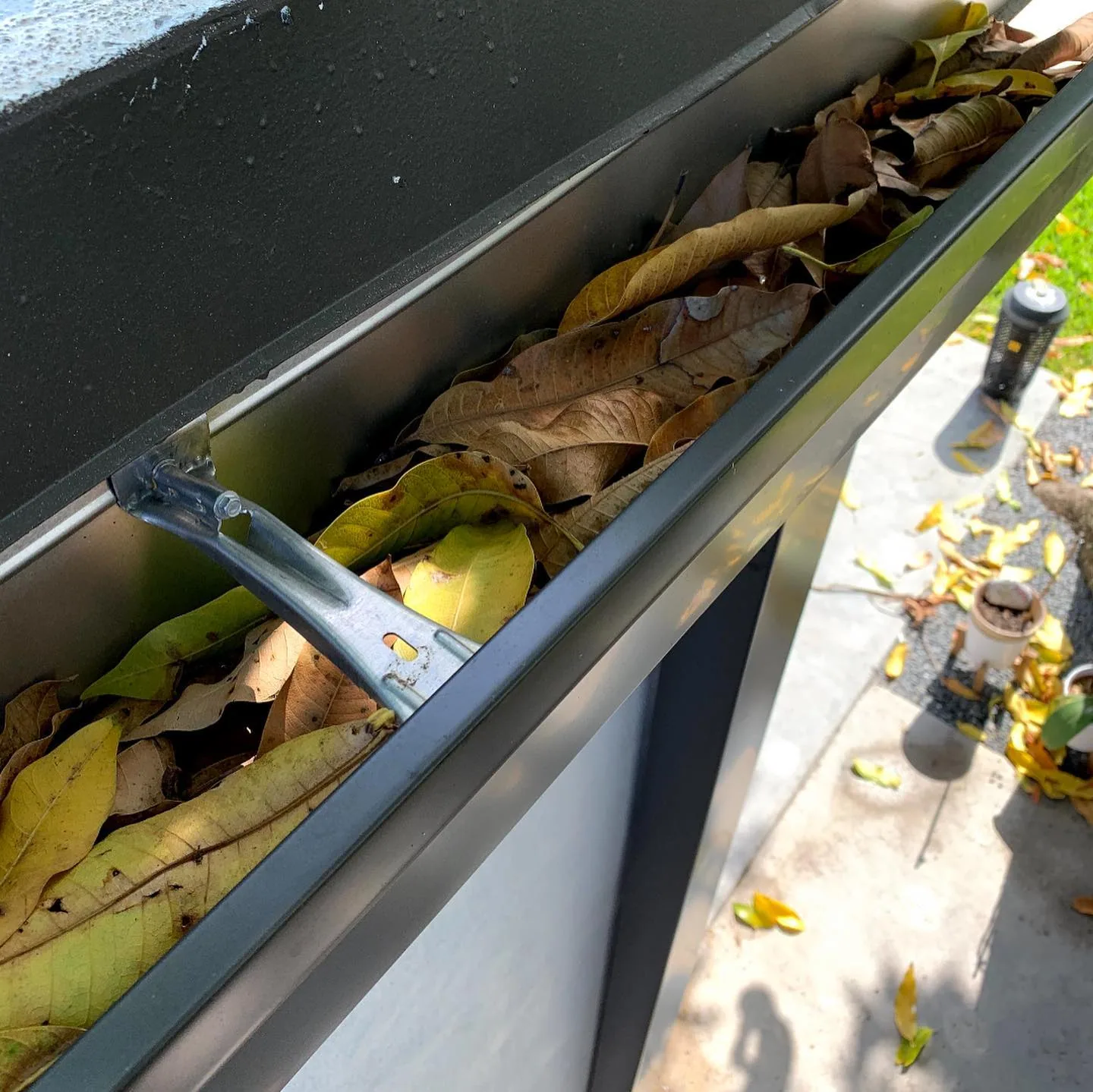
You called for a number. You got a range so wide it told you nothing. That is the frustrating part of pricing gutters in Southwest Florida. One house gets a quote that makes sense. The house next door, same builder, same street, comes in higher. The owner assumes someone is padding the bill.
Usually no one is. Gutter cost is driven by physical facts about your roof, your fascia, and the storms this region throws at a home. Salt air corrodes. Tropical downpours overwhelm undersized systems. Palm strings and oak catkins clog channels that were spec'd for a milder climate. Once you understand what actually moves the price, a quote stops feeling like a guess and starts looking like a plan. Here is what affects the cost of gutter installation in Florida, and where it pays to spend versus where it does not.
What Drives Your Gutter Installation Cost
| Cost Factor | Effect on Your Price |
|---|---|
| Linear footage & roofline complexity | More feet, corners and valleys raise the price |
| Home height & access | Two-story, ladders or scaffolding add labor |
| Material & gauge | Coastal-grade .032 aluminum vs. thinner metal |
| Downspouts | Number of drops plus oversized 3"x4" or dual |
| Gutter guards | Add-on cost by guard type and coverage |
| Fascia repair | Hidden rot found during inspection |
Linear Footage and Roofline Complexity
The first driver is simple math: how many linear feet of gutter your home needs. A long, straight ranch line is cheaper per foot to fabricate and hang than a cut-up roofline with multiple gables, valleys, and direction changes.
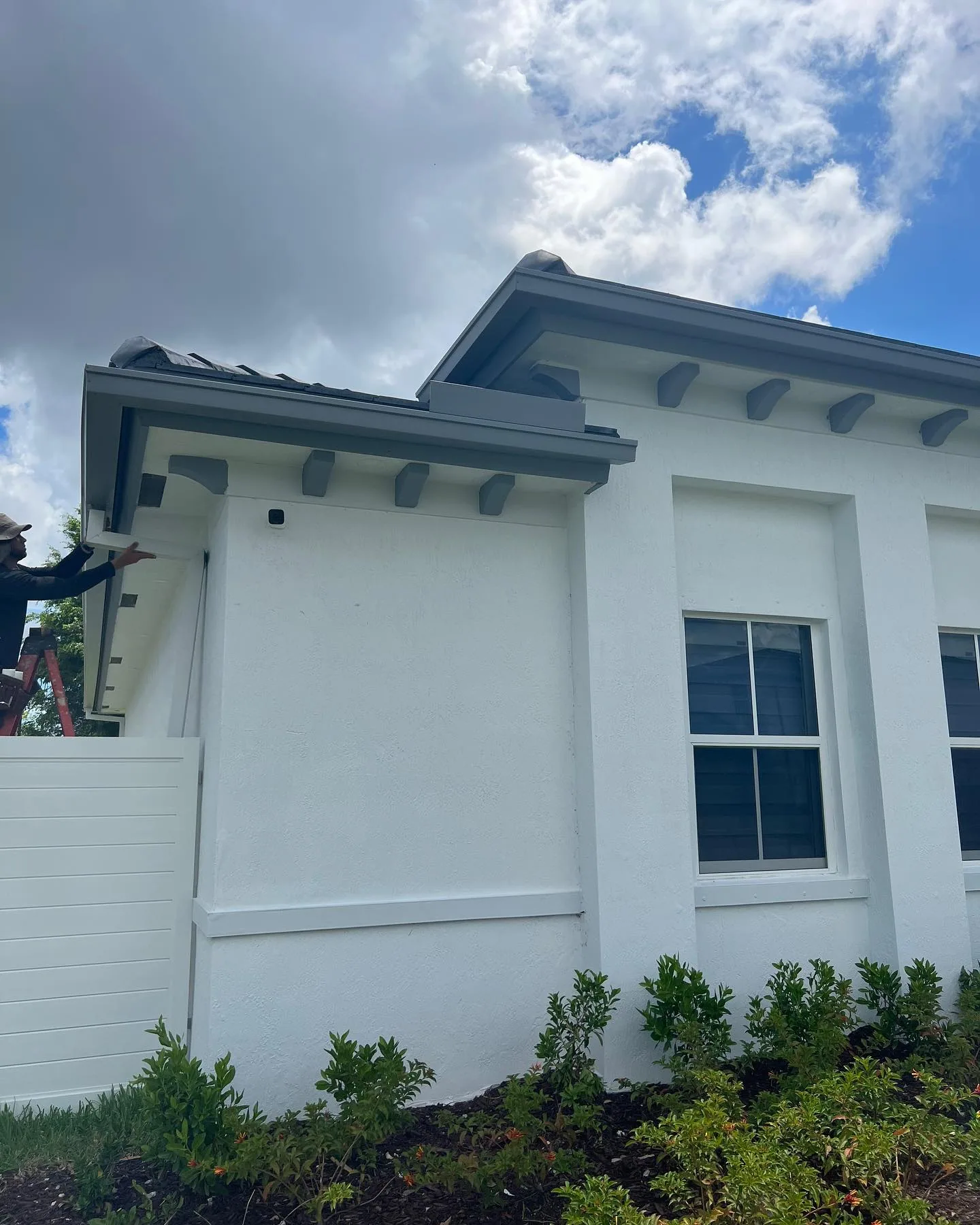
Complexity adds labor in ways that are easy to miss. Every inside and outside corner is a custom miter. Every roof valley dumps concentrated water that needs a properly sized catch. Two-story sections require more setup, taller ladders or scaffolding, and slower, safer work. A 1,800-square-foot home with a plain hip roof and a 1,800-square-foot home with five gables are not the same job, even though the square footage matches.
Pitch matters too. A steeper roof throws water faster and farther, which changes how the gutter has to be positioned and pitched to catch it. None of this is upcharging. It is the difference between a system that drains and one that overflows down your soffit and fascia every August.
Material and Gauge: Why .032 Aluminum Matters Here
Material is where Florida homeowners get quietly talked into the wrong product. Thin aluminum is cheaper. It also pits, sags, and fails faster in salt air than the slightly heavier gauge this coast demands.
For homes anywhere near the coast, we treat .032-gauge aluminum as the minimum. The thinner .027 you will see on a budget quote saves a little up front and costs you in salt-air pitting and dents from the first season of wind-driven debris. The price gap between gauges is small. The durability gap is not.
Your material choices generally break down like this:
- .027 aluminum — cheapest, thinnest, least suited to coastal salt exposure and impact. We do not recommend it near the water.
- .032 aluminum — the practical standard for Southwest Florida durability; better resistance to denting, sagging, and corrosion.
- Copper or heavier specialty metals — beautiful and long-lived, but a significant cost step up, usually chosen for architecture rather than function.
This is also where seamless gutters earn their keep. Sectional gutters have joints, and every joint is a future leak point that salt air and thermal expansion work loose over time. Seamless runs are formed on-site to your exact rooflines, so the only seams are at corners and downspout outlets. Fewer seams means fewer failures, which is why we form seamless as our default.
Downspouts and Drainage Volume
People price the gutter and forget the downspout. In a region that gets torrential, sustained rain, the downspout is what saves you. Undersized drainage is the single most common reason a system overflows even when the gutter itself is fine.
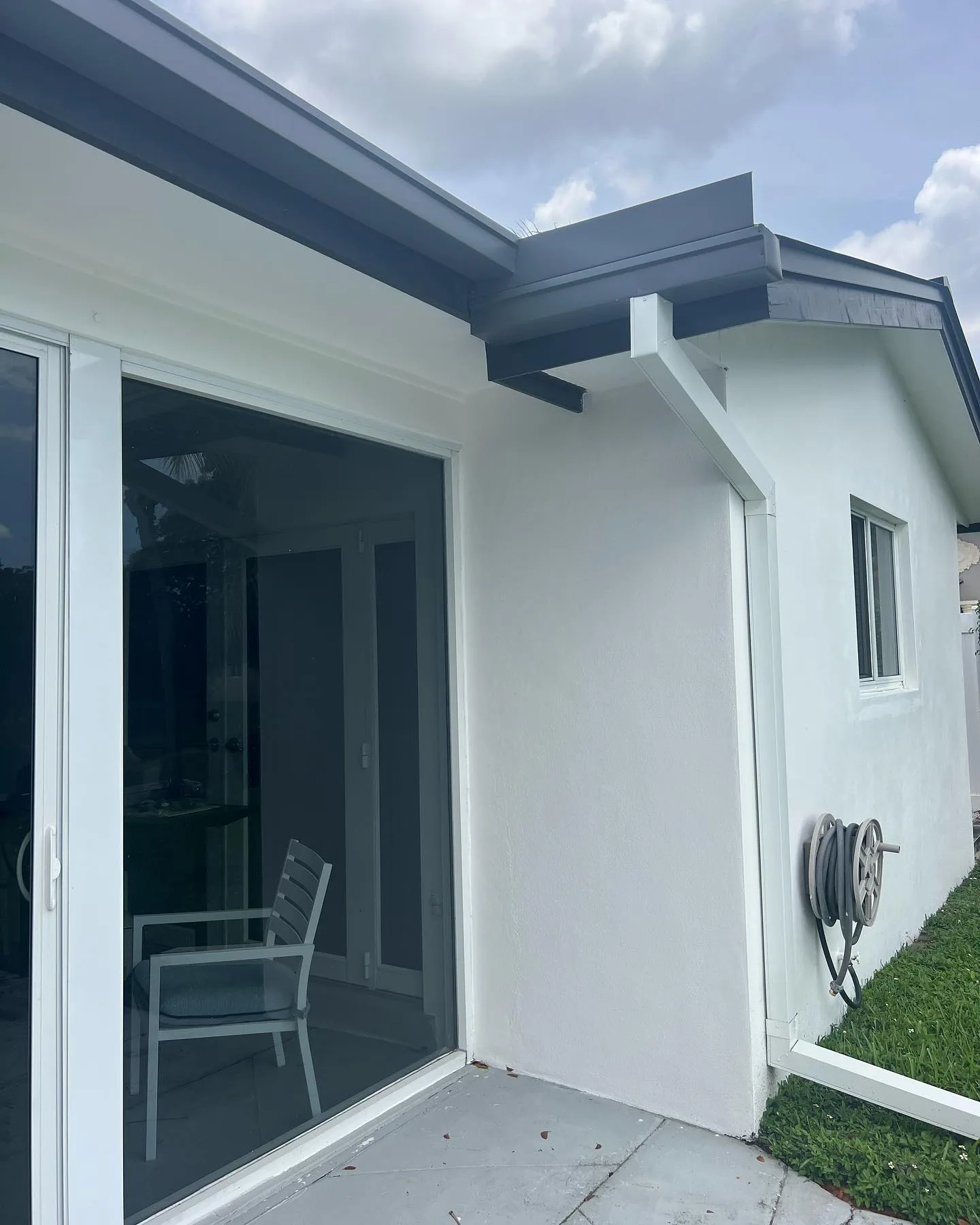
Standard 3"x3" downspouts move less water than most SW Florida roofs produce in a hard summer storm. We push toward oversized 3"x4" downspouts, or doubled-up runs, so the volume has somewhere to go before it backs up and spills over the front lip. That choice adds material and outlets to the quote. It also keeps water off your foundation and out of your landscaping during the downpours that define our wet season.
Things that change your downspout cost:
- Number of drops needed to handle roof area and valley concentration
- 3"x4" oversized versus standard 3"x3" sizing
- Run length down two-story walls and around obstacles
- Where water discharges, and whether it needs to be carried away from the slab
If you want to add character while you are at it, decorative downspout and rain chain options replace a plain spout with something that actually looks good doing its job. Rain chains are a signature option most contractors here do not bother to offer.
Fascia Condition and Hidden Repairs
Here is the line item no one quotes until the ladder goes up: the condition of the wood your gutters bolt to. In a humid climate, fascia rot hides behind paint. A board can look fine from the ground and crumble at the screw.
We inspect fascia for hidden humidity rot before mounting anything, because hanging a heavy, water-loaded gutter on soft wood guarantees a sagging, pulling failure within a season or two. If the fascia is sound, your install proceeds clean. If it is not, repair or replacement gets added, and that is real, necessary work, not a surprise charge.
The hanging system itself affects both price and survival. We use hidden-hanger systems with screws, not the old spike-and-ferrule method. Screws bite and hold through wind that pops spikes loose. In a region where named storms are an annual event, wind-rated mounting is not optional. If you are dealing with an aging system, our gutter repair work often starts with exactly these fascia and hanger problems before anything new goes up.
Add-Ons, Guards, and When You Schedule
A few choices shift the final number, and one of them is just timing.
Gutter guards add cost but earn it in a yard full of oak catkins, palm strings, pine needles, and summer pollen. Our debris load here is relentless, and a quality guard cuts how often someone has to climb up and clear the channels. It is an upgrade, not a requirement, and worth pricing against how many trees overhang your roof.
Other factors that move the quote:
- Tear-out of old gutters — removal and haul-away of a failing system adds labor
- Color and finish — standard colors versus custom or premium finishes
- Access difficulty — tight lots, screen enclosures, and tall walls slow the work
- Guards and rain chains — optional protection and aesthetic add-ons
Timing is the lever most people ignore. The smart move is to install in the dry season, November through May, and to book before hurricane season starts June 1. Schedules tighten and demand spikes the moment the first storm threatens. Planning your gutter installation early means you get the install done on a calm-weather schedule instead of scrambling after water is already pouring off your roofline.
How CAG Solutions Can Help
Carlos and the crew quote what your home actually needs, not a stock package, and we will tell you straight where you can save and where cutting corners will cost you after the next storm. We are bilingual, owner-led, and open seven days, serving Cape Coral and across Southwest Florida. The estimate is free and there is no pressure. Carlos often does them himself.
Get a real number for your roofline. Call +1 (239) 350-9997 or reach out through our contact page to schedule your free estimate.
Need a hand with your gutters?
CAG Solutions provides free, no-pressure estimates across Cape Coral and Southwest Florida.