Soffit vs. Fascia: What's the Difference, and Which One Is Damaged?
Local seamless gutter company in Lehigh Acres, FL · Owner: Carlos Garcia
Short Answer
Fascia is the vertical board along the roof edge that the gutter is fastened to. Soffit is the horizontal panel under the eave that closes the overhang and usually vents the attic. Fascia fails from gutter leaks and overflow; soffit fails from trapped moisture, pests and storm wind pulling panels loose.
Soffit and fascia get mentioned together so often that many people assume they're the same thing. They're not. They sit inches apart at the edge of your roof, but they do different jobs, fail for different reasons and are repaired in different ways. Knowing which is which makes it much easier to understand a contractor's quote, and to spot trouble early on a Florida home.
The Quick Definitions
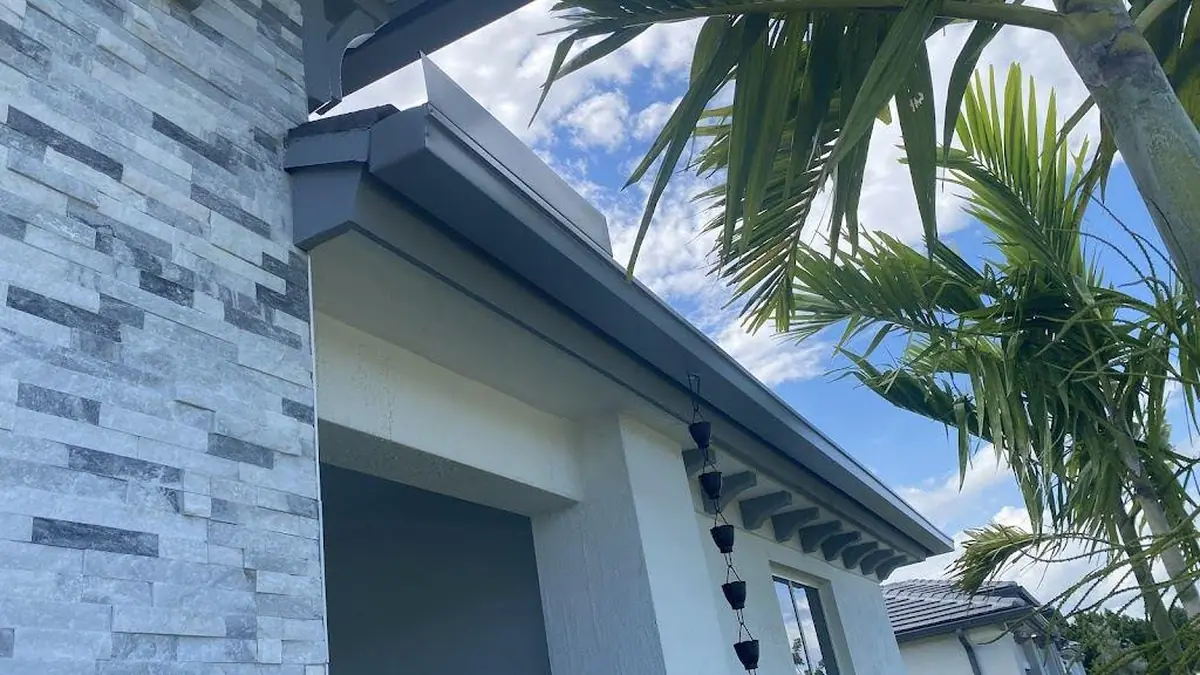
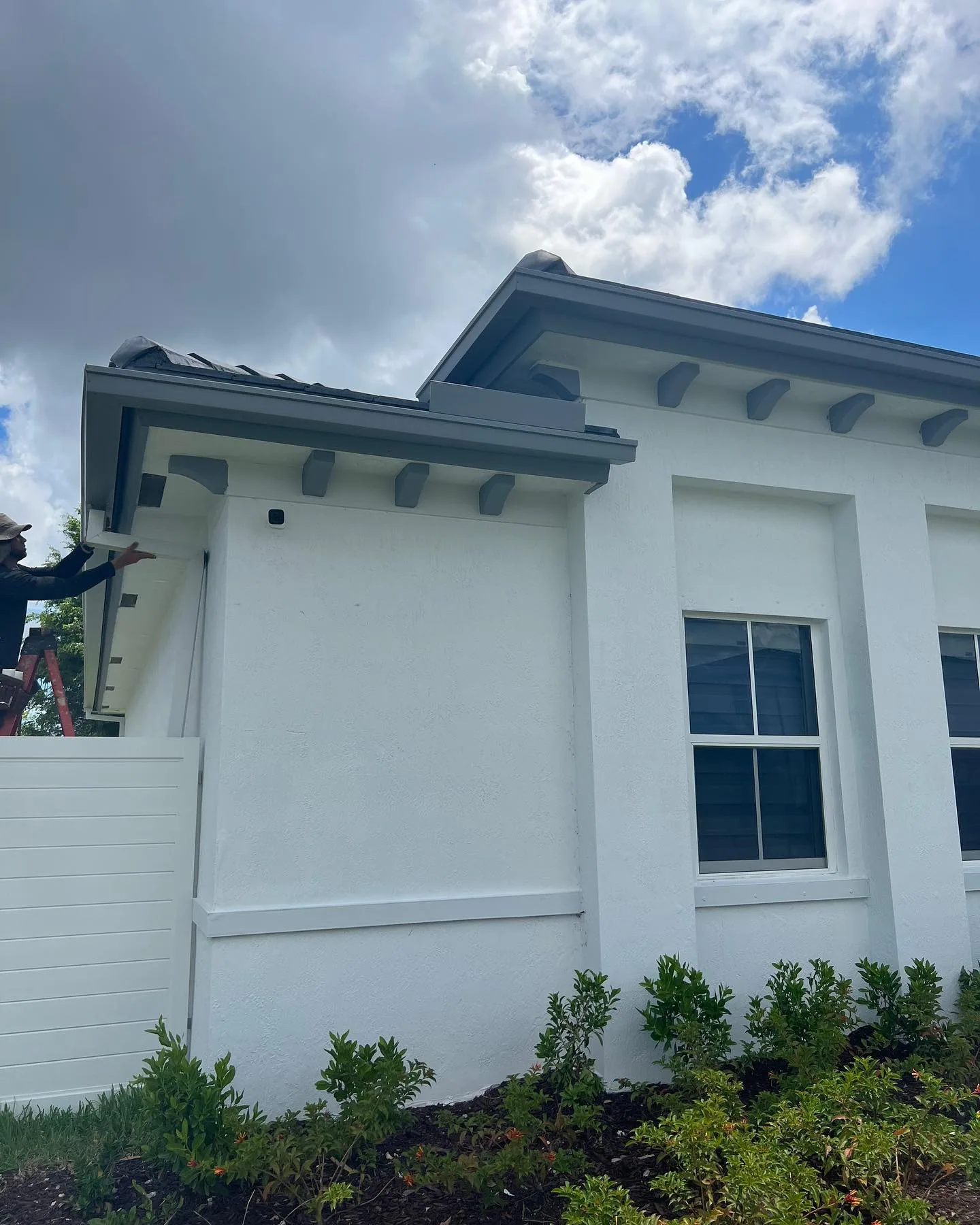
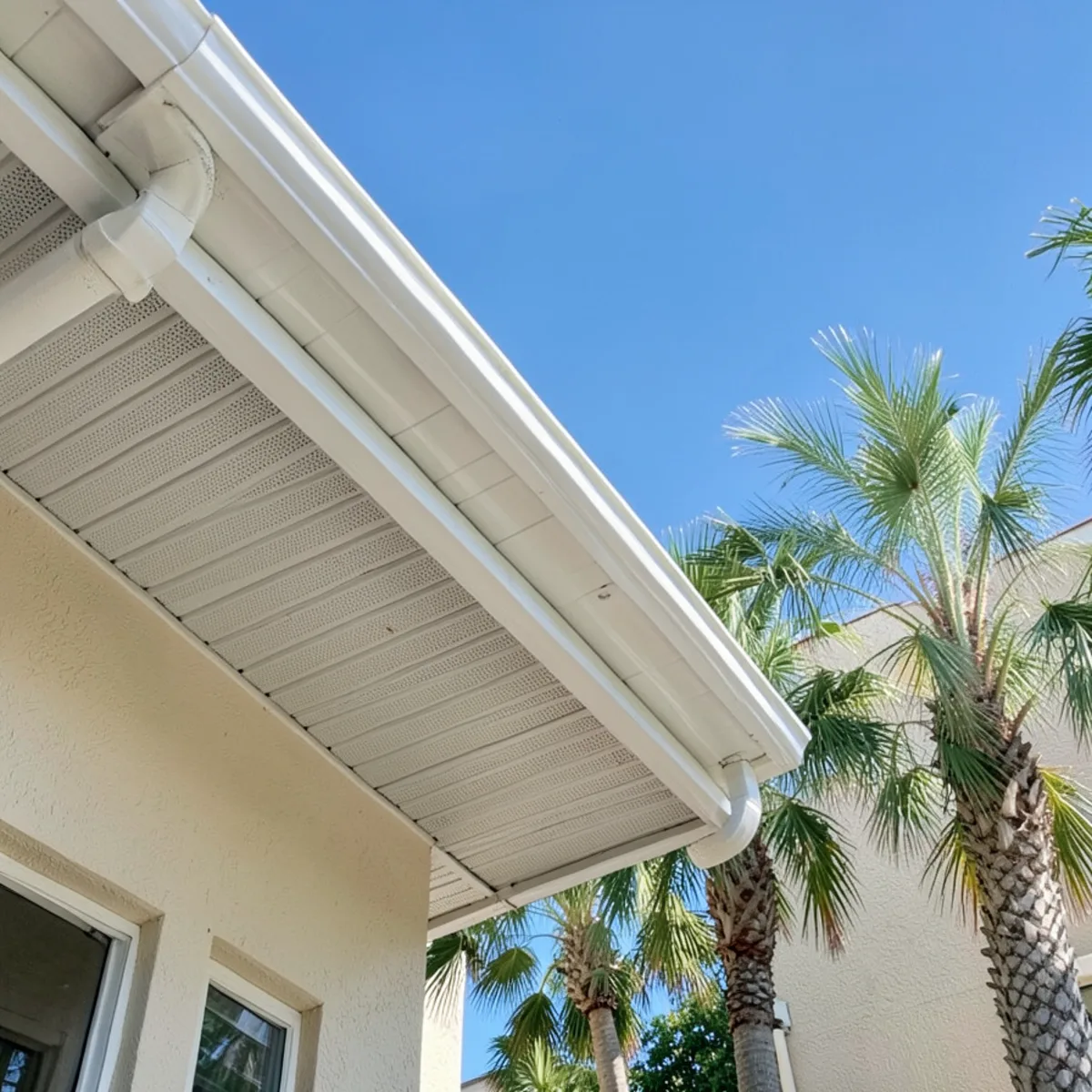
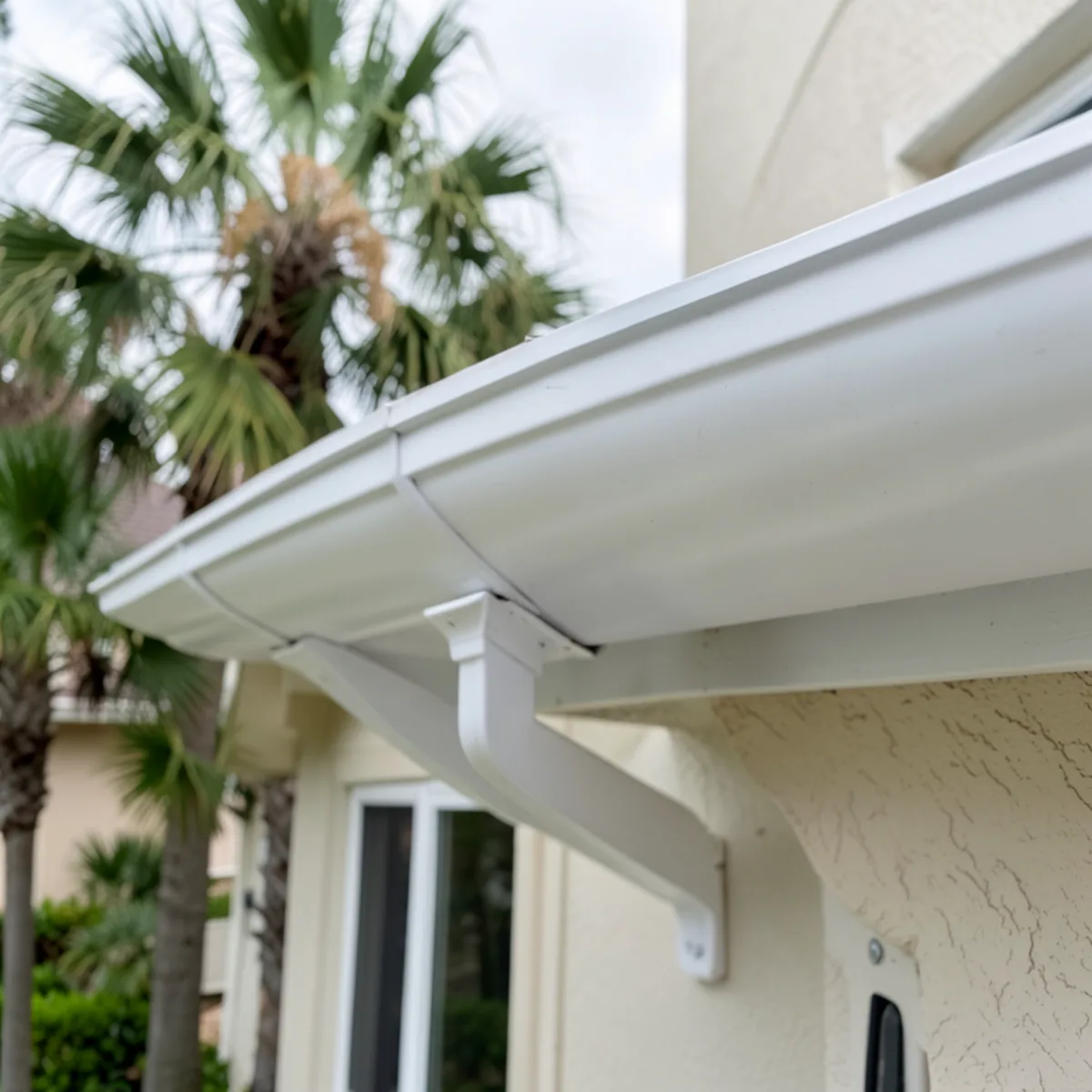
Fascia is the long, vertical board that runs along the bottom edge of the roof, capping the ends of the rafters or trusses. It's the board you see straight on from the yard, and it's what your gutters are fastened to.
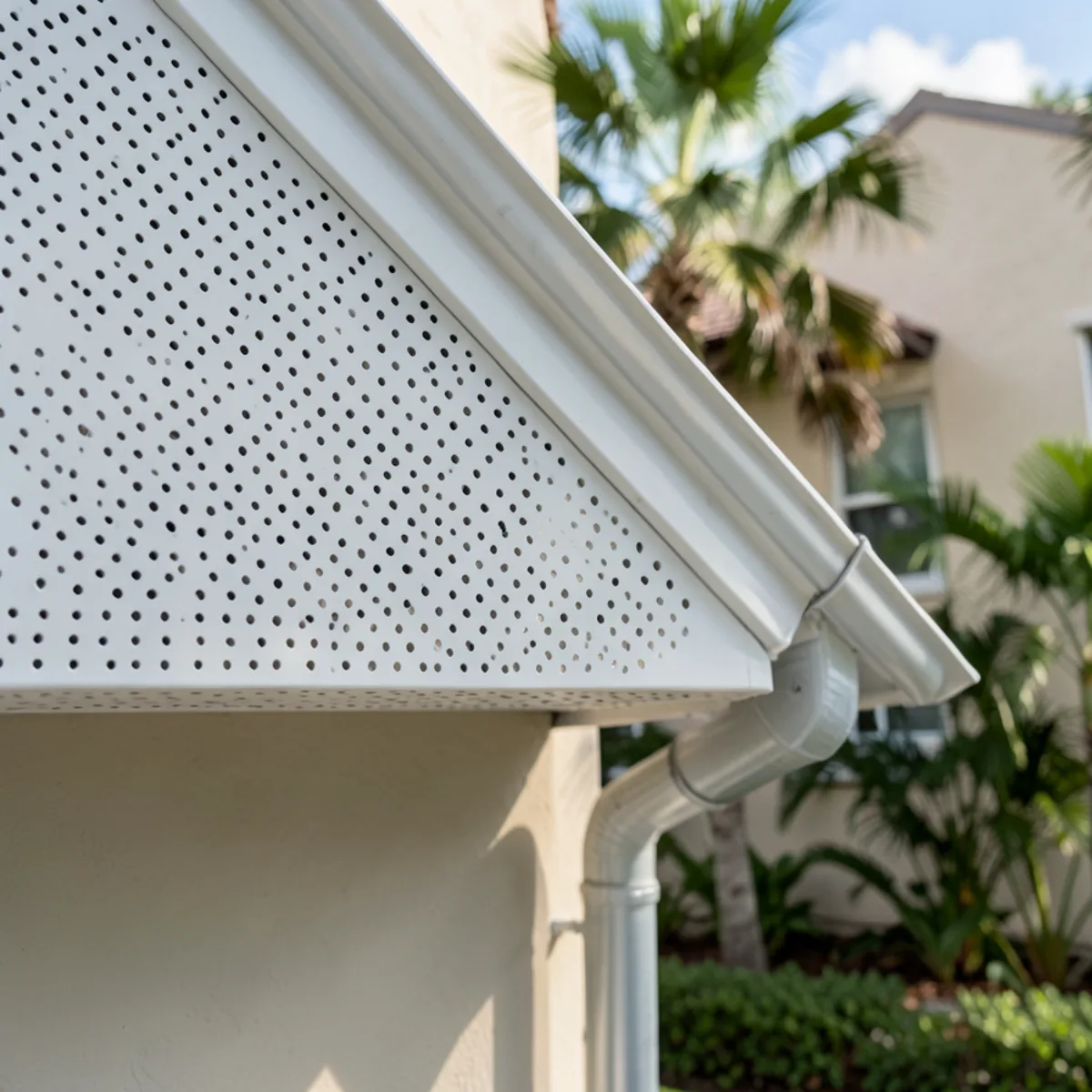
Soffit is the horizontal surface underneath the roof overhang, between the fascia and the wall. You see it when you stand under the eave and look up. On most homes it's perforated or slotted so air can flow into the attic.
An easy way to remember it: fascia faces out, soffit faces down.
What Fascia Does
Fascia closes off the ends of the roof framing so rain, birds and insects can't get into the rafter bays. It also gives the roof edge a finished, straight line. Most importantly for gutters, it's the structural backing for every hanger. When a gutter is full of water during a summer downpour, that weight is carried by the screws in the fascia.
That's why fascia condition matters so much on a gutter job. Hangers screwed into solid wood hold through storm wind. Hangers in soft, rotting wood pull out, and the gutter starts to sag, which tips water behind the gutter and rots the fascia faster.
What Soffit Does
Soffit closes the underside of the overhang, keeping wasps, rodents and birds out of the eave. On most homes it's also the attic's air intake. Vented soffit lets cooler outside air into the attic at the bottom, and that air leaves through ridge or roof vents at the top. In a Florida summer, that airflow helps carry heat and humidity out of the attic.
Soffit also matters in a hurricane. Panels that pull loose in high wind open a path for wind-driven rain into the attic, which is one reason secure fastening of the soffit is as important as the panels themselves.
Soffit vs. Fascia Side by Side
| Fascia | Soffit | |
|---|---|---|
| Orientation | Vertical, faces outward | Horizontal, faces down |
| Main job | Caps rafter ends, holds the gutter | Closes the overhang, vents the attic |
| Common materials | Wood, often wrapped in aluminum | Vented aluminum, vinyl or painted wood |
| Main threat | Water from leaking or overflowing gutters | Moisture, pests and wind uplift |
| Typical sign of trouble | Soft wood, peeling paint, sagging gutter | Stains, sagging panels, gaps, nests |
Signs of Damage on Each
Fascia
- Paint peeling or bubbling along the board, especially behind the gutter
- Wood that feels soft or crumbles when pressed with a screwdriver
- A gutter that sags or pulls away even after the hangers are tightened
- Dark streaks running down the board below gutter seams
Soffit
- Brown water stains or mildew on the panels
- Panels that sag, bow or have separated from the wall or fascia
- Gaps where birds, wasps, rats or squirrels are getting in
- Vents clogged with paint or debris, leaving the attic hot and stuffy
How Gutters Affect Both
Most fascia and soffit damage we see on Southwest Florida homes traces back to the gutters. A clogged gutter overflows over the back edge and soaks the fascia. A gutter pitched the wrong way holds standing water against the board. A missing drip edge lets water run down behind the gutter. Over time that water wicks into the soffit behind it.
The fix is to deal with the cause. Replacing rotted fascia and hanging the same leaking gutter back on it just restarts the clock. When we replace fascia, we check the drip edge, the gutter pitch and the downspout capacity at the same time.
Best Materials for Florida Homes
Florida's humidity, salt air and storm season are hard on painted wood. For fascia, the common approach is solid wood backing wrapped in aluminum, which keeps the structural strength while protecting the board from water. For soffit, vented aluminum is the material we favor: it doesn't rot, resists salt air and keeps attic intake open. Vinyl is also used on some homes, but it can become brittle in strong sun.
What Repairs Cost
According to HomeGuide's 2026 national benchmarks, fascia replacement runs about $5 to $12 per linear foot, and replacing fascia and soffit together runs about $9 to $34 per linear foot, depending on materials and access. These are national ranges, not CAG prices. A short section of rotted fascia behind one gutter run is a small job; a full roof edge on a two-story home is a much larger one.
Repair a Section or Replace the Roof Edge?
If rot is limited to a few feet near a leaking corner, replacing that section and fixing the leak is usually enough. If the fascia is soft along most of a side, the soffit is stained throughout, or the home is getting new gutters anyway, replacing the whole roof edge at once usually makes more sense. The gutter has to come off either way, and doing it all together means one set of matching materials and one visit.
How to Check Your Soffit and Fascia Yourself
You can do a useful check from the ground and a short step ladder. Walk the house on a dry morning and look up at each eave. Paint that's flaking only behind the gutter, dark streaks under corners, and panels that sit lower than their neighbors are the first clues. Then, where you can reach safely, press the fascia with a screwdriver just below the gutter. Firm wood is fine; wood that gives or crumbles needs attention.
Look closely at the soffit vents too. Vents painted shut or packed with debris reduce attic airflow, and small gaps at panel ends are where wasps and rodents get in. Note what you find with photos so a contractor can quote it accurately.
Get Your Roof Edge Checked
CAG Solutions repairs and replaces fascia and soffit along with gutters across Lee and Charlotte counties, including Iona, Cape Coral and Fort Myers. Call (239) 350-9997 or request a free estimate, and see our soffit and fascia repair service for details.
From the Crew: What We See on Real Jobs
Homeowners usually call us about one and find out the other is involved. A sagging gutter leads to soft fascia, and water that soaked the fascia has often stained or warped the soffit right behind it.
When we replace both, we favor vented aluminum soffit here. It doesn't rot, it keeps the attic breathing, and it holds up better to salt air than painted wood.
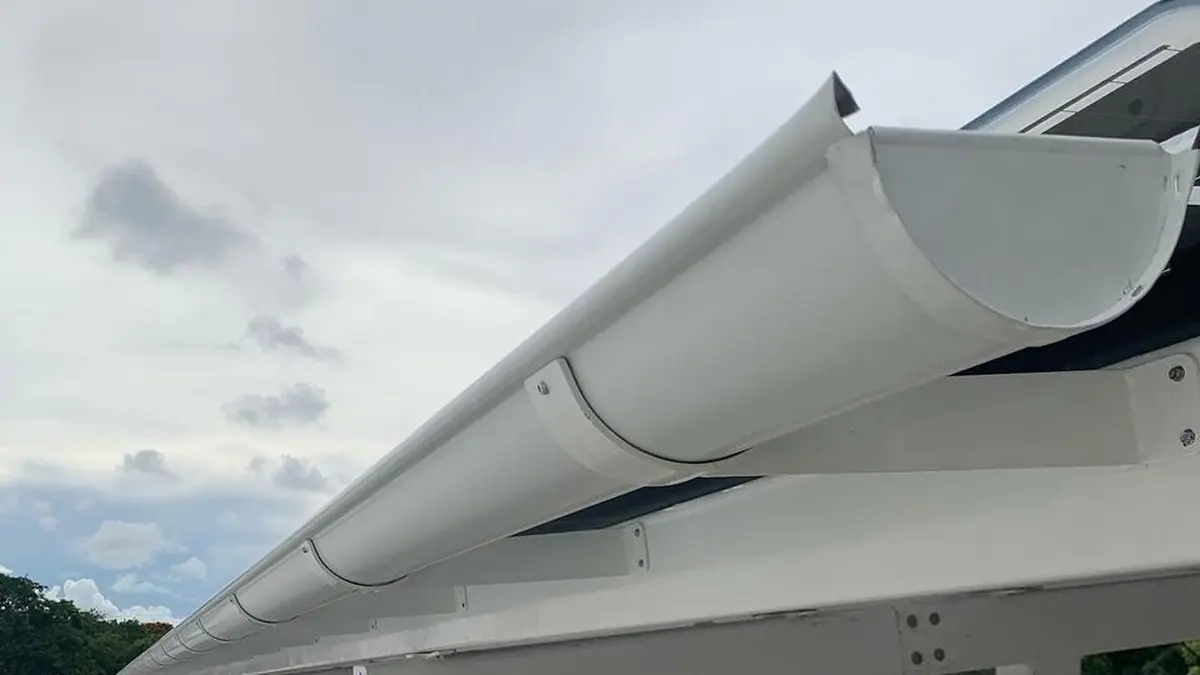
Photos that relate to this guide.
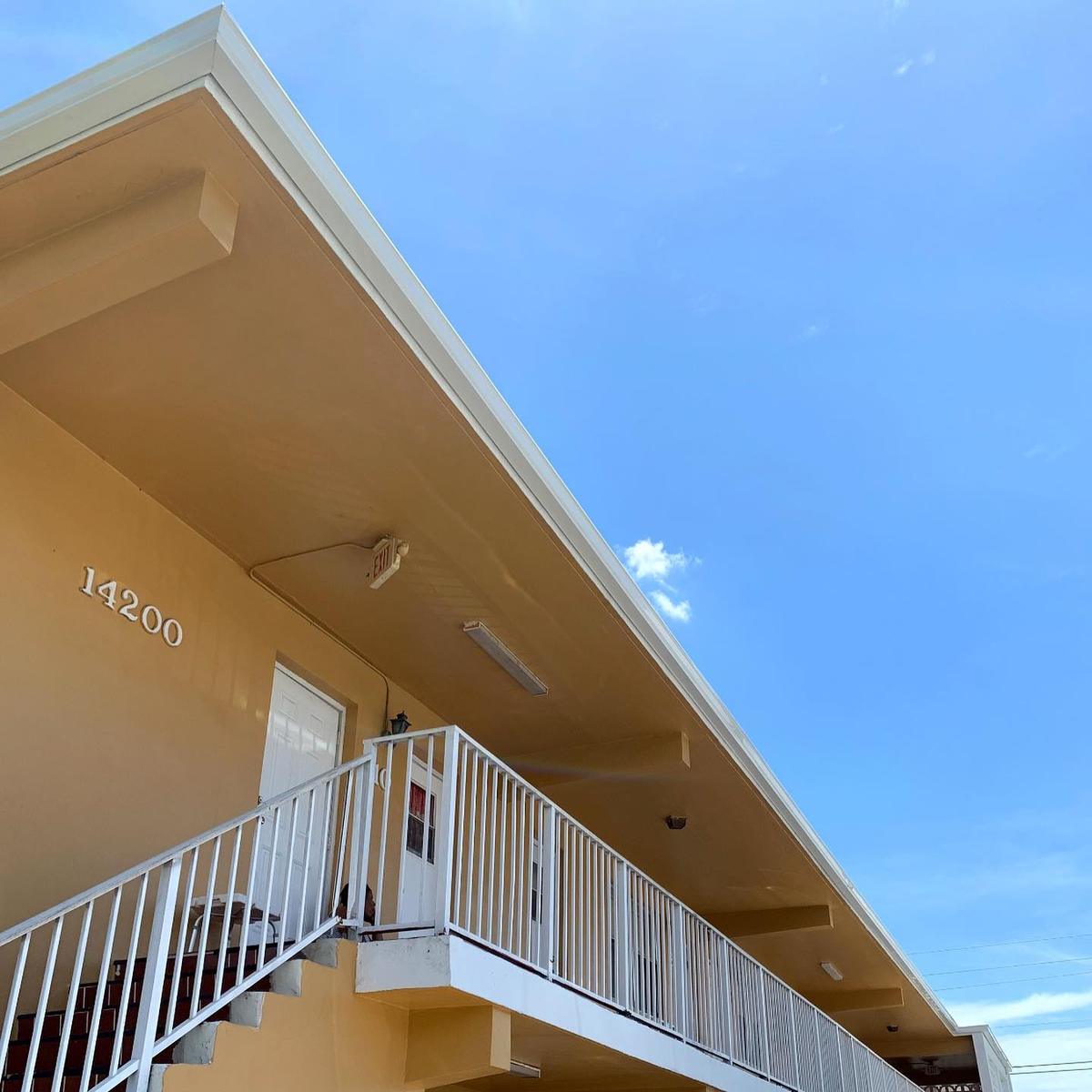
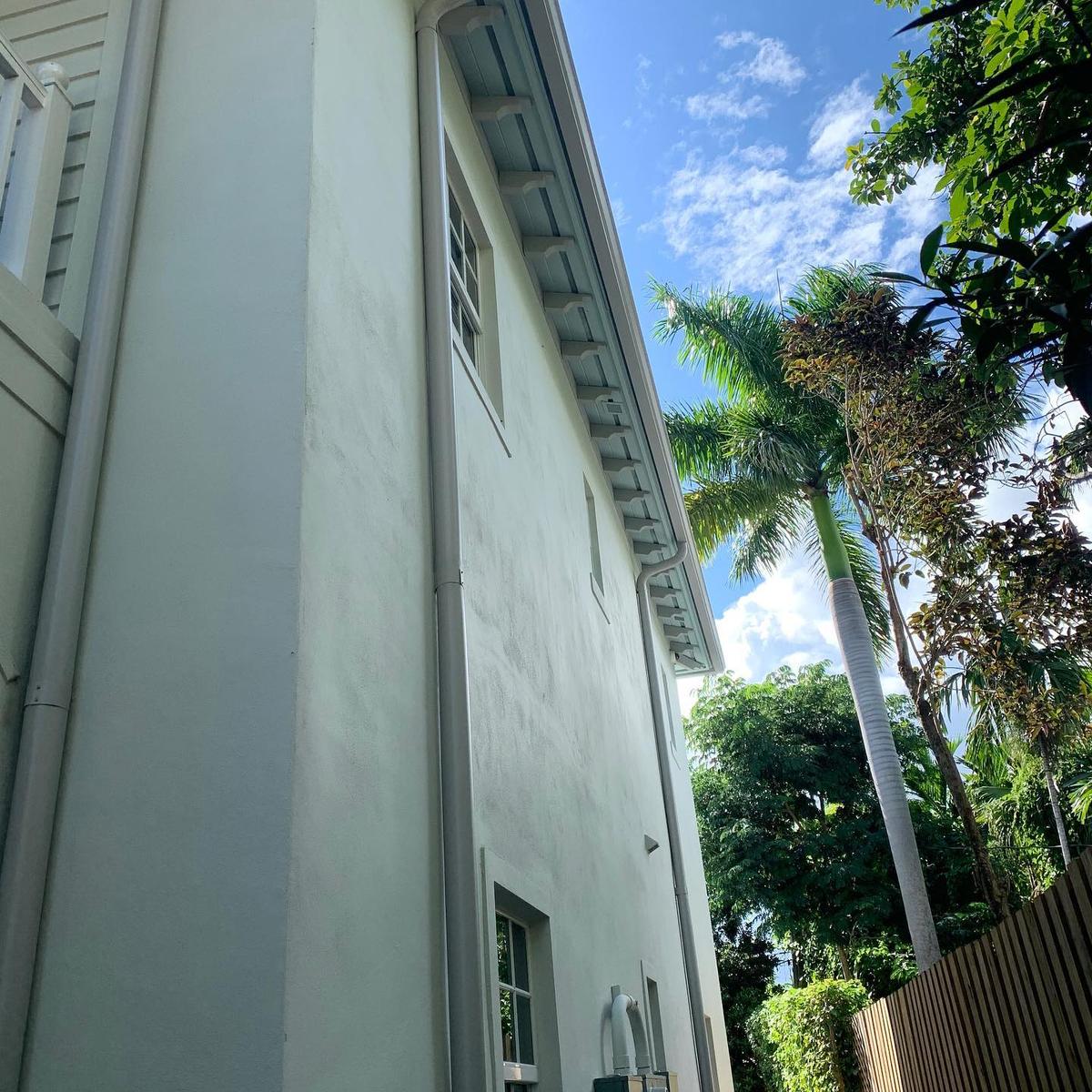
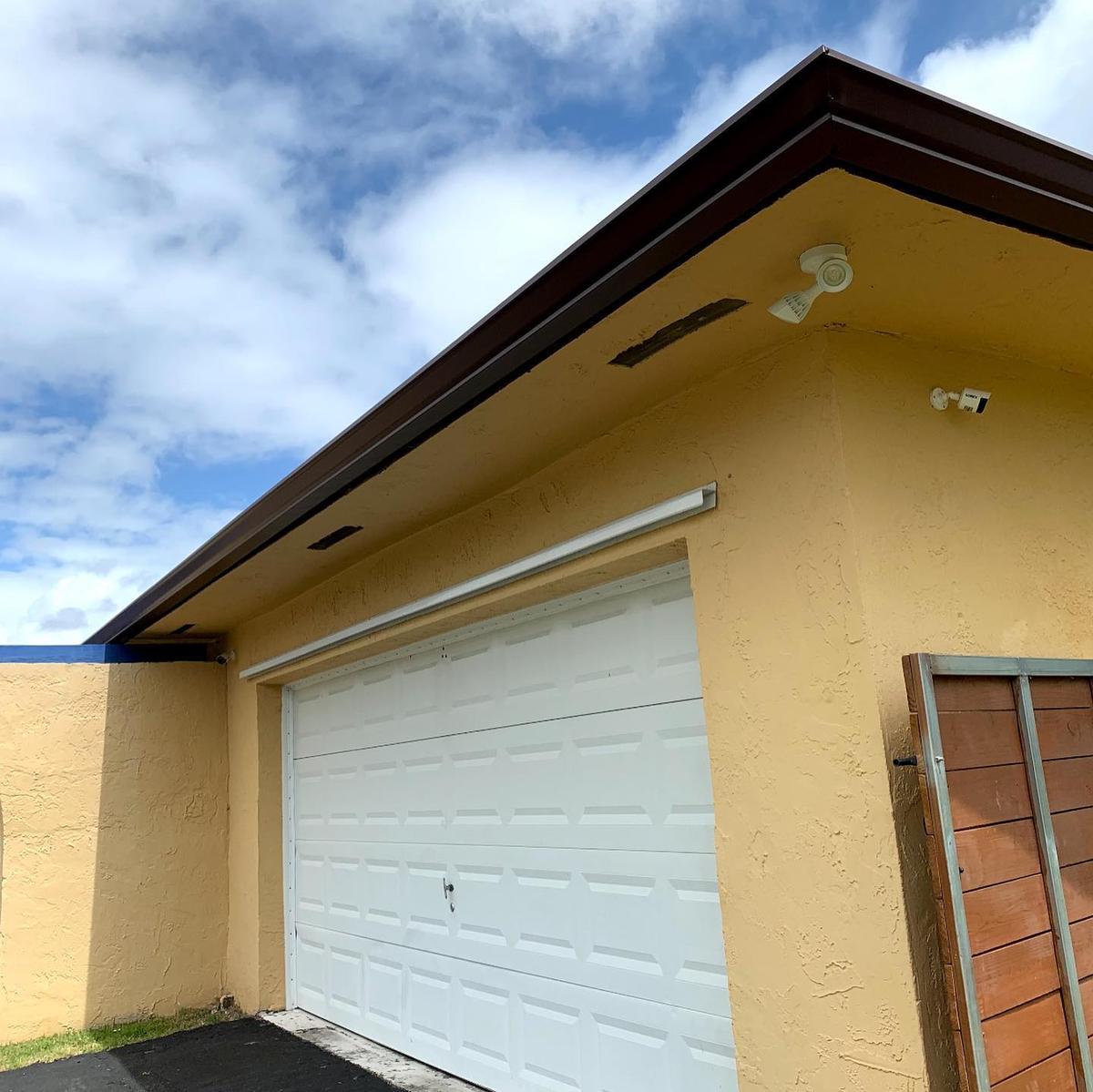
Illustrations of the conditions this guide describes.
Need a hand with your gutters?
CAG Solutions provides free, no-pressure estimates across Cape Coral and Southwest Florida.