Sagging Gutters: Causes, Warning Signs & How to Fix Them
Local seamless gutter company in Lehigh Acres, FL · Owner: Carlos Garcia
Short Answer
Gutters sag when fasteners loosen, hangers are spaced too far apart, debris and standing water overload the run, the fascia behind them rots, or storms bend them. The lasting fix is to replace spikes with screwed hidden hangers in sound fascia, restore the pitch, and keep the gutters clean.
A gutter that dips in the middle or tilts away from the house is more than an eyesore. Water pools in the low spot, the extra weight pulls the gutter further down, and eventually a storm tears the run off the fascia. Here's what makes gutters sag, what you can check from the ground, and how a sagging gutter gets fixed properly.
Signs Your Gutters Are Sagging
- A visible dip or wave along the run
- Gaps between the back of the gutter and the fascia
- Water spilling over at one spot while the downspout stays dry
- Standing water in the gutter a day after rain
- Spikes or hangers backing out of the fascia
What Causes Gutters to Sag
Failed fasteners. Older spike-and-ferrule systems are the most common culprit. The spikes loosen a little with every expansion cycle until they pull free.
Too few hangers. Hangers spaced too far apart can't support a gutter full of water and wet debris.
Weight of debris and water. A clogged gutter holding wet palm debris and standing water weighs far more than the system was designed for.
Rotted fascia. If the board behind the gutter is soft, no fastener will hold. In Florida's humidity this is common after years of overflow.
Storm damage. Wind, falling fronds, and ladders leaned against gutters all bend runs out of line.
Why a Small Sag Becomes a Big Problem
Gutters are pitched slightly toward the downspout so water keeps moving. A sag reverses that pitch, so water collects in the low point, adds weight, and breeds mosquitoes. Overflow at the sag soaks the fascia and lands at the foundation. Left alone, the sag spreads along the run.
How Sagging Gutters Get Fixed
The lasting fix addresses the cause, not just the dip:
- Clear the gutter so its true shape is visible.
- Check the fascia; soft wood is dealt with before anything is re-fastened.
- Replace spikes with hidden hangers screwed into solid wood, at proper spacing.
- Re-establish the pitch toward the downspout.
- Water-test the run.
If the gutter itself is kinked, corroded, or leaking at several seams, a section or full replacement makes more sense.
Hidden Hangers vs. Spikes
Spike-and-ferrule fastening drives a long nail through the gutter into the fascia. Each heating and cooling cycle works it a little looser, and in Florida that's every day. Hidden hangers sit inside the gutter, clip the front lip, and are screwed into the fascia, so they don't back out. Spaced at roughly every two feet (closer on 6-inch gutters or in high-wind exposure), they hold a full gutter straight through storm season.
Can You Fix a Sagging Gutter Yourself?
On a single-story home with sound fascia, adding or replacing a few hidden hangers is manageable for a handy homeowner. Stop and call a pro if the fascia is soft, the sag is on a second story, or the run has pulled several inches away from the house.
What Gutter Pitch Should Be, and Why Sags Ruin It
Gutters need a slight slope toward the downspout so water keeps moving. A common guideline is about a quarter inch of fall for every ten feet of run. A sag in the middle of a run reverses that slope on one side, so water flows backward into the low point and stays there.
Even a small dip of half an inch can hold standing water after every storm. Over time, that water adds weight, breeds mosquitoes, and corrodes the bottom of the gutter.
How to Check for Sagging From the Ground
- Stand at one end of the house and sight along the gutter line. It should look straight, with a very slight slope.
- After rain, look for water spilling at one spot in the middle of a run.
- Look behind the gutter from below for daylight between the gutter and the fascia.
- Check for spikes or screws that are visibly backing out.
Any one of these is worth a closer look before storm season.
What Waiting Costs
A small sag is usually a quick re-fastening job. Left alone, it grows: the low point fills, the weight pulls more hangers loose, water overflows onto the fascia, and the wood softens. By the time the run pulls away from the house, the repair includes fascia work and sometimes a new section of gutter. Fixing the dip early is almost always the cheapest option.
How Far Apart Gutter Hangers Should Be
Hanger spacing is the detail that decides whether a gutter stays straight under load. Many older installations used spikes every three or four feet, which isn't enough for a gutter full of wet palm debris. For hidden hangers on a standard 5-inch gutter, about two feet apart is a common spacing; on 6-inch gutters, on runs under heavy trees, and on homes exposed to strong wind, closer spacing adds margin.
Each hanger also needs to land in solid wood. A hanger screwed into a rafter tail behind the fascia, or into sound fascia board, holds; one driven into soft wood will work loose again no matter how close the spacing is.
Preventing It From Happening Again
Keep gutters clean so they never carry the weight of wet debris, especially before summer storms. Don't lean ladders on gutters. And when gutters are replaced, insist on screwed hidden hangers rather than spikes. Our gutter repair service fixes sagging runs, including gutters we didn't install. Call (239) 350-9997.
From the Crew: What We See on Real Jobs
When a homeowner tells us they've re-hung a gutter twice and it keeps dropping, the fascia is almost always the cause. Fresh screws hold for a while in soft wood, then pull out under the next load of wet debris.
We push a screwdriver tip into the board behind the sag before quoting. If it sinks in, the fix includes replacing that section of fascia, and we show the homeowner before we price it.
On spiked systems, we pull every spike along the run, not just the loose ones near the sag, because the rest are usually only a storm or two behind.
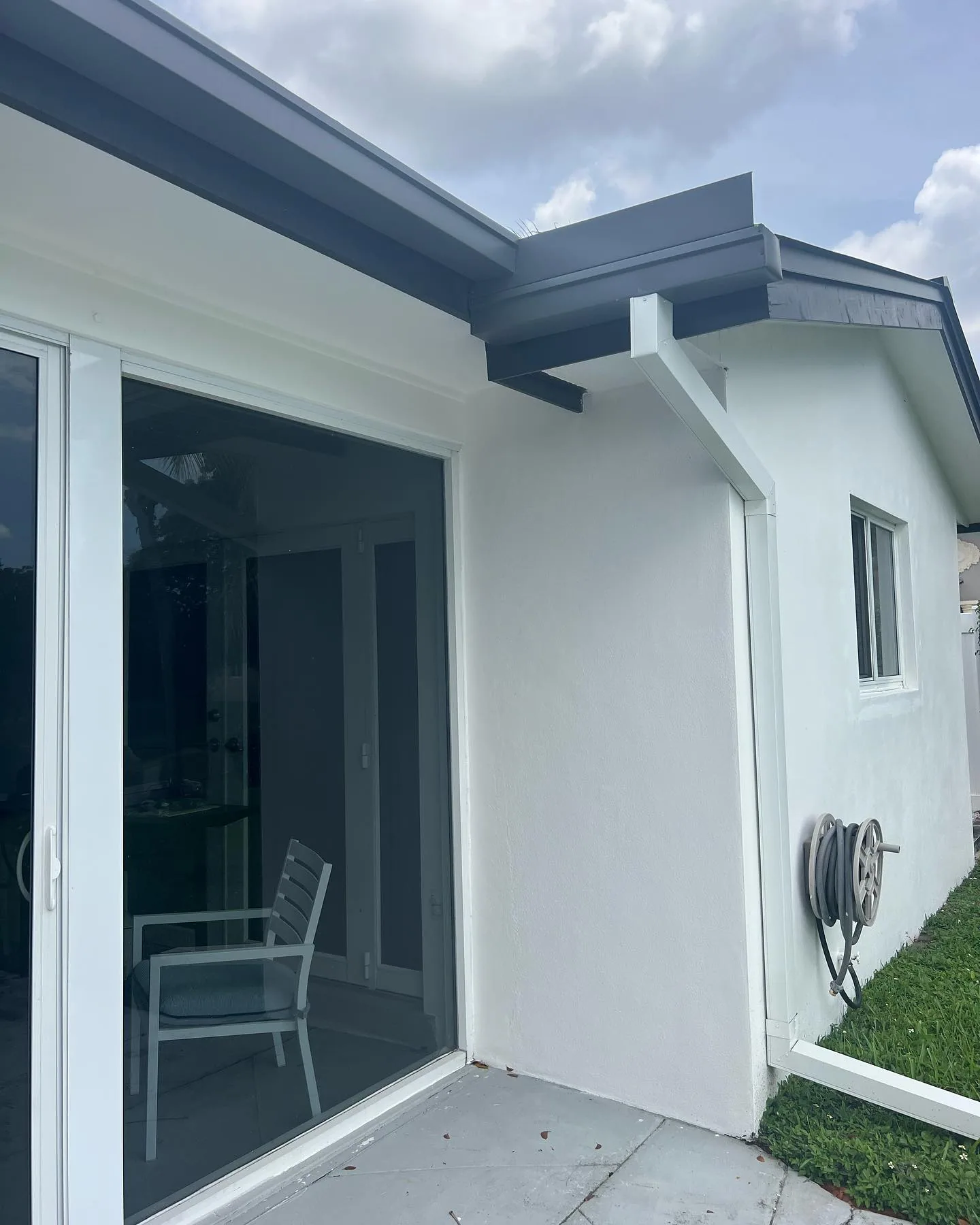
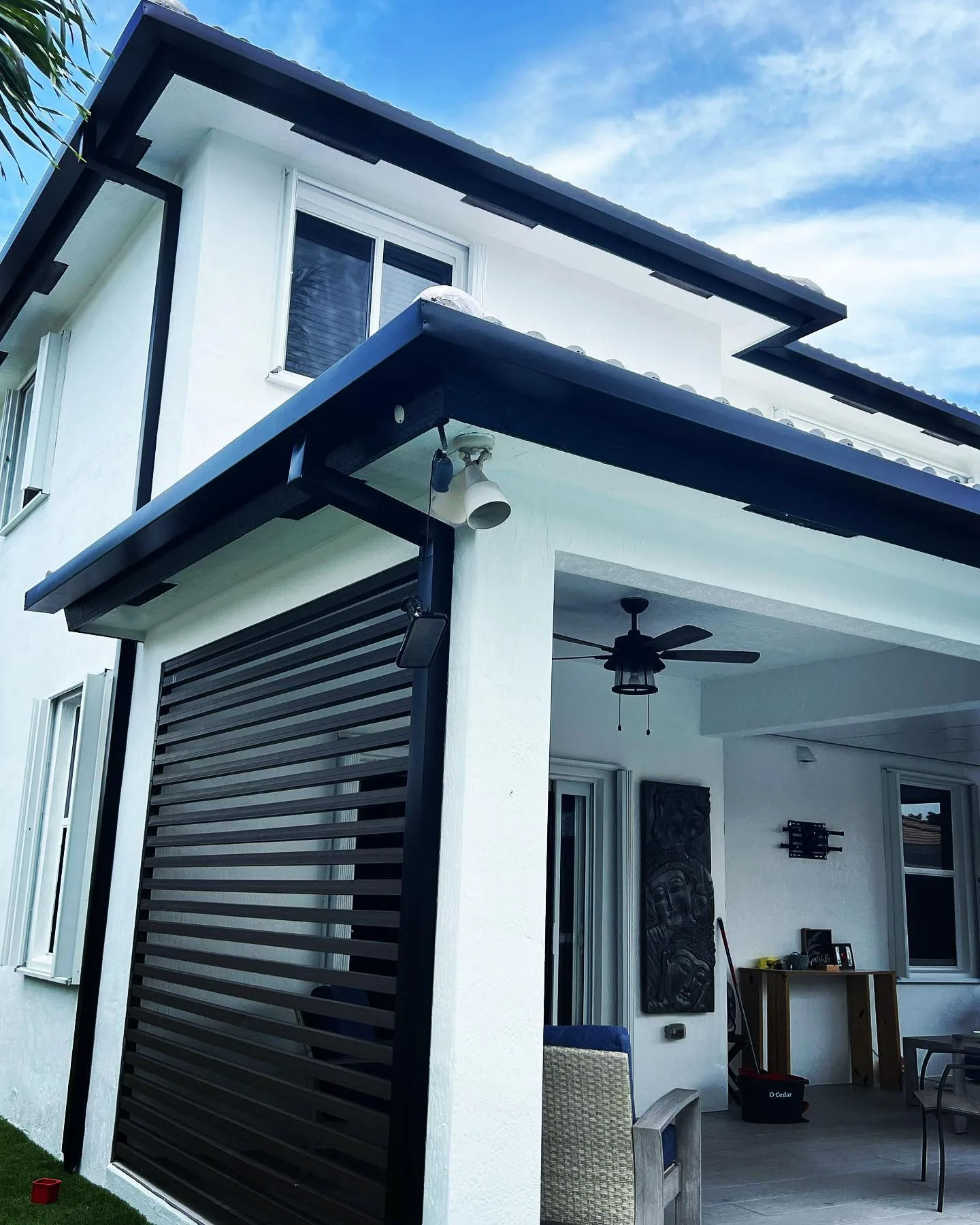
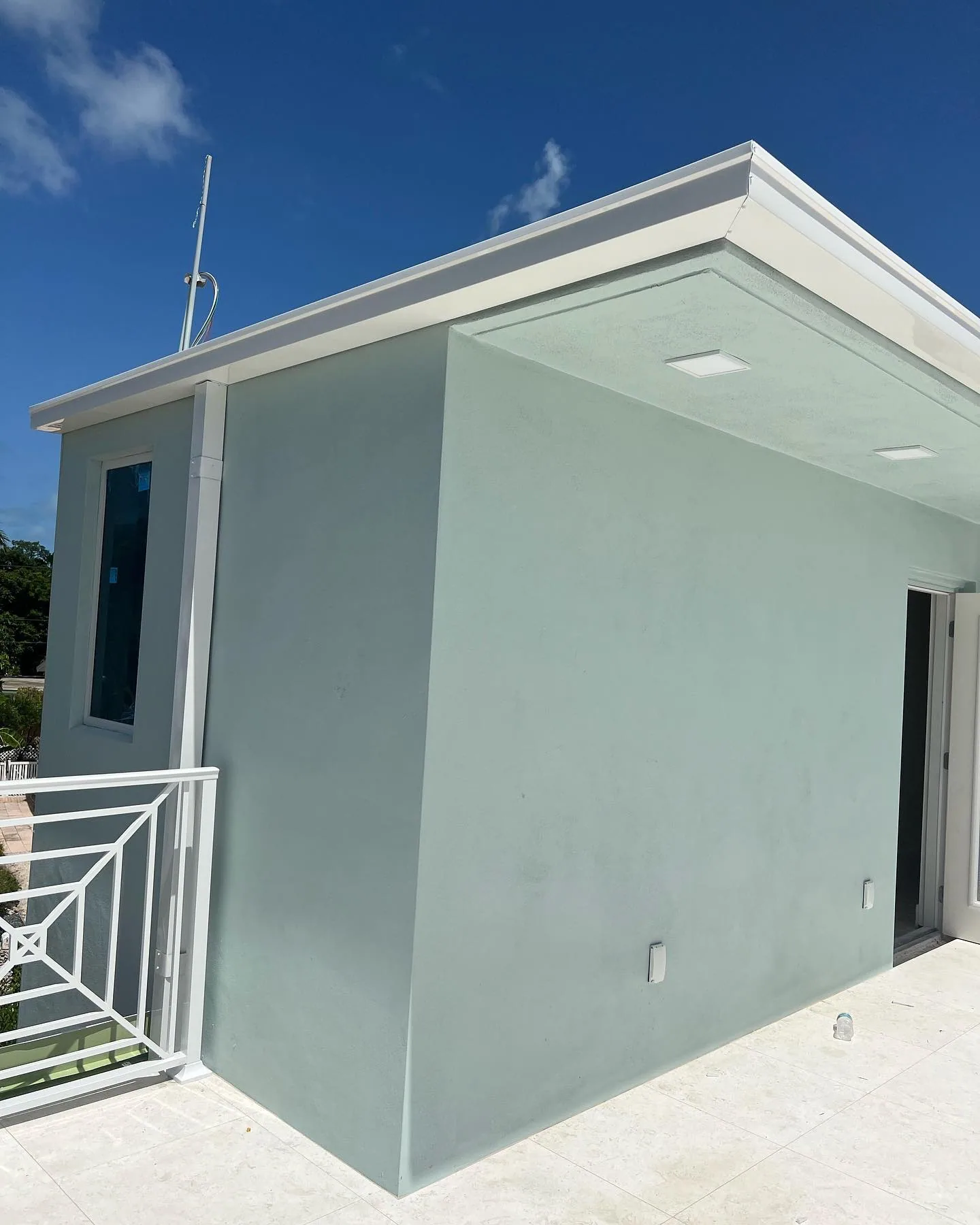
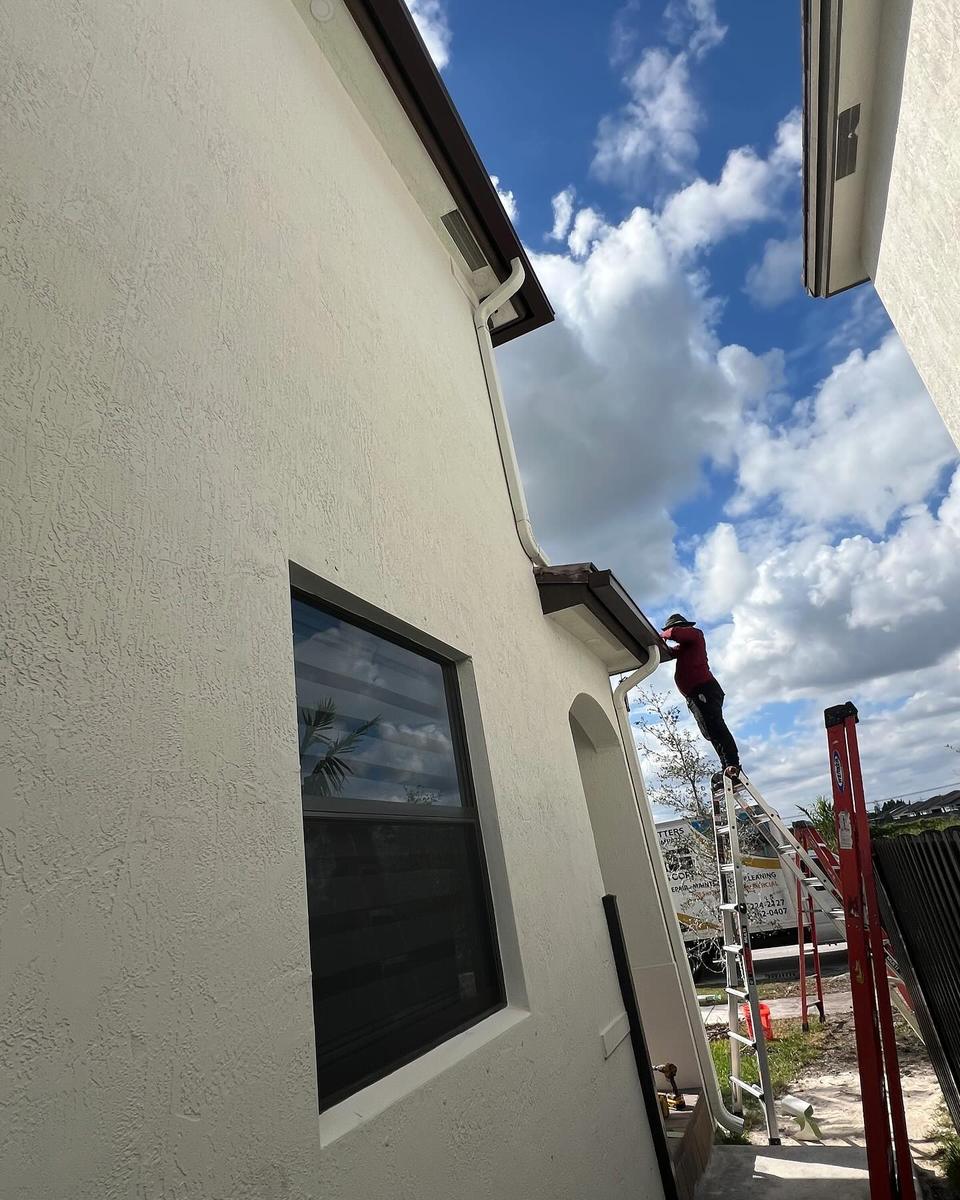
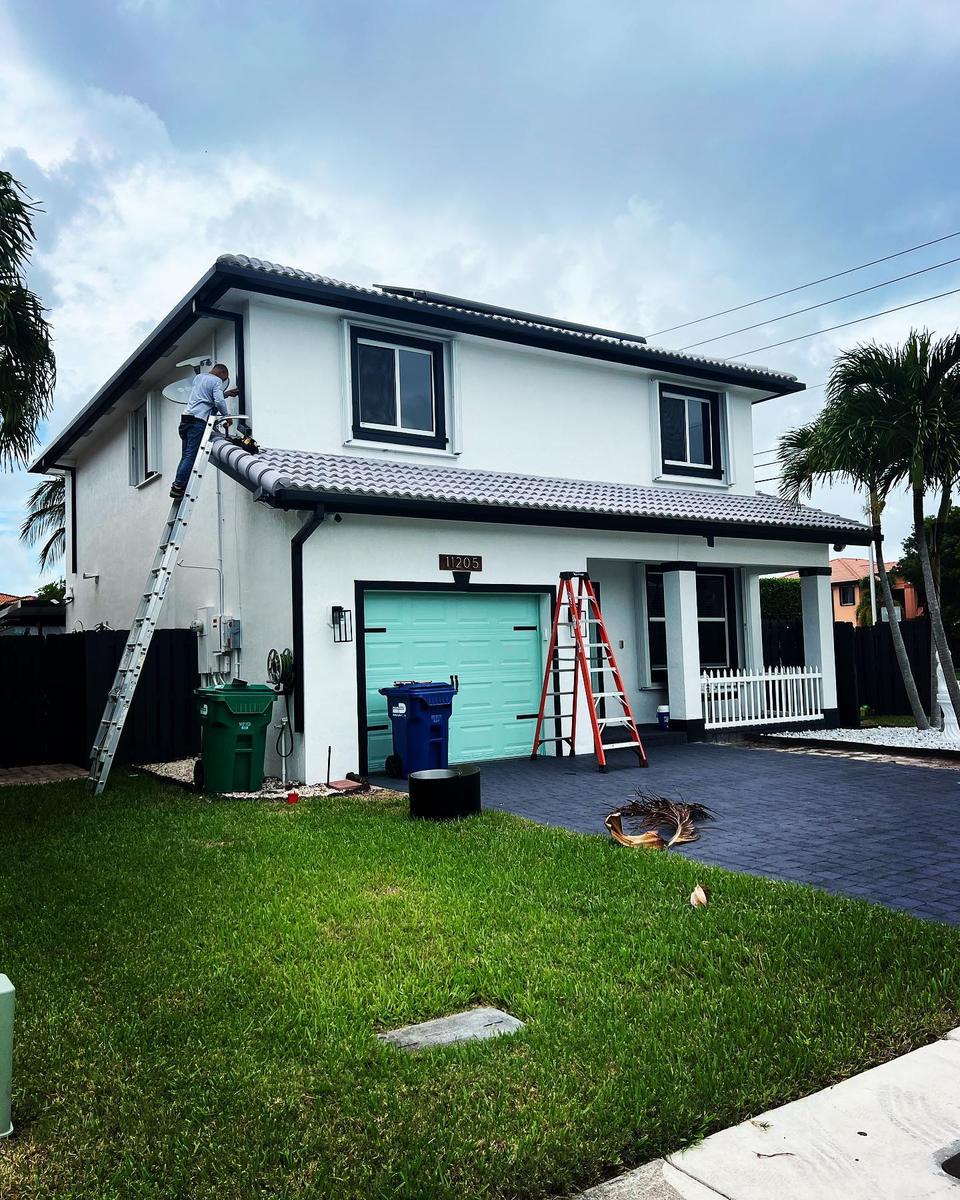
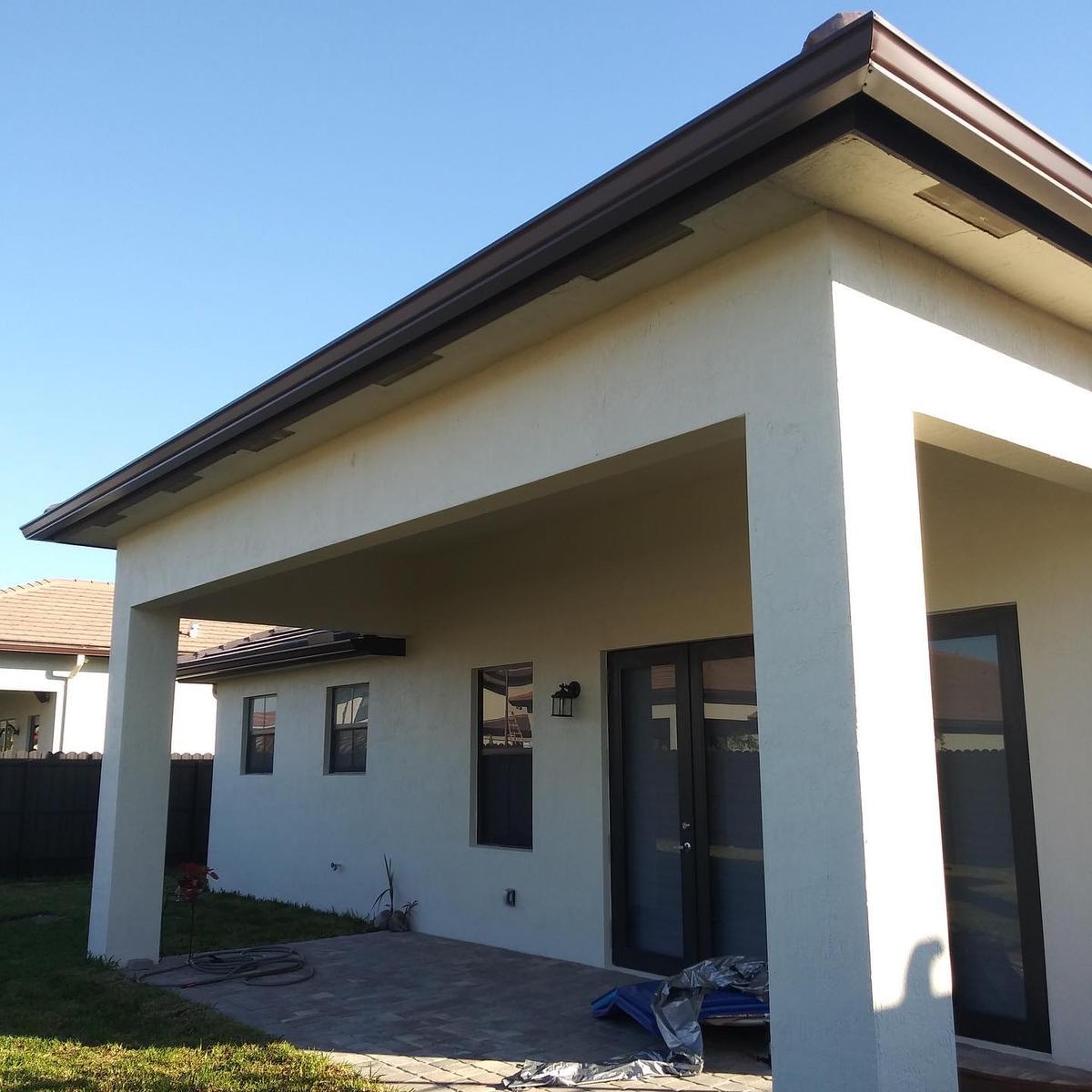
Photos that relate to this guide.
Need a hand with your gutters?
CAG Solutions provides free, no-pressure estimates across Cape Coral and Southwest Florida.