Gutter Inspection Checklist for Florida Homes: 16 Things to Check
Local seamless gutter company in Lehigh Acres, FL · Owner: Carlos Garcia
Short Answer
Inspect Florida gutters at least twice a year, before hurricane season and after the rainy season, and after any major storm. Check alignment and stains from the ground, debris, seams, hangers and outlets from a ladder, and watch the system during a heavy rain to see where water actually goes.
Gutters fail slowly and then all at once. A hanger loosens, a seam starts to weep, an outlet half-clogs, and nothing looks wrong until a summer storm sends water over the front edge and down the wall. A regular inspection catches those small problems while they're cheap. This checklist breaks the job into four parts: what to check from the ground, from a ladder, during rain and after a storm. Most of it needs no tools at all.
When to Inspect Gutters in Florida
Northern checklists are built around fall leaves and winter ice. Florida's calendar is different:
- Late spring, before June 1. Hurricane season starts June 1 and the daily storms usually begin around the same time. This is the inspection that matters most.
- After the rainy season. Late October or November, once the summer pattern breaks, to catch anything the storms loosened.
- After any named storm or strong wind. Even a near miss can pull hangers and bend downspouts.
- After heavy tree drop. Oak catkins in spring, pine needles and palm fronds year-round can fill a gutter in weeks.
From the Ground: 5 Checks
Walk the whole house with your phone camera. You'll spot most problems without leaving the yard.
- Straight lines. Sight down each run. A dip or wave means a loose or failed hanger, or soft fascia behind it.
- Gaps at the fascia. Daylight between the back of the gutter and the board means it's pulling away.
- Stains and streaks. Dark streaks on the stucco or fascia below a seam or corner point to a leak at that spot.
- Plants growing in the gutter. Weeds or seedlings mean enough debris and moisture to hold soil.
- Downspout discharge. Look for erosion, washed-out mulch or a damp patch at the slab where a downspout lets out.
From a Ladder: 6 Checks
Only go up if you're comfortable on a ladder and the ground is firm and level. On two-story homes, this part is often better left to a pro.
- Debris level. More than an inch or two of leaves, needles or shingle grit means it's time to clean.
- Standing water. Water sitting in a clean gutter means the pitch is wrong.
- Seams and corners. Look for cracked sealant, gaps or rust stains at every miter and joint.
- Hangers and fasteners. Every hanger should be tight. Near the coast, look for rust streaks around screw heads.
- Outlets. Look into each downspout opening. A partial clog at the outlet causes most overflows.
- Fascia and drip edge. Press the fascia with a screwdriver; it should be firm. Make sure roof water lands inside the gutter, not behind it.
In a Heavy Rain: 3 Checks
A dry gutter can look perfect and still fail in a Florida downpour. During a real afternoon storm, from under the eave or a window:
- Overflow points. Note any spot where water sheets over the front edge. Usually it's a clog, a flat spot or a valley dumping more water than the gutter can carry.
- Drips at seams. Water dripping from the underside of a joint shows a leak you couldn't see dry.
- Where the water goes. Follow each downspout and check that water moves away from the house, not back toward the slab or into a neighbor's yard.
After a Storm: 2 Checks
- Wind damage. Look for bent sections, downspouts pulled off their straps, and separated corners.
- Soffit and roof edge. Check that soffit panels are still in place and nothing is hanging loose, since gaps let wind-driven rain into the attic.
Photograph anything damaged before you move or repair it. Dated photos help if you file an insurance claim.
Florida-Specific Things to Watch
A few problems show up more here than in most of the country. Shingle granules collect in gutters on aging shingle roofs; a lot of grit can be a sign the roof itself is wearing. Salt corrosion appears first on fasteners, end caps and downspout elbows on canal and Gulf-side homes. Wasp and mud dauber nests often sit under the gutter lip or inside downspouts, so look before you reach. Undersized gutters become obvious only in the heaviest summer storms, and no amount of cleaning fixes them.
Keep a Simple Record
Take the same photos from the same spots each time: each corner, each downspout outlet and each long run. Comparing them season to season shows whether a sag is getting worse or a stain is spreading. It also gives a contractor a clear picture when you ask for a quote, especially if you live part of the year somewhere else.
A Year of Gutter Checks in Southwest Florida
| When | What's happening | Focus of the check |
|---|---|---|
| March–April | Oak catkins and spring leaf drop | Debris level, outlets, guards |
| May | Last dry weeks before storm season | Full checklist, hangers, seams, fascia |
| June–September | Daily afternoon storms | Watch during rain; note overflow points |
| After any named storm | Wind and heavy rain | Bent runs, loose drops, soffit panels |
| October–November | Rainy season ends | Clean, reseal leaking joints, fix loose hangers |
| December–February | Dry season, palm and pine drop | Quick ground check; schedule repairs |
The dry months are the easiest time to schedule repairs or a replacement. Contractors are busiest right after a storm, so problems found in May are better handled before June than after the first hurricane warning.
When to Call a Professional
Call for help when the inspection turns up more than a quick fix: hangers that won't tighten because the fascia is soft, leaks at several seams, gutters that overflow even when clean, storm damage, or any work on a two-story roof you're not comfortable reaching. CAG Solutions offers gutter maintenance visits that include cleaning, flushing downspouts and checking every item above, with photos of what we find. Call (239) 350-9997 or request a free estimate.
From the Crew: What We See on Real Jobs
The single most useful inspection costs nothing: stand outside with an umbrella during a real afternoon downpour. In ten minutes you'll see every overflow point, every dripping seam and every downspout that dumps against the slab.
On island and canal homes, we also look closely at fasteners and end caps. Salt air attacks those first, long before the gutter itself shows wear.
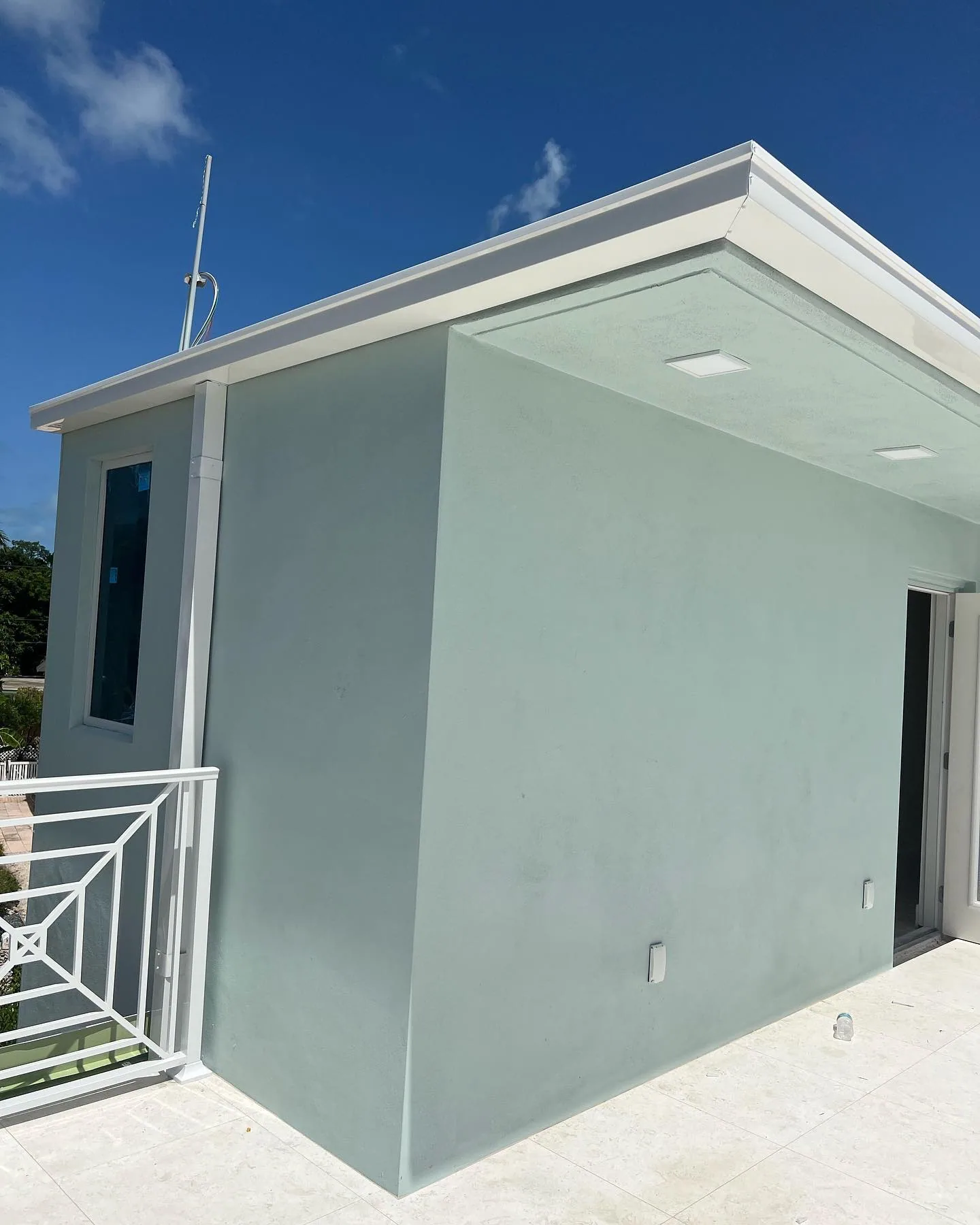
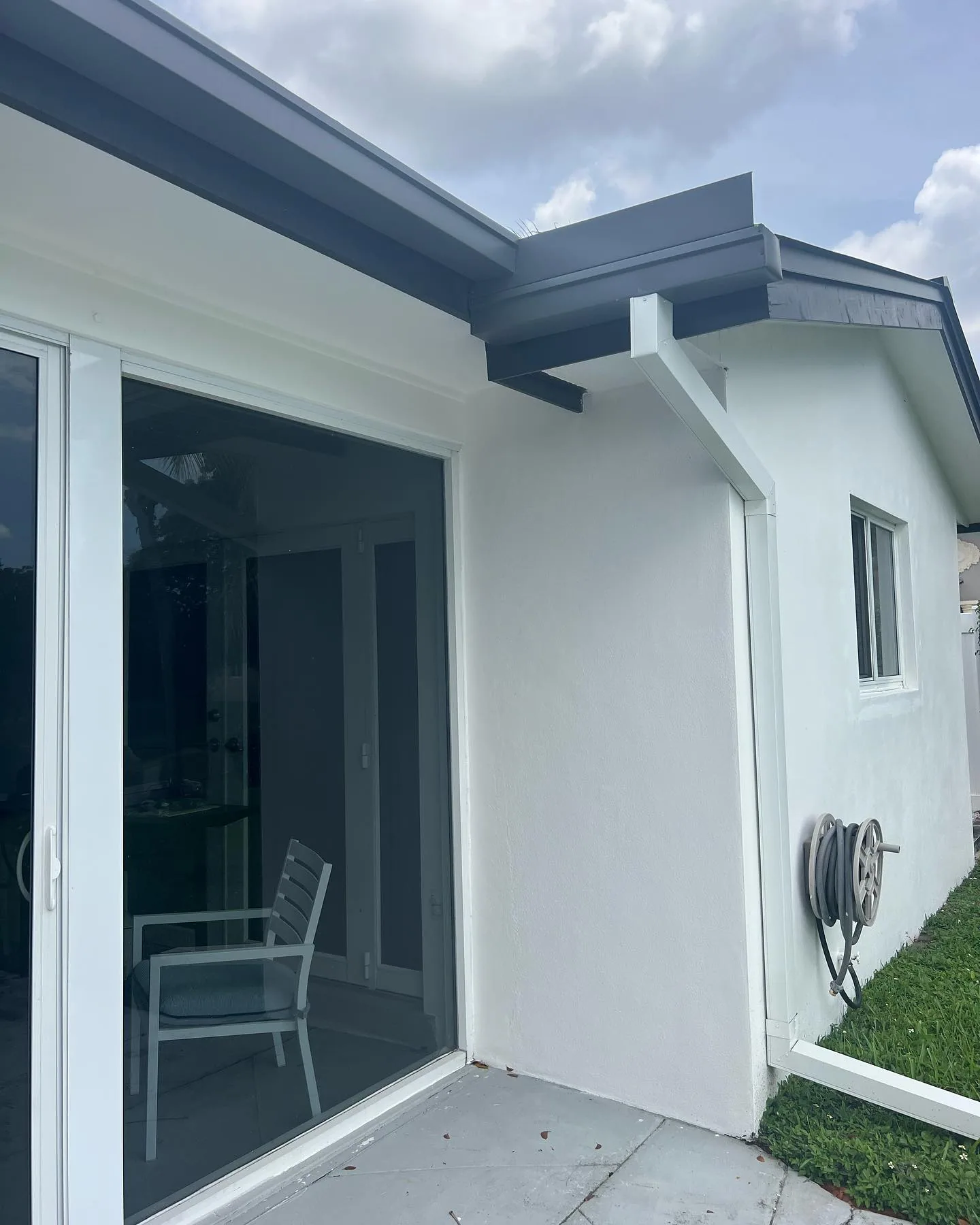
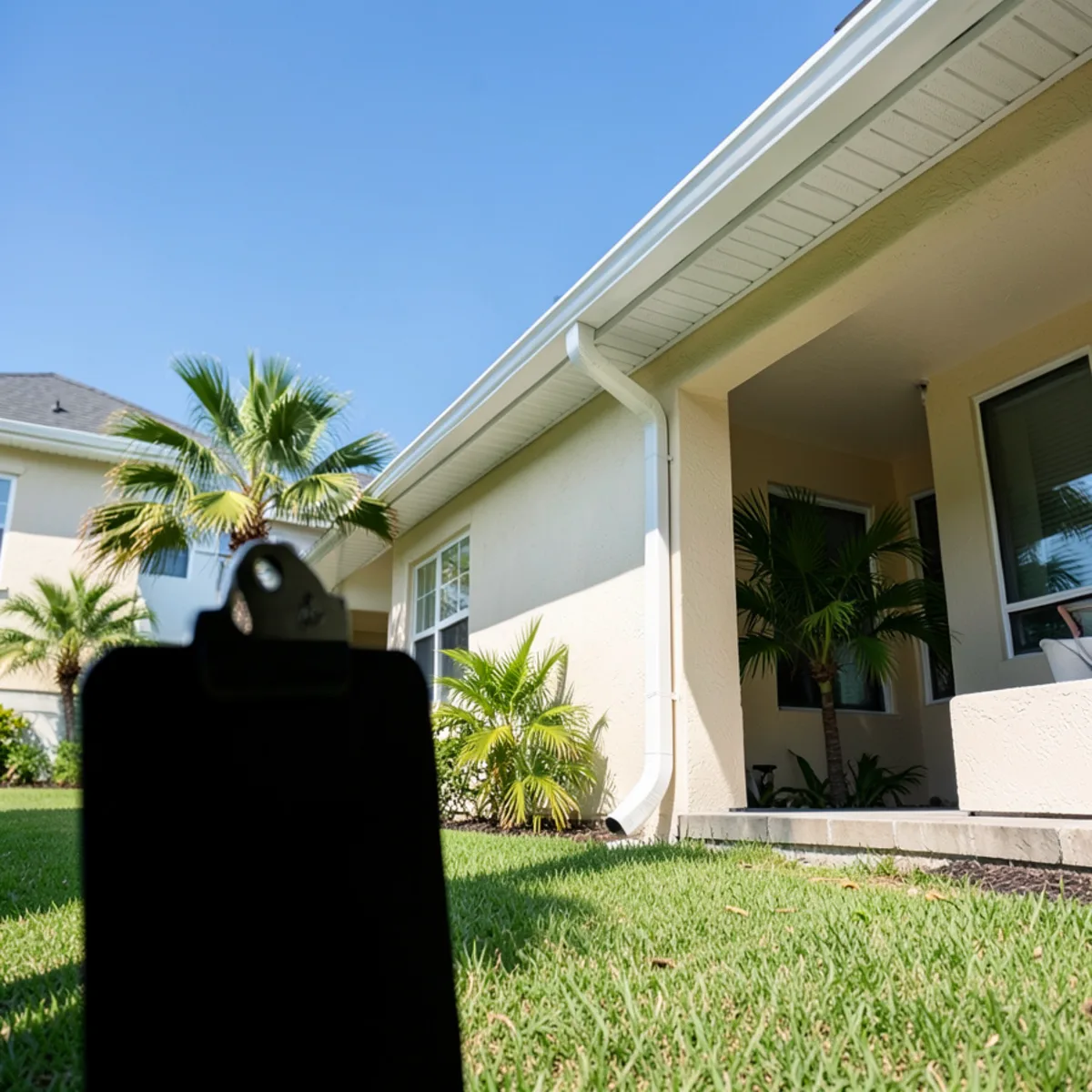
Photos that relate to this guide.
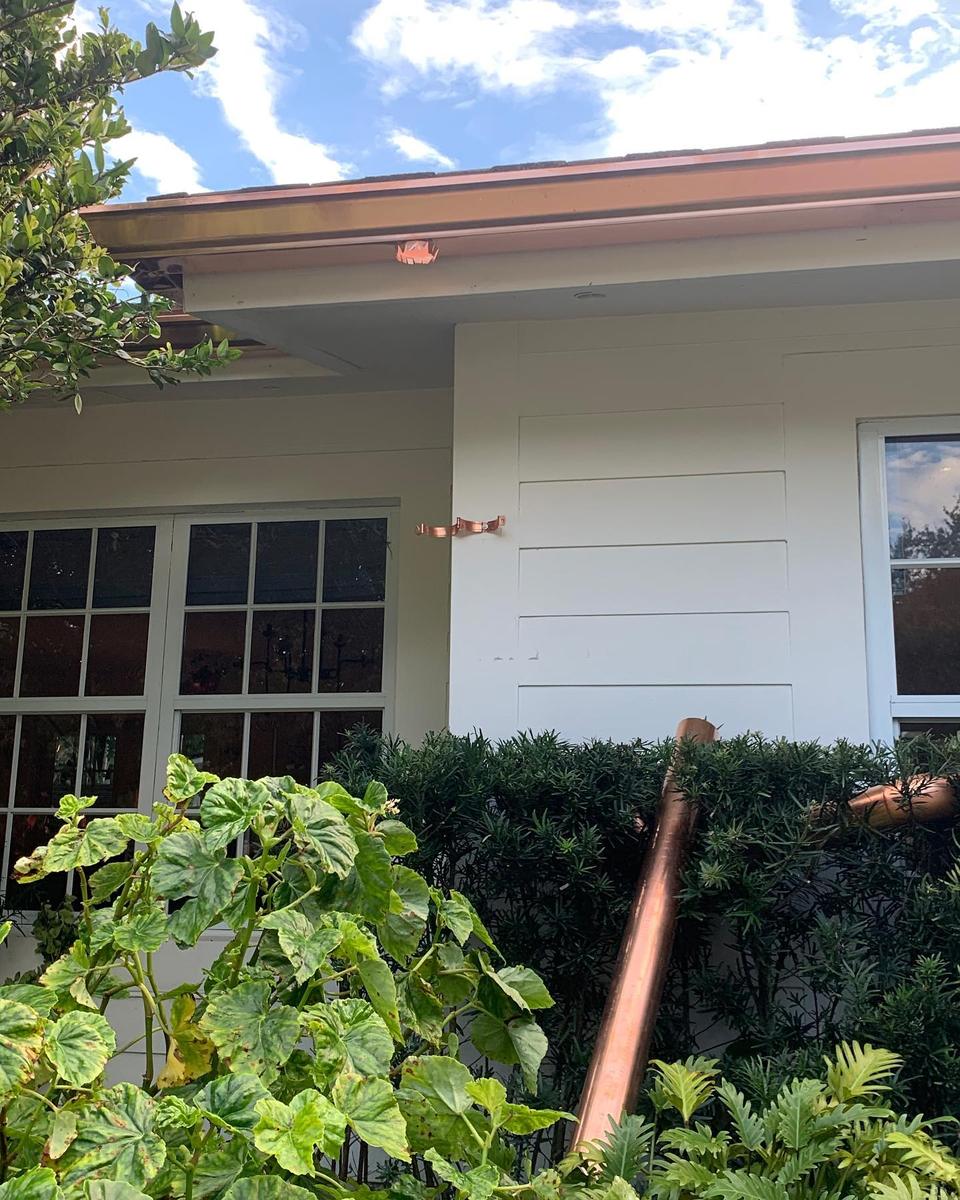
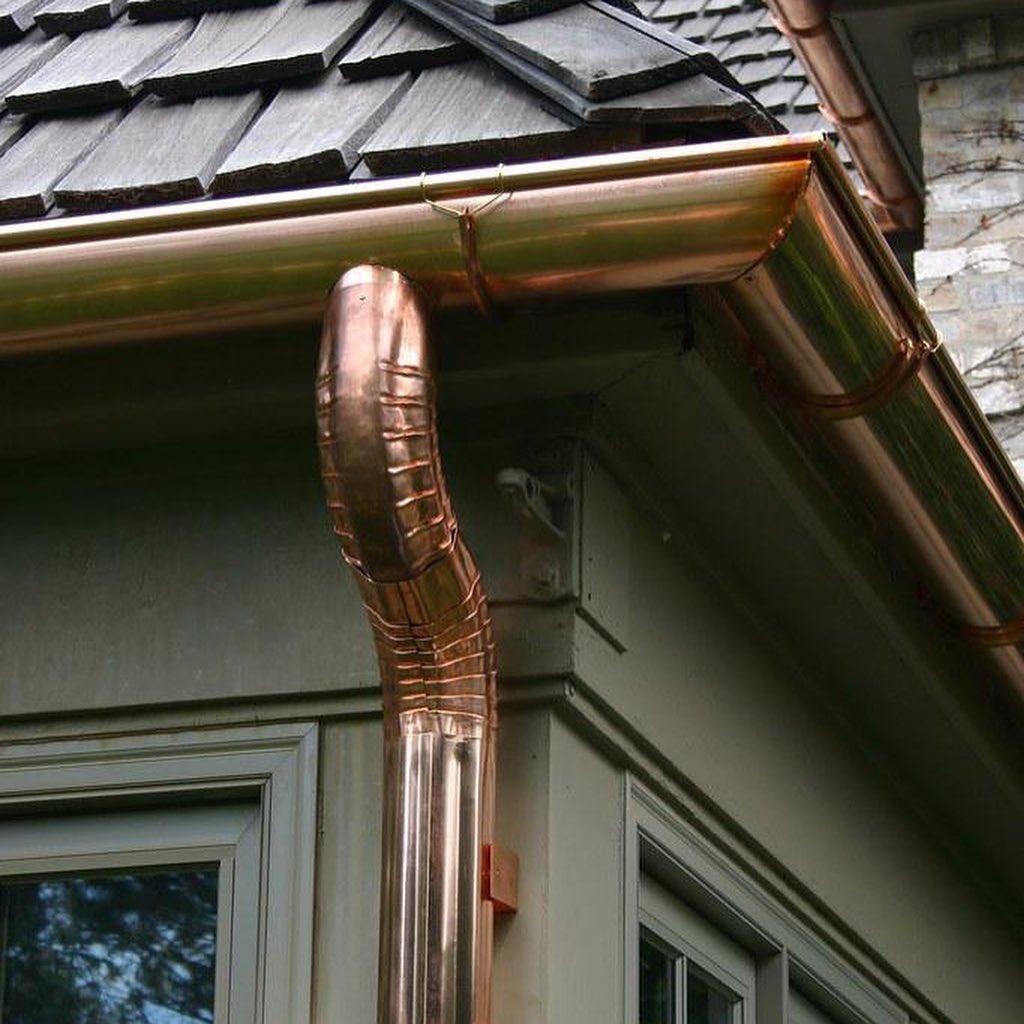
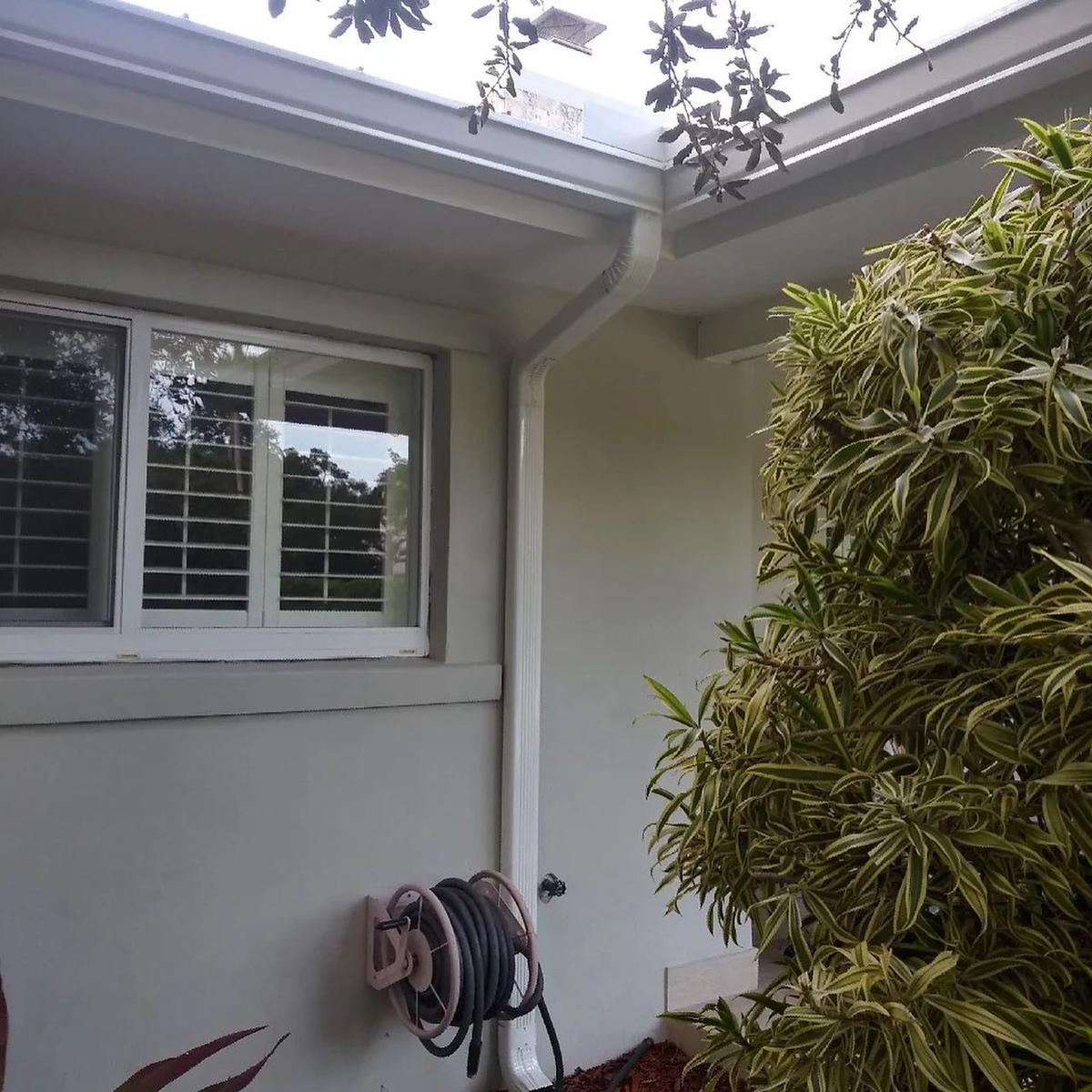
Illustrations of the conditions this guide describes.
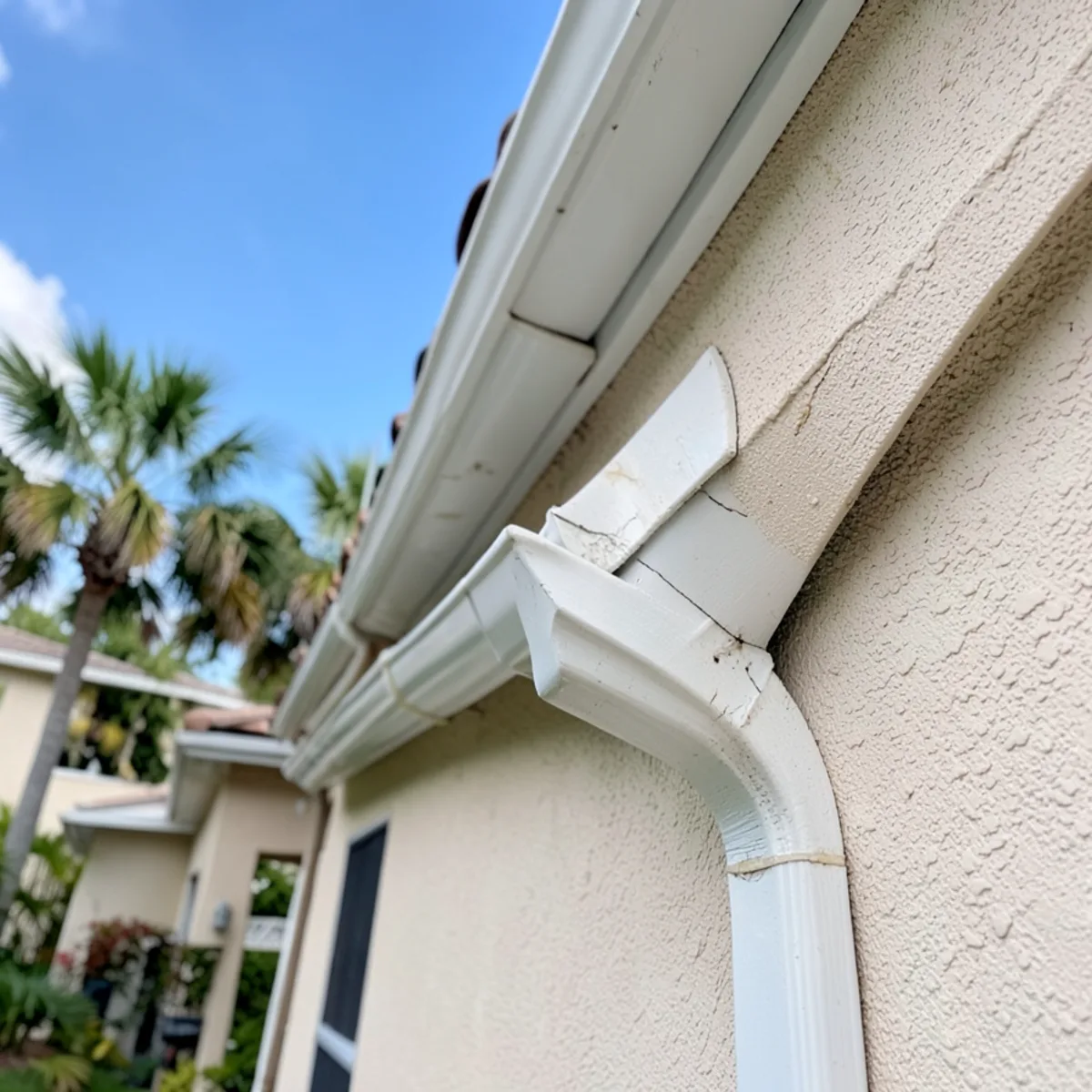
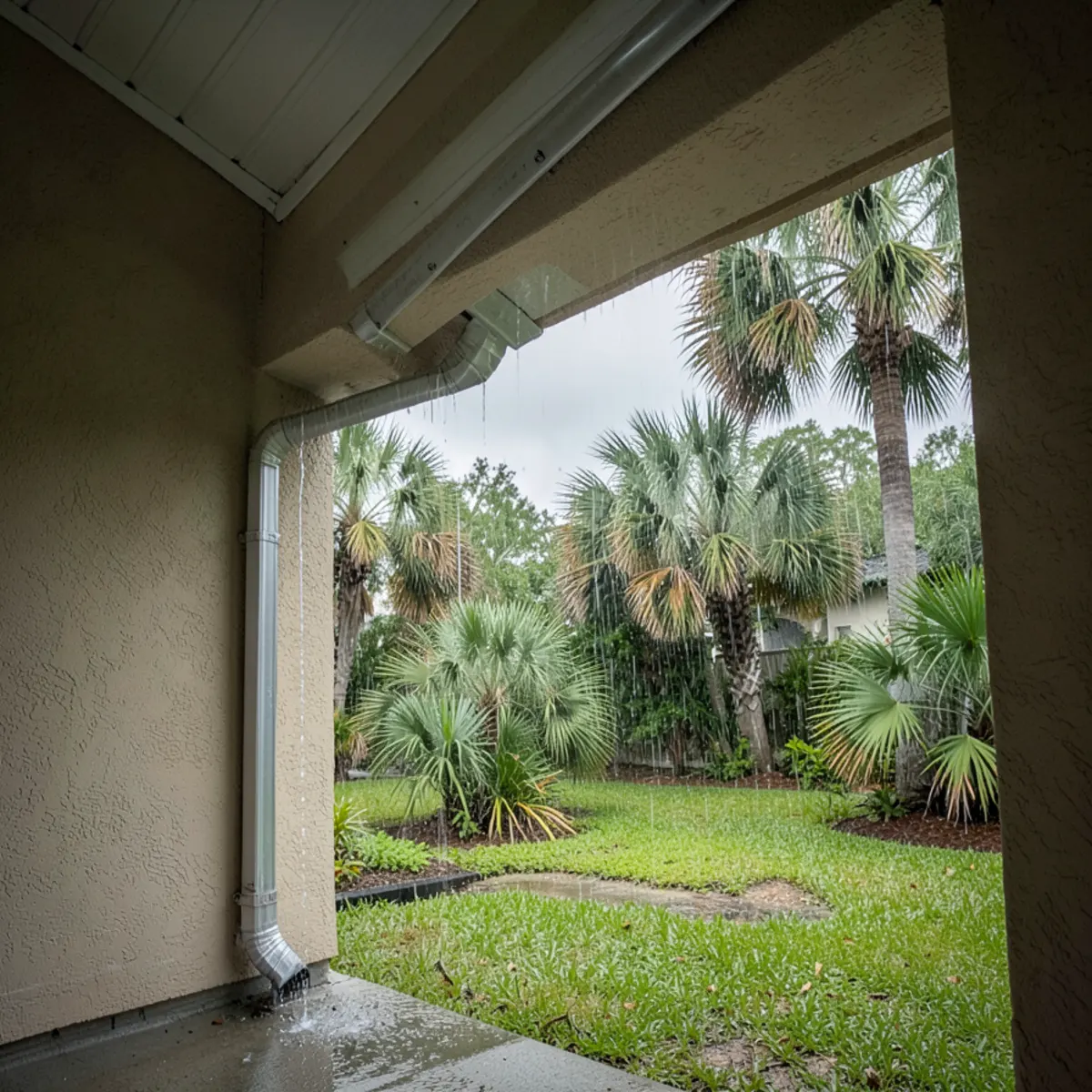
Need a hand with your gutters?
CAG Solutions provides free, no-pressure estimates across Cape Coral and Southwest Florida.