How Gutter Problems Can Affect Soffit and Fascia
Most homeowners think a failing gutter is a gutter problem. It is not. By the time water spills over the front of your gutter in a July downpour, the real damage is already moving into the wood behind it. That wood is your fascia and soffit, and in Southwest Florida it rots faster than almost anywhere in the country.
The reason is our climate. Torrential rain, hurricane-force wind, and corrosive salt air all hit the same vulnerable seam where your roof edge meets your gutter. A gutter that overflows, sags, or pulls loose does not just look bad. It feeds moisture directly into the fascia board, then up into the soffit, then sometimes into the roof framing itself. Left alone, a cheap gutter problem becomes a four-figure carpentry job. This is the chain of gutter soffit fascia damage, and here is exactly how it unfolds.
What soffit and fascia actually do
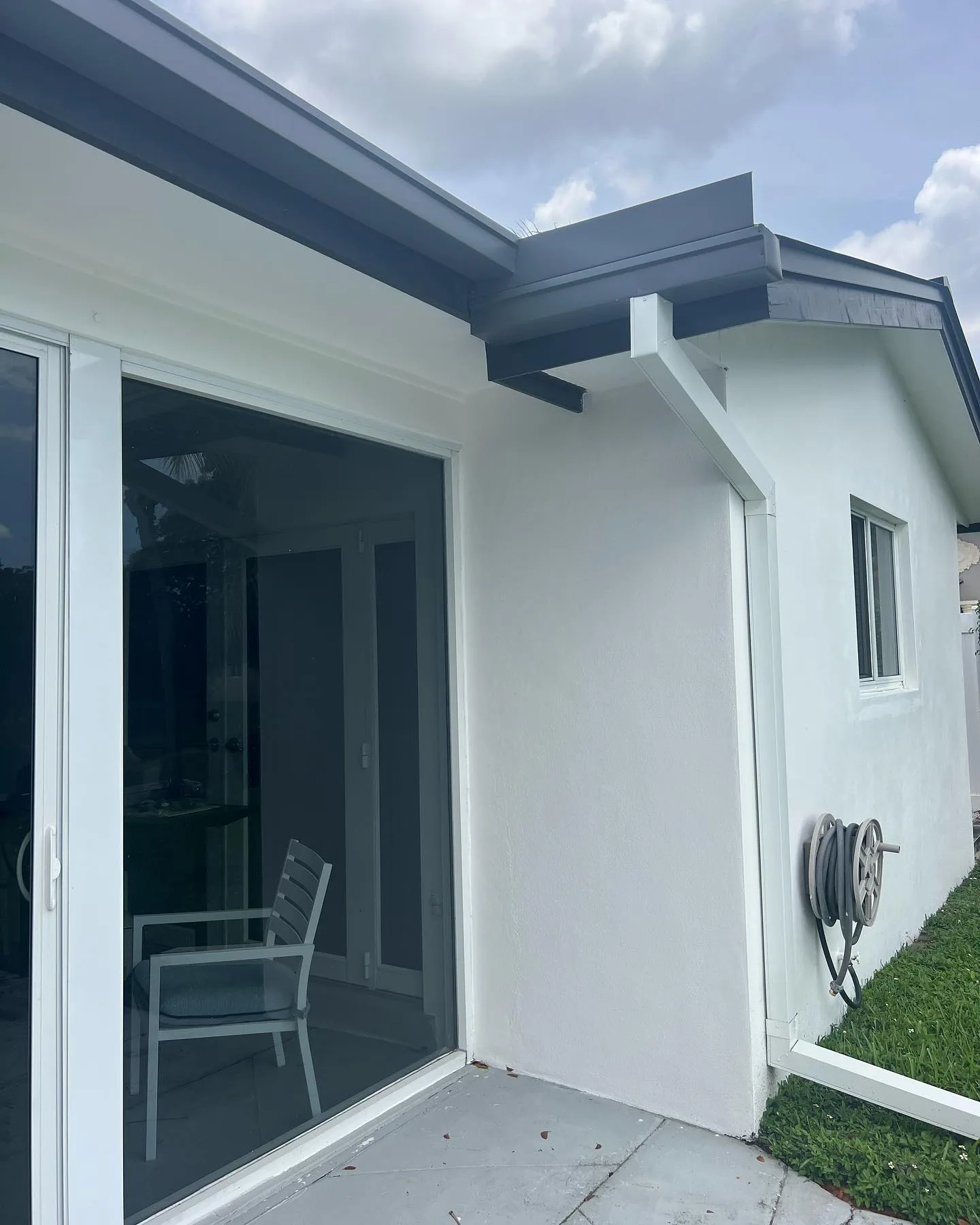
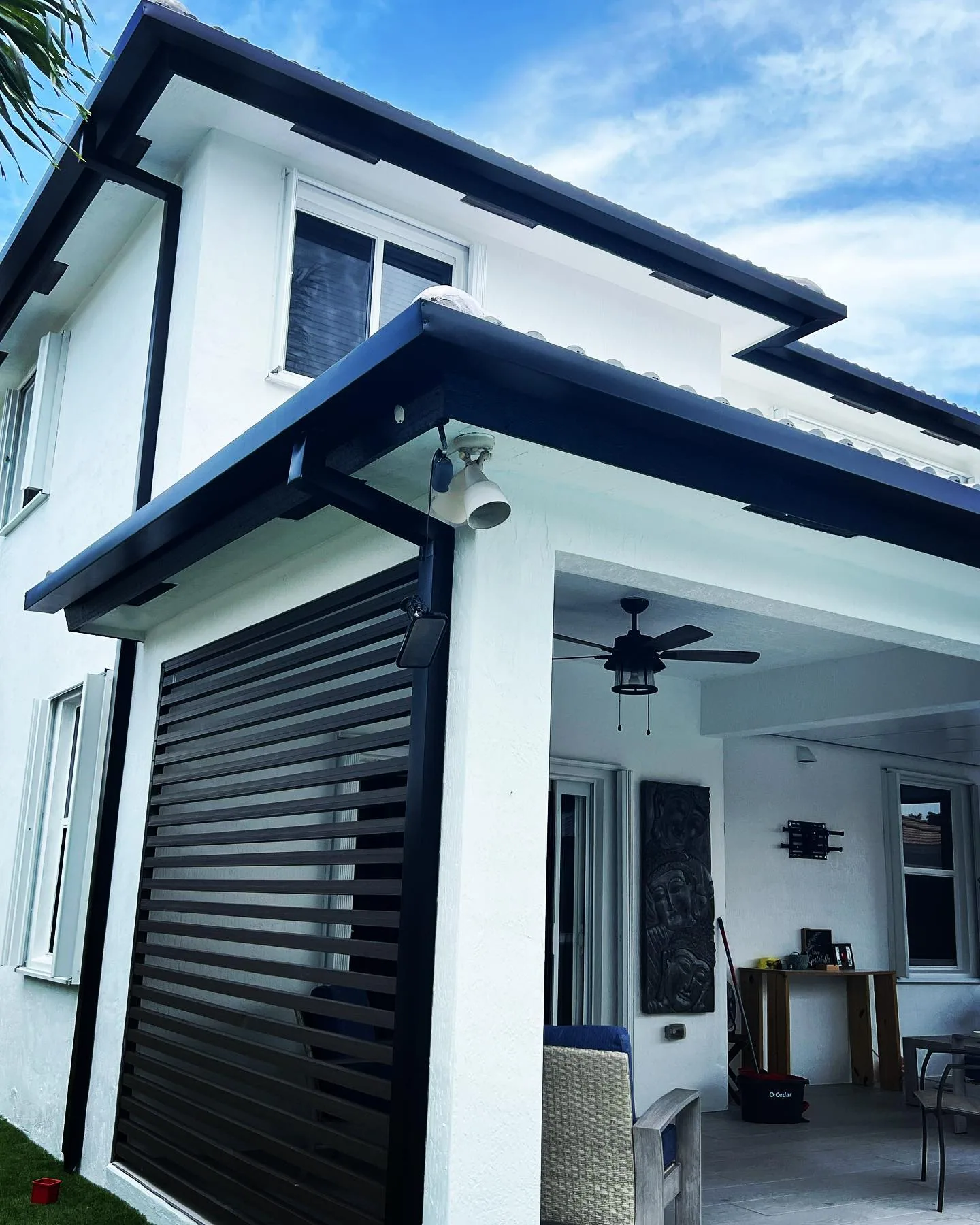
Fascia is the vertical board that runs along your roof edge, just behind the gutter. It carries the gutter's weight and seals off the ends of your roof rafters. Soffit is the horizontal panel underneath the overhang, the part you see when you stand under the eave and look up.
Together they do two jobs. They keep wind-driven rain and pests out of your attic, and they let your roof breathe. Vented soffit pulls cool air up into the attic so heat and humidity can escape. When water gets into these components, both jobs fail at once. You lose the moisture barrier, and you trap humidity in a space that was designed to stay dry.
In our market, that trapped humidity is the enemy. A soaked fascia board in Ohio might dry out between rains. In Cape Coral, it stays damp, and damp wood in salt air is an open invitation to rot and mold.
How a bad gutter destroys the wood behind it
There are four common failure paths, and we see all of them across SW Florida roofs.
- Overflow from undersized downspouts. A standard 2"x3" downspout cannot move the volume our tropical downpours produce. Water backs up, sheets over the front lip, and runs straight down the fascia. Oversized 3"x4" or dual downspouts are not a luxury here. They are how you keep water off the wood.
- Clogs from local debris. Oak catkins in spring, palm strings year-round, pine needles, and summer pollen build a dense mat. A clogged gutter holds standing water against the fascia for days. Regular gutter cleaning is the cheapest insurance you can buy.
- Sagging from failed hangers. Spike-and-ferrule fasteners loosen in wind and thermal expansion. As a gutter sags, its pitch reverses, water pools, and the weight tears at the fascia board.
- Loose back seams. When a gutter pulls away from the fascia, every rain runs down the gap behind it. This is the worst case because you cannot see it from the ground.
In each case the gutter is the symptom delivery system. The wood is where the bill comes due.
Why salt air makes it worse here
Coastal air carries chloride. Chloride accelerates corrosion on metal and rot on wood. A thin gutter or a cheap fastener that might last a decade inland will show salt-air pitting in a few seasons near the water in Cape Coral, Sanibel, or Bonita Springs.
Once a gutter corrodes, pinholes and seam splits form. Those leaks drip onto the fascia at the worst possible angle. That is why we specify .032-gauge aluminum minimum for coastal homes. The heavier wall resists pitting and holds its shape through wind and heat. We pair it with stainless or coated screws in a hidden-hanger system, not spikes, because the fastener is the first thing salt air attacks.
Thermal expansion adds to the strain. Our aluminum heats and cools dramatically between a 95-degree afternoon and a cooler night. Seamless runs handle that movement far better than sectional gutters with their many joints, and fewer seams means fewer leak points dripping onto your fascia.
Warning signs you can spot from the ground
You do not need a ladder to catch most of these early. Walk your home's perimeter after a hard rain and look for:
- Peeling paint or dark streaks running down the fascia board
- Soffit panels that are stained, sagging, or pulling away at the seams
- A gutter line that no longer runs straight, or that tilts away from the house
- Water marks or mud splatter on the wall directly below a gutter joint
- Pieces of soffit on the ground, often a sign birds or rodents found a soft spot
- A musty smell near the eaves, which points to moisture trapped in the overhang
Soft, spongy fascia is the tell. If you press on the board and it gives, the rot is already inside. We always inspect fascia for hidden humidity rot before mounting new gutters, because hanging heavy aluminum on punky wood guarantees a callback.
When to repair the gutter and when the wood has to go
Catch the problem at the gutter stage and the fix is straightforward. Gutter repair, a downspout upgrade, or a cleaning can stop water from ever reaching the wood again.
Once rot reaches the fascia or soffit, the math changes. Painting over soft wood hides nothing for long. The board has to come out, the rafter tails get inspected, and new fascia goes up before any gutter is rehung. Skipping that step is the single most common shortcut we are called in to fix after a cheap install.
If you are planning new gutters, do the carpentry first. It is far cheaper to replace one fascia board during an install than to tear a finished system back down later.
Preventing the whole problem in SW Florida
The goal is simple: keep water moving and keep it off the wood. A few habits do most of the work.
- Schedule installs and major work in the dry season, November through May, and book before hurricane season starts June 1. Crews and good weather both get scarce after that.
- Size downspouts for volume, not appearance. Oversized 3"x4" outlets clear a downpour before it can overflow.
- Clean ahead of the debris seasons, especially after oak catkins drop and during heavy palm shedding.
- Consider gutter guards if your home sits under oaks or pines, to cut clog risk between cleanings.
- Confirm your fascia is sound before mounting anything heavy, and use .032 aluminum with screwed hidden hangers for wind resistance.
Done right, your gutters protect the wood, and the wood protects your attic. That is the whole point of the system.
How CAG Solutions can help
CAG Solutions is owner-led and built for SW Florida conditions. We inspect the fascia before we ever hang a gutter, and if we find rot we will tell you straight. Our soffit and fascia services address the damage at the source, not just the symptom, and our seamless gutter work is sized for tropical rain and built to resist salt-air corrosion. We serve Cape Coral and the surrounding coast seven days a week, and Carlos often handles estimates personally. Call +1 (239) 350-9997 or request a free, no-pressure estimate and we will take a look before the next storm does.
Need a hand with your gutters?
CAG Solutions provides free, no-pressure estimates across Cape Coral and Southwest Florida.