
Gutter Damage After a Hurricane: What to Check and What to Do
Local seamless gutter company in Lehigh Acres, FL · Owner: Carlos Garcia

Short Answer
After a hurricane, check your gutters from the ground for bent or twisted runs, gaps at the fascia, torn or crushed downspouts, debris in the gutters, and damaged soffit. Photograph everything before repairs for insurance, make only safe temporary fixes, and get a professional inspection before the next heavy rain.
After a hurricane or tropical storm passes, gutters are one of the first things to show damage: runs bent by wind, downspouts torn loose, sections dragged down by debris. Some damage is obvious from the yard. Some only shows up in the next rain, when water pours behind a gutter that's been pulled a quarter-inch off the fascia. Here's what to check, safely, and what to do about it.
Safety First
Don't climb a ladder while wind is still gusting, and stay clear of downed power lines and any gutter hanging near a service drop. Many of the first checks can be done from the ground. Leave anything on a second story or a damaged roof to professionals.
What to Check From the Ground
- Alignment: sight along each run for bends, dips, or sections twisted out of line.
- Gaps at the fascia: light showing between gutter and house means fasteners pulled.
- Downspouts: torn off, crushed, or disconnected from the gutter or underground drain.
- Debris: fronds, shingles, or branches lying in the gutters.
- Fascia and soffit: stains, sagging, or soffit panels blown out.
- Stains on walls below gutters during the next rain.
Document Everything for Insurance
Before anything is moved or repaired, take wide photos of each side of the house and close-ups of every damaged section, with dates. Gutter damage is often part of a wind or storm claim; check with your insurer about your coverage and deductible. Temporary repairs to prevent more water damage are generally expected, so keep receipts.
Temporary Fixes Until Repairs
Clear debris from gutters you can safely reach, reattach or remove a downspout that's swinging, and move a dislodged downspout so it isn't dumping water at the foundation. Don't try to straighten or re-hang long runs from a ladder alone. Bent aluminum under tension can spring loose.
Repair or Replace After a Storm?
Isolated damage, like one bent section or a torn-off downspout, is usually a repair. Damage across several runs, crushed or creased gutters, or old spiked systems that pulled loose usually points to replacement. If you replace, it's the moment to upgrade to screwed hidden hangers, .032 aluminum, and larger gutters where the old ones overflowed.
Why Booking Early Matters
After a major storm, demand for gutter repair and replacement across Lee and Charlotte counties spikes quickly. Getting on a schedule early, with photos already taken, shortens the time your home goes without working gutters. Before next season, our pre-hurricane gutter checklist helps prevent the worst of it.
Storm Damage We See Most
- Spiked gutters pulled loose: spike-and-ferrule systems let go first, often along an entire run.
- Corners torn open where wind gets under the roof edge.
- Downspouts ripped off at the straps, or crushed by falling fronds.
- Gutters packed with debris and overflowing in the first rain after the storm.
- Soffit panels blown out near damaged gutters, exposing the attic. We repair soffit and fascia along with the gutters.
Making the Next Storm Less Damaging
Screwed hidden hangers at proper spacing, heavier .032 aluminum, downspouts strapped securely, and clean gutters going into the season all reduce storm damage. Trim fronds and branches hanging over the roof before June 1. Anchor or remove rain chains. And photograph your gutters while they're intact, so you have a before picture if you ever need to file a claim.
Temporary Fixes vs. Permanent Repairs
Temporary fixes are about preventing more damage until a proper repair: clearing debris you can reach safely, removing a downspout that's swinging against the house, or redirecting a disconnected downspout away from the foundation. They should be reversible and documented with photos.
Permanent repairs come after inspection: re-hanging runs on screwed hidden hangers, replacing bent sections, resealing corners, and replacing damaged fascia and soffit. Doing permanent work before your insurer has seen the damage can complicate a claim, so check with them first.
Working With Your Insurer on Gutter Damage
- Photograph every side of the house and each damaged section, with dates.
- Report the damage to your insurer as part of the storm claim.
- Get a written estimate that lists each damaged run, downspout and any fascia or soffit work.
- Keep receipts for any temporary repairs.
- Ask whether your policy treats gutters as part of the dwelling and how your hurricane deductible applies.
Policies differ, so your insurer is the authority on what's covered.
What a Post-Storm Gutter Inspection Covers
A proper inspection goes beyond what's visible from the yard: each run checked by hand for movement and pitch, hangers and spikes checked for pull-out, corners and end caps checked for splits, downspout straps and elbows checked, fascia probed for soft spots behind the gutters, and soffit checked for loose or missing panels. The result should be a written list you can share with your insurer.
Storm-Proofing When You Replace Damaged Gutters
If the storm damage is bad enough to replace gutters, use the replacement to make the next storm less damaging. The upgrades that matter most:
- Screwed hidden hangers instead of spikes, at close spacing, into solid fascia or rafter tails.
- Heavier .032-gauge aluminum that resists denting from wind-blown debris.
- Downspouts strapped at regular intervals, with elbows fastened so they can't separate.
- Seamless runs with fewer joints for wind and water to work open.
- Repaired fascia and soffit so the roof edge is closed before the gutters go back up.
None of this makes gutters hurricane-proof, but it's the difference between gutters that need a few repairs after a storm and gutters lying in the yard.
Get a Post-Storm Gutter Inspection
We inspect storm-damaged gutters, fascia, and downspouts, explain what needs repair versus replacement, and give you a written estimate you can share with your insurer. Call (239) 350-9997.
From the Crew: What We See on Real Jobs
The damage homeowners miss after a storm is the gutter that looks fine but has pulled a quarter inch off the fascia. From the ground it's invisible; in the next rain, water runs behind the gutter and soaks the wood. We check every run with a hand on the gutter, not just a look.
For insurance, the most useful thing you can do is take wide and close photos of every side of the house before anything is moved or repaired.
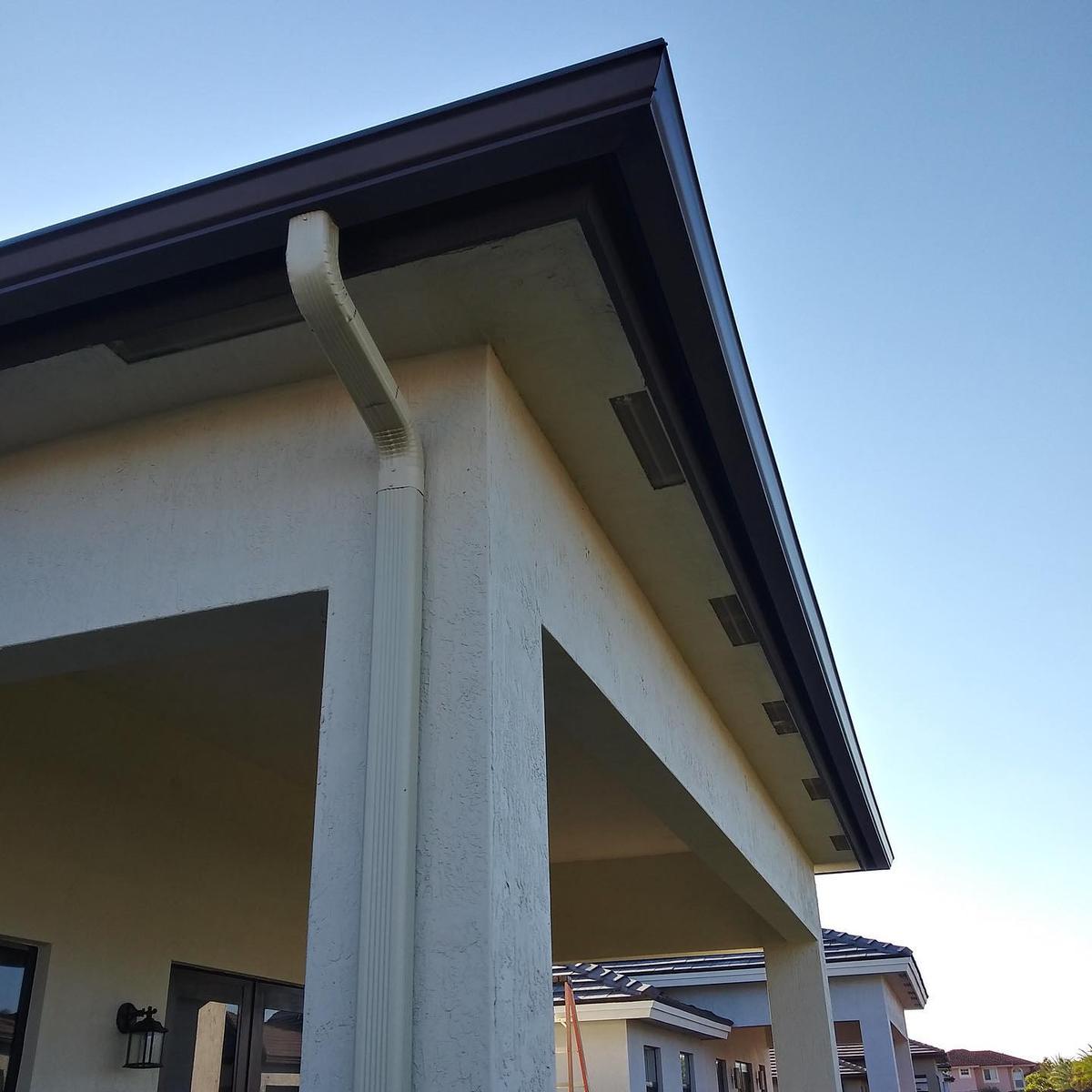
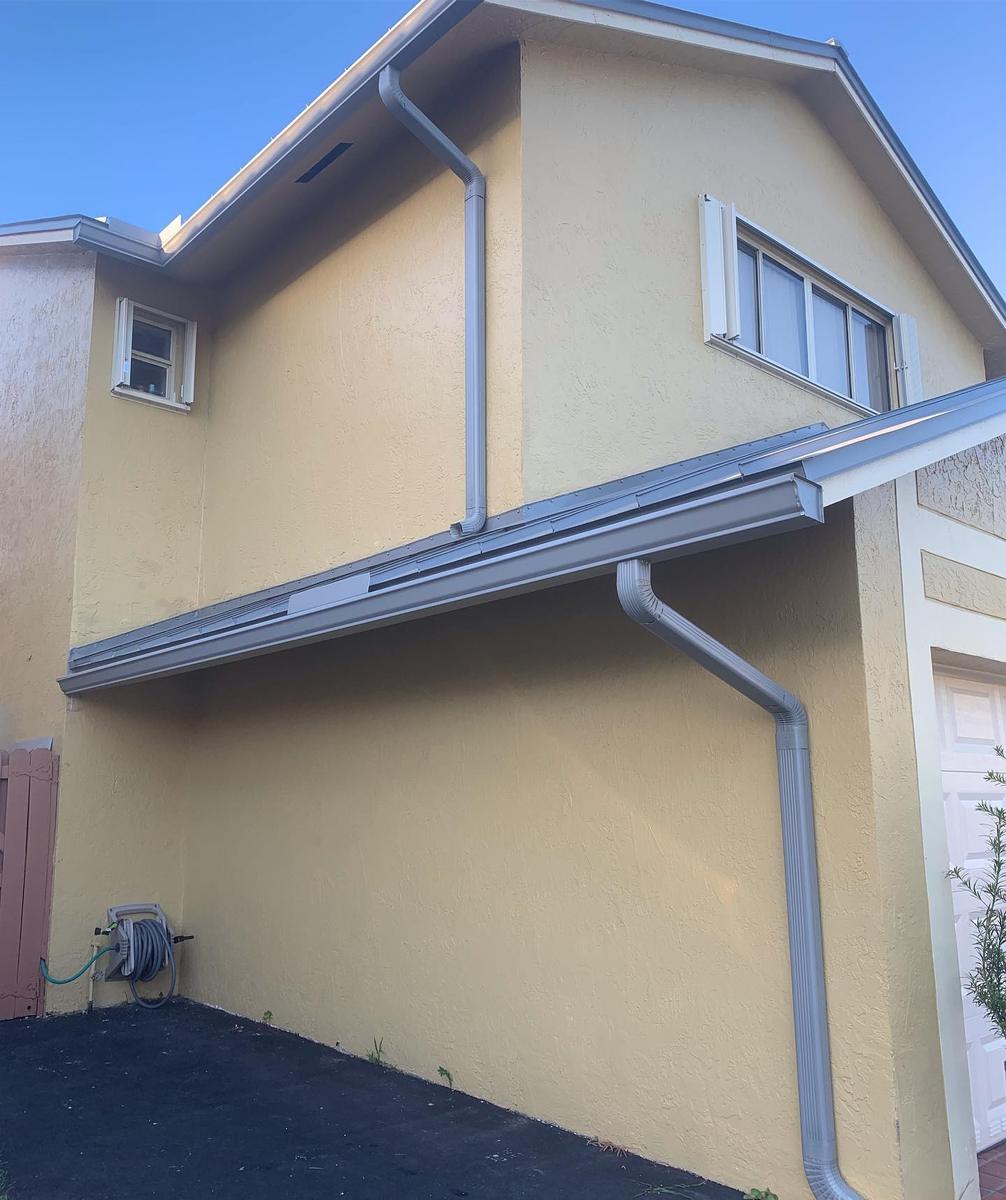
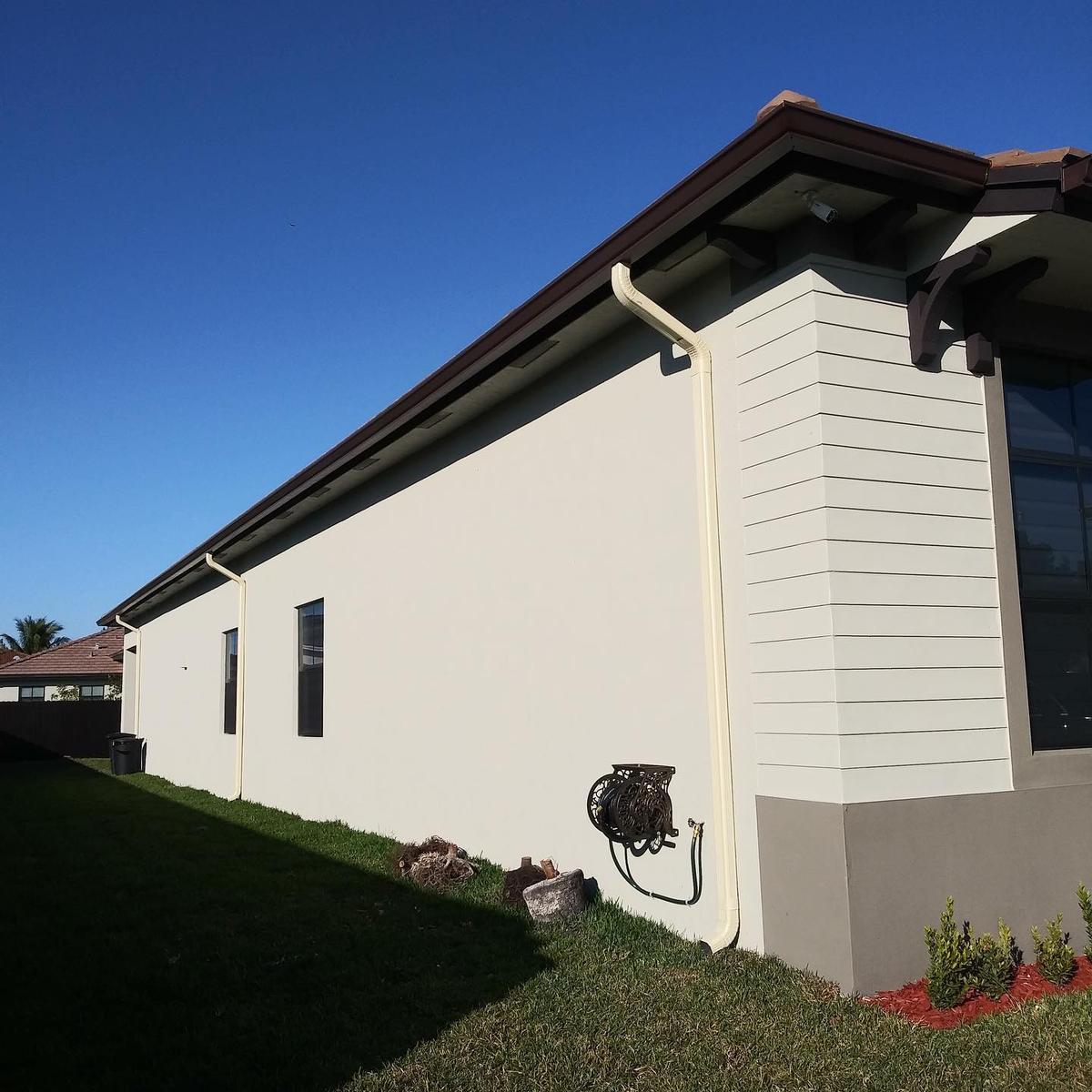
Photos that relate to this guide.
Need a hand with your gutters?
CAG Solutions provides free, no-pressure estimates across Cape Coral and Southwest Florida.