How to Know If Your Gutters Need Repair in Cape Coral, FL
Your gutters are the cheapest insurance your house has. In Cape Coral, they fight a triple threat most of the country never sees: torrential rain, hurricane winds, and corrosive salt air rolling in off the Gulf. When gutters start to fail here, they do not fail slowly and politely. They fail in the middle of an August downpour, and the water goes where it should never go.
By the time most homeowners call us, the damage is already showing on the fascia, the soffit, or a stained ceiling. The good news is that gutters give you warning signs long before that. If you learn to read them, you can fix a small problem cheaply instead of paying to repair the home behind it. Here is how to tell whether your gutters need attention now.
Warning Signs Your Gutters Are Failing
Walk your home after the next hard rain and look. Most gutter trouble announces itself if you know where to point your eyes.
- Sagging or uneven runs that dip in the middle instead of holding a straight line.
- Water marks or mildew streaks on the siding or fascia under the gutter lip.
- Pooling water at the foundation or eroded mulch beds directly below a downspout that no longer carries flow away.
- Visible gaps, splits, or separated seams where two sections meet.
- Peeling paint or rust streaks running down the gutter face.
- Plants or grass sprouting inside the trough, which means it has become a planter full of trapped debris.
One sign is a maintenance issue. Three or four together usually mean the system needs professional gutter repair in Cape Coral before storm season puts it to a real test.
Overflow and Bad Pitch During Heavy Rain
Cape Coral summer storms dump water faster than undersized gutters can move it. If yours sheet over the front edge like a waterfall every time it rains hard, you have a flow problem, a pitch problem, or both.
Pitch is the slight slope that carries water toward the downspouts. It is easy to lose. A few loose hangers, a settled fascia board, or a sloppy original install can flatten a run so water sits and overflows instead of draining. Standing water is also dead weight, and dead weight pulls the whole system loose over time.
Volume is the other half. Many older Cape Coral homes still run narrow 2"x3" downspouts that simply cannot keep up with a tropical downpour. We push oversized 3"x4" downspouts or dual downspouts on long runs for exactly this reason. If your gutters are clean and pitched correctly and they still overflow, the outlets are the bottleneck. Upgrading downspouts that actually move tropical rain volume is often the single most effective repair we make.
Salt-Air Corrosion and Pitting
Salt air is the quiet killer in coastal Florida. It does not care that your gutters looked fine last year. It works on metal constantly, and the closer you live to the water, the faster it bites.
Look closely at the gutter surface and the fasteners. The early signs of salt-air pitting are:
- A chalky, dull film where the finish used to be smooth.
- Tiny pinholes or rough, freckled patches on the metal.
- Rust bleeding around screws, end caps, and seams.
- Thin spots you can feel flex or hear oil-can when pressed.
Thin-gauge aluminum corrodes years faster than it should near the coast. We hold to .032-gauge aluminum as the minimum for Cape Coral durability, because the lighter stock used by bargain installers pits, perforates, and leaks long before its time. If you are seeing pinholes, the metal is telling you it has reached the end. Patching a pitted run rarely lasts; the corrosion is already everywhere the salt could reach.
Loose Hangers and Fascia Rot
What holds the gutter to the house matters as much as the gutter itself. A lot of the failures we repair in Cape Coral trace back to the wrong hardware and to hidden rot behind the boards.
Older systems used spike-and-ferrule fasteners, basically a long nail driven through the gutter. In our wind, those nails work loose, back out, and let whole sections pull away in the next storm. If you see nail heads poking out or a gutter that has dropped at one end, that is the system telling you it cannot hold. The fix is a hidden-hanger system fastened with screws, which grips the fascia far better and stands up to wind-rated loads.
But hangers are only as strong as the wood behind them. Constant humidity and water from a leaking gutter rot the fascia from behind, where you cannot see it. We always inspect the fascia for hidden moisture rot before remounting anything, because screwing a new gutter into soft wood just delays the same failure. If the board is spongy, the soffit and fascia need attention as part of the repair, not after it.
Repair or Replace: How to Decide
Not every problem means a full tear-off. Here is the honest way we sort it.
Usually a repair when:
- One section sags from a couple of failed hangers.
- A single seam or end cap leaks but the metal is sound.
- Pitch needs adjusting on an otherwise solid run.
- A downspout came loose or needs upsizing for better flow.
Usually a replacement when:
- Pitting and pinholes show up in more than one place.
- The metal is thin-gauge and already failing in salt air.
- Sectional gutters leak at seam after seam.
- The whole system was installed with spikes and is pulling off the house.
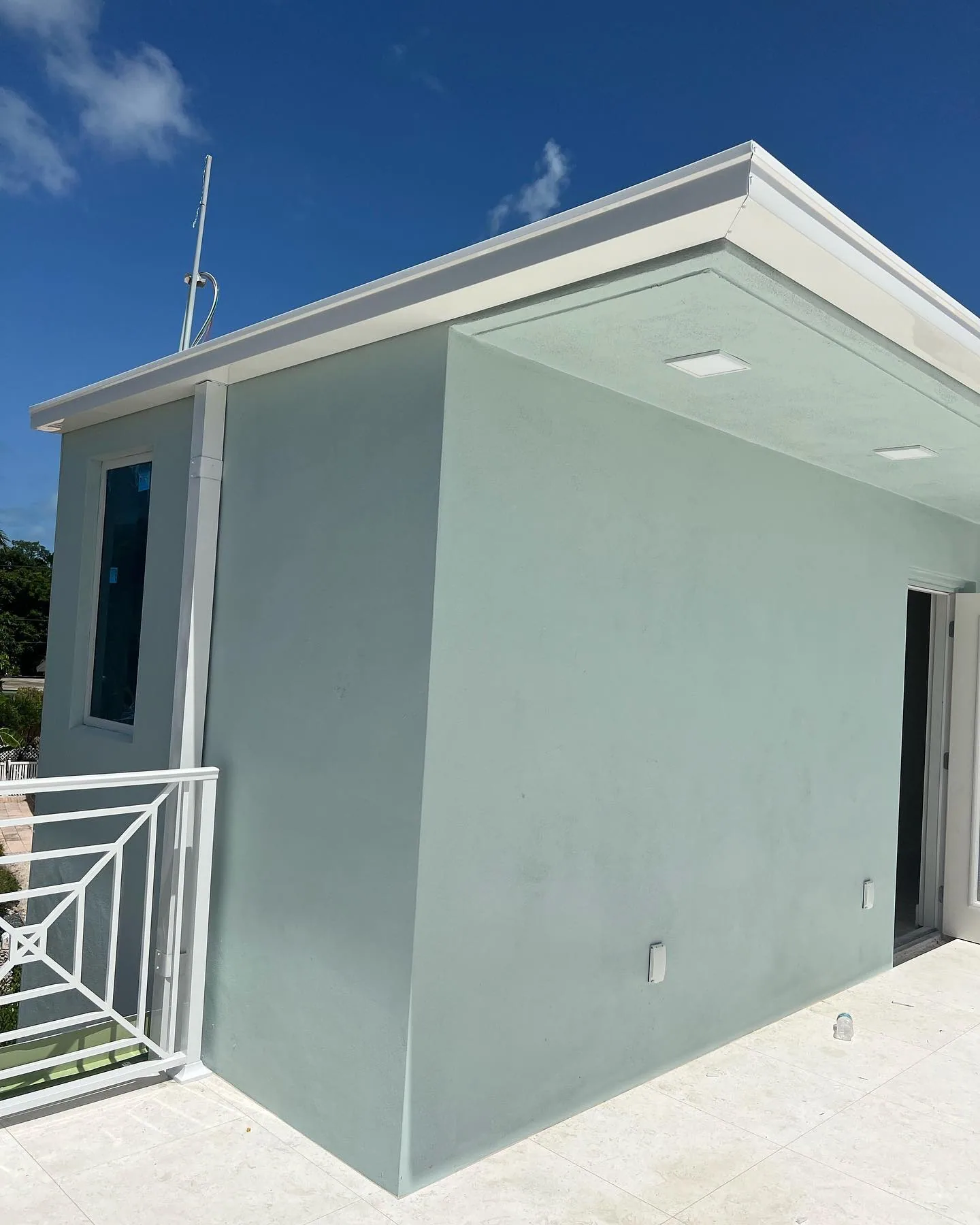
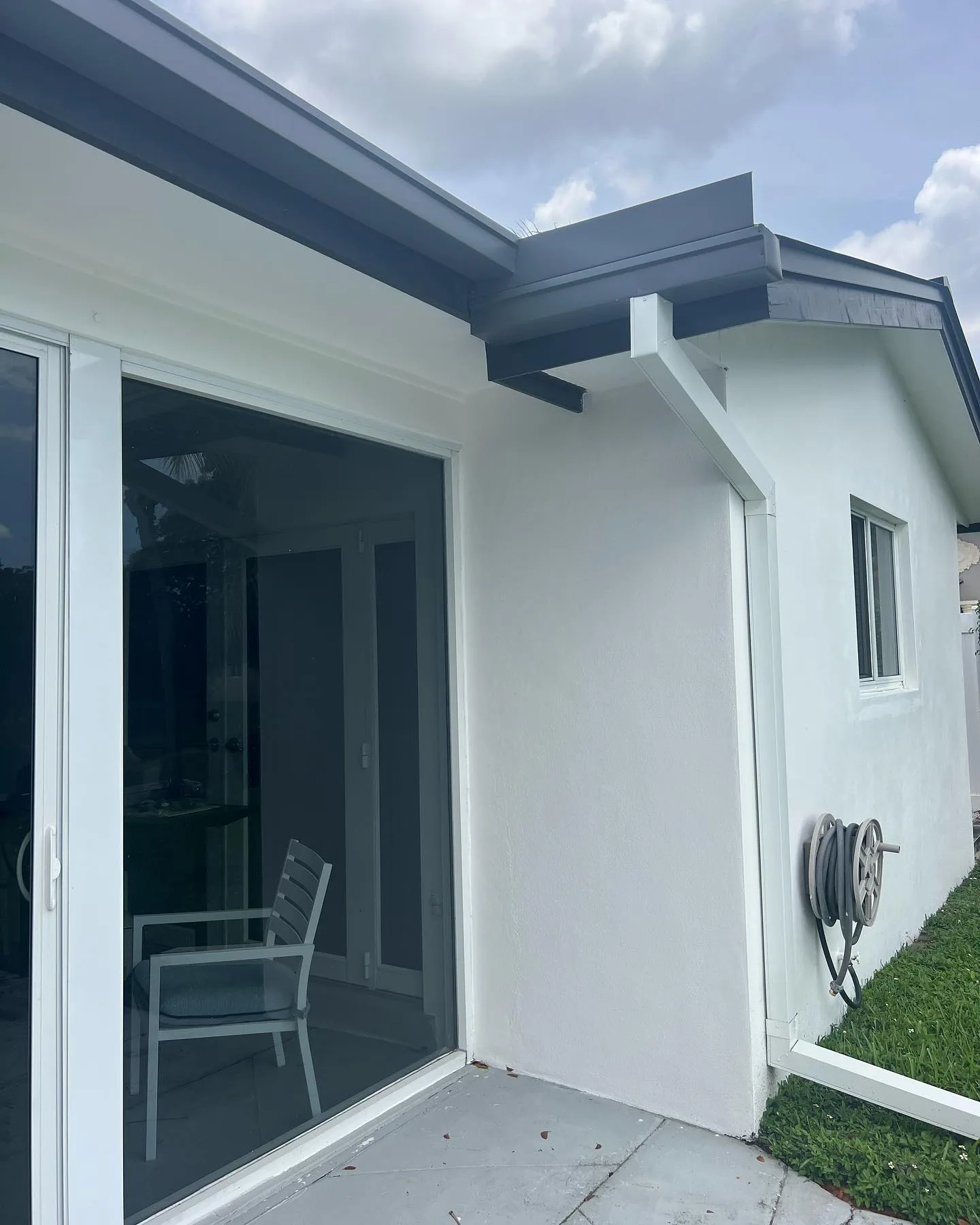
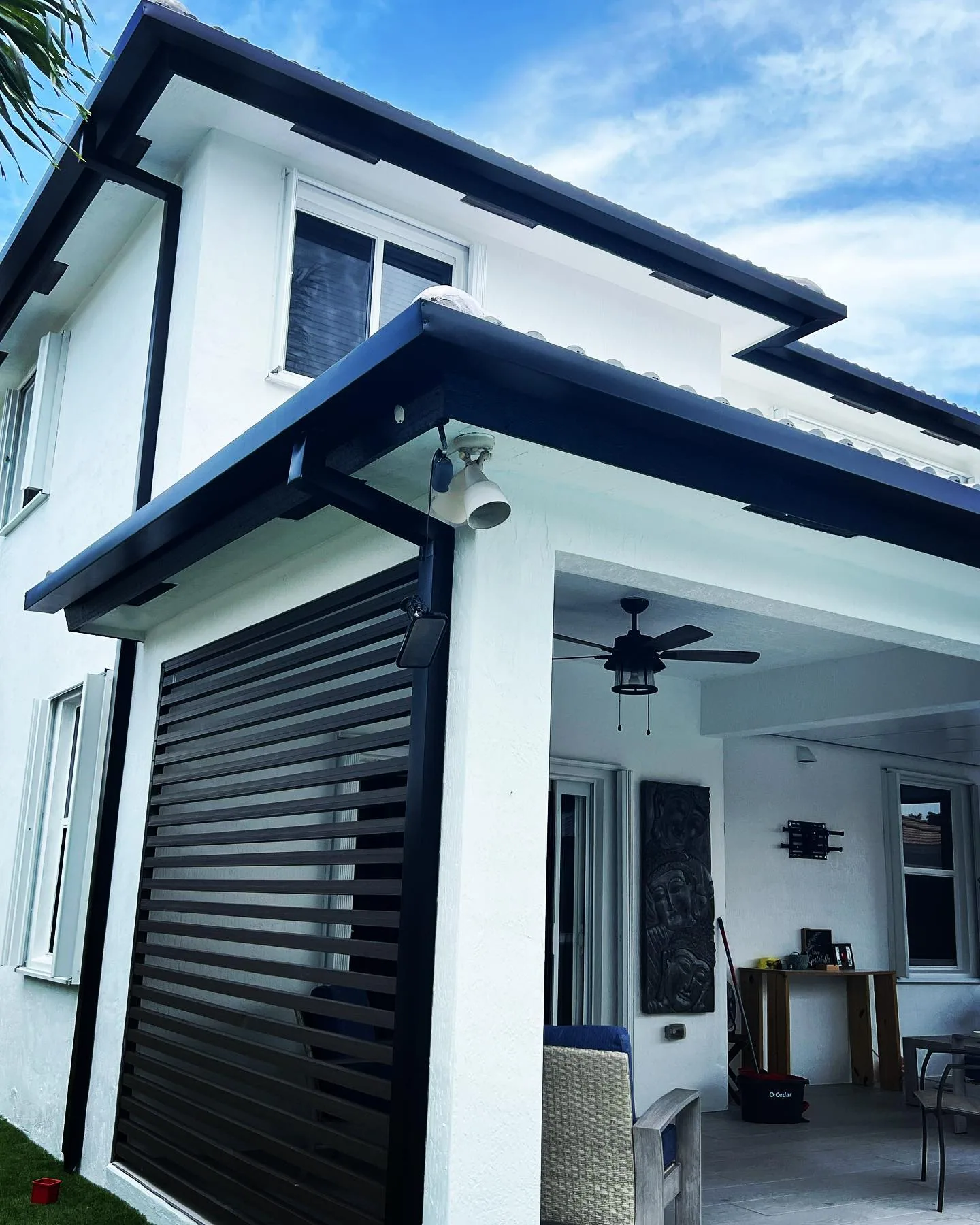
When the time comes to replace, this is where seamless gutters earn their keep. Sectional gutters leak at every joint, and joints are where salt and debris collect. A seamless run, formed on site to fit your roofline, removes most of those failure points entirely.
Timing matters too. Schedule installs and bigger repairs in the dry season, November through May, and book before hurricane season starts June 1. Crews fill up fast once the rain returns, and you do not want to be on a waitlist when the first storm tests the gutters you meant to fix.
How CAG Solutions Can Help
CAG Solutions is an owner-led, bilingual seamless rain-gutter company serving Cape Coral and all of Southwest Florida. We do not upsell. We look at what you have, tell you whether a repair will hold or whether replacement is the smarter spend, and we point out the debris traps from oak catkins, palm strings, and pine needles that quietly clog systems here. Carlos often does estimates himself.
If your gutters are overflowing, sagging, or showing salt-air pitting, get them looked at before the next storm. Schedule a free, no-pressure estimate for gutter repair in Cape Coral by calling +1 (239) 350-9997 or reaching out through our contact page. We are open seven days a week, and we would rather help you fix a small problem now than repair your fascia later.
Need a hand with your gutters?
CAG Solutions provides free, no-pressure estimates across Cape Coral and Southwest Florida.