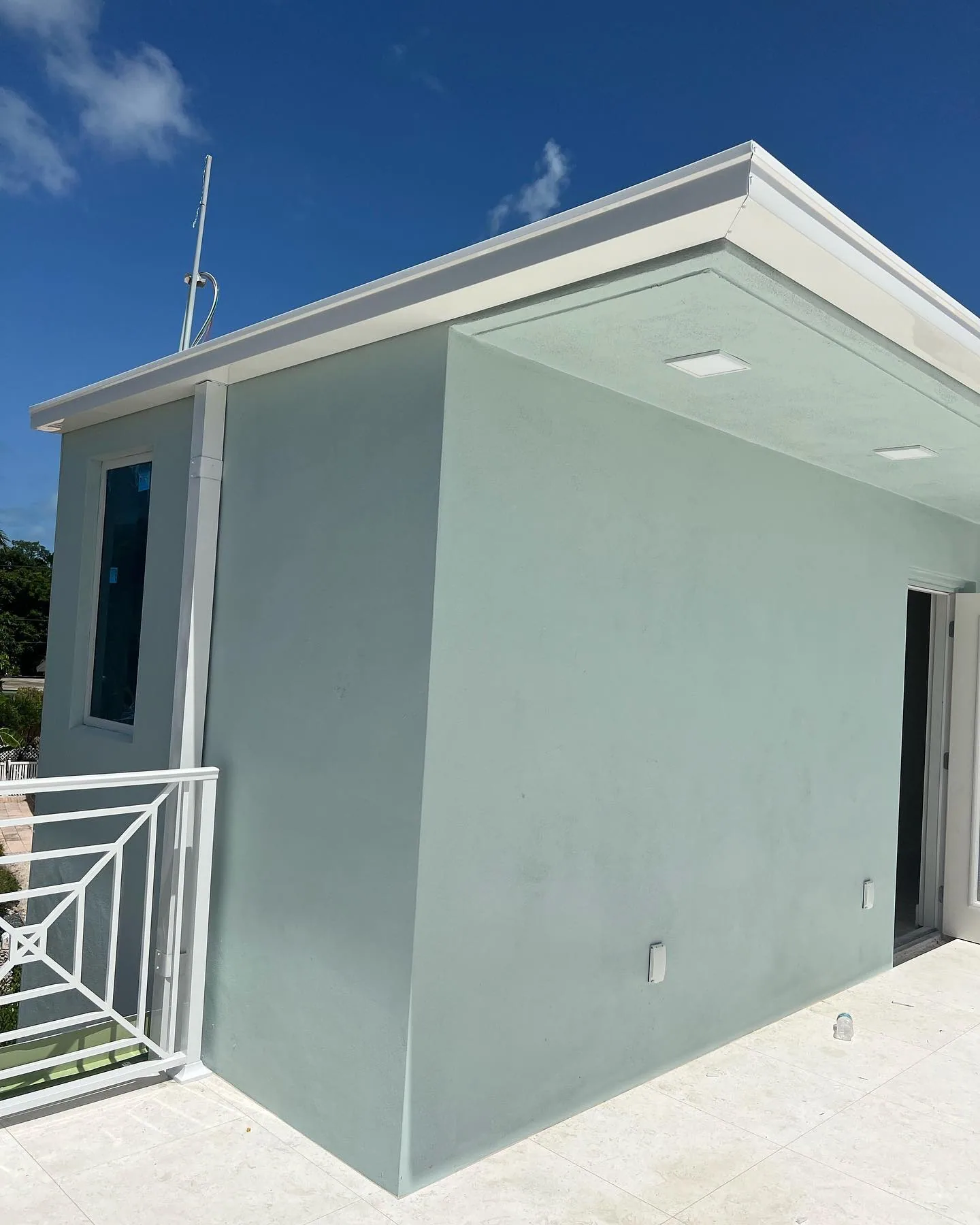
How Often Should You Clean Gutters in Southwest Florida?
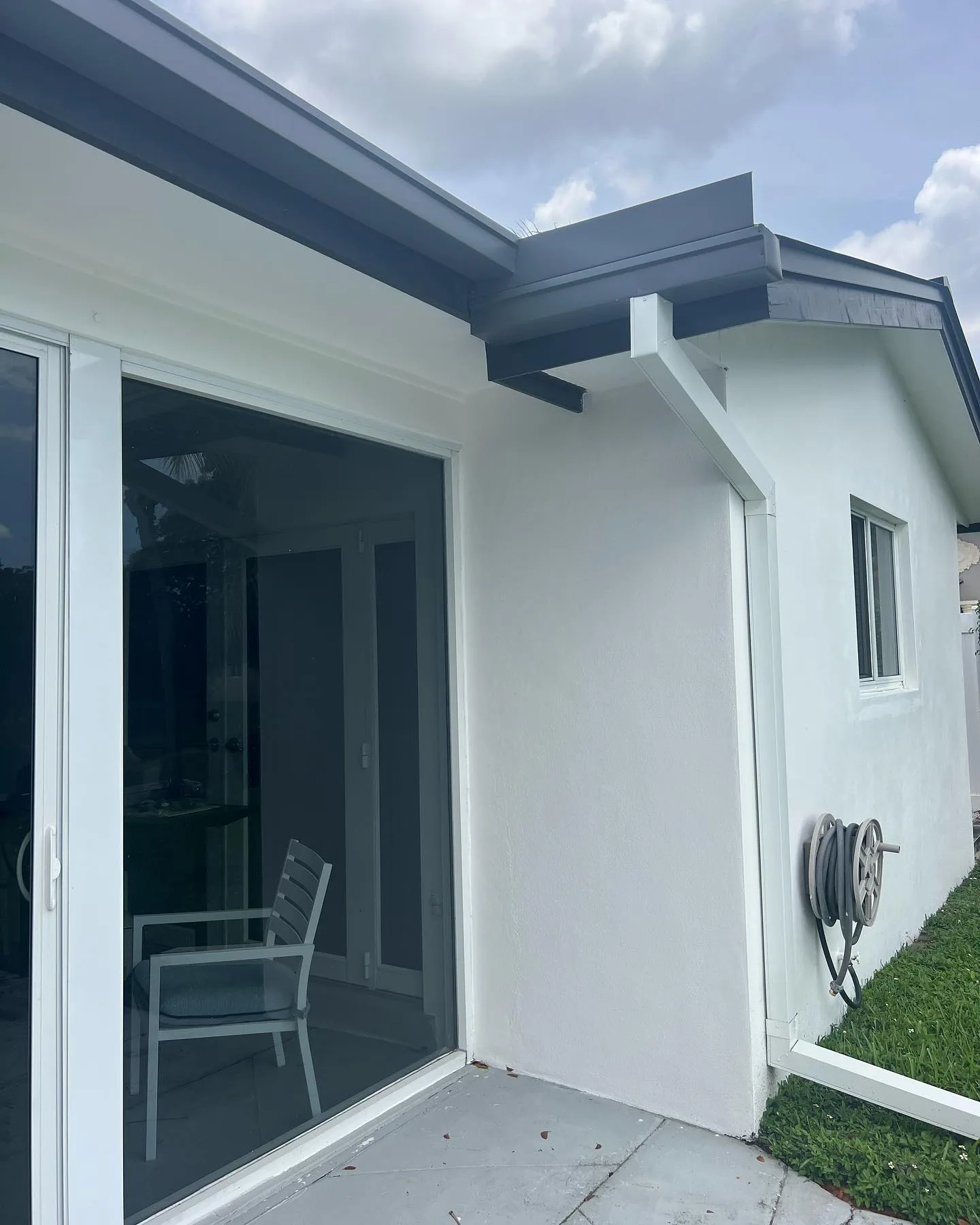
You don't think about your gutters until water is sheeting over the front edge during a July downpour. By then the damage is already starting. Clogged gutters in Southwest Florida don't just overflow. They rot fascia, stain stucco, undermine foundations, and breed mosquitoes in standing water.
Here is the hard truth. The cleaning schedule that works in Ohio will fail your home in Cape Coral. Our climate is a different animal: torrential rain, hurricane winds, and corrosive salt air all working against your roofline at once. So the real question is not whether you need to clean your gutters. It is how often, and that answer depends on what's growing over your roof and how close you are to the water.
Why Southwest Florida is harder on gutters
Most of the country deals with one falling season. We deal with debris year-round, plus salt.
Oak catkins drop in spring. Palm strings shed all year. Pine needles work their way into every seam. Summer pollen turns into a sludge that hardens in the trough. None of it stops, which means a "once a year" plan leaves your gutters clogged for months at a time.
Then add the coast. Salt air accelerates corrosion and salt-air pitting, especially on thin or builder-grade aluminum. Standing debris traps moisture against the metal and the fascia behind it. That trapped humidity is how a clean-looking gutter quietly rots the wood it's mounted to.
This is why we push .032-gauge aluminum minimum for coastal homes and hidden-hanger systems screwed into the fascia. But even the best metal needs the water to actually flow. A clogged trough overwhelms your downspouts no matter how well it was installed.
How often should you actually clean them?
For most Southwest Florida homes, plan on cleaning your gutters at least twice a year. But the right number depends on your trees and your location.
- Twice a year (spring and fall) is the baseline for an open lot with few overhanging trees.
- Three to four times a year if you have oaks, pines, or palms directly over the roof. The debris load here is constant.
- Every quarter or more for homes near the water in Cape Coral, Sanibel, or Bonita Springs, where salt and humidity make standing debris more damaging.
- Always before June 1. Hurricane season starts then, and you do not want clogged gutters when the first tropical system parks over the Gulf.
One more rule. After any major storm, check them. Wind strips palm fronds and small branches into the trough in a single afternoon, and a fresh clog before the next band of rain is a real problem.
Warning signs your gutters are overdue
You don't always need a ladder to know you're behind. Watch for these from the ground.
- Overflow during rain. Water spilling over the front lip means the trough or downspout is blocked, or the pitch is wrong.
- Plants growing in the gutter. Seedlings or grass in the trough means there's enough trapped soil and water to support life. That's a heavy, wet clog.
- Streaks or "tiger stripes" down the face of the gutter, and stains on the stucco or fascia below.
- Sagging or pulling away from the fascia. Standing water and debris add real weight, and on a spike-and-ferrule system the gutter starts to droop.
- Mosquitoes or standing water you can see after the rain stops. Gutters should drain fully.
- Erosion or pooling at the foundation where water dumps over the side instead of through the downspout.
If you're seeing sag or separation, the problem may have moved past cleaning into gutter repair territory, and the fascia behind it deserves a look.
Don't forget downspouts and fascia
A clean trough that feeds a clogged downspout still overflows. The downspouts are where most blockages actually choke the system.
This is also why downspout sizing matters so much here. Standard 2"x3" outlets can't move the volume of a Southwest Florida downpour. We recommend oversized 3"x4" or dual downspouts so water clears fast instead of backing up into a debris dam. If your home is constantly overflowing even after cleaning, the real fix may be larger downspouts, not more frequent cleaning.
While you're up there, inspect the fascia. Press on the wood behind the gutter. If it's soft or spongy, you have hidden humidity rot, and mounting hardware won't hold in rotten wood. Catching that early saves you from a much larger soffit and fascia repair later.
Cleaning less often: do guards help?
Gutter guards reduce how often you clean, but they don't eliminate it. Be honest about that before you buy.
Fine debris is the issue here. Palm strings, oak catkins, and pollen are small enough to slip past or sit on top of many guard styles. A good guard keeps out leaves and large debris and cuts your cleaning frequency, but you'll still want a periodic check. In our climate, "maintenance-free" is marketing, not reality.
For homes drowning in pine needles or under heavy oak canopy, quality gutter guards can be worth it. Pair them with regular inspections and you've got a manageable system instead of a quarterly chore.
DIY or call a pro?
A single-story ranch with a sturdy ladder and a dry day? Plenty of homeowners handle that themselves. Here's how to do it safely.
- Pick a dry day. Wet debris is heavier and ladders slip.
- Use a stable ladder on level ground, never the roof edge.
- Scoop debris out, then flush with a hose to confirm the downspouts run clear.
- Check that water exits the bottom of each downspout, not just the top.
Call a pro when the home is two stories, the pitch is steep, the fascia feels soft, or the gutters are sagging. Those are signs of a bigger problem, and a ground-level scoop won't fix a system that's pulling off the house. A professional cleaning also includes an inspection, so you catch corrosion and rot before they spread.
How CAG Solutions can help
CAG Solutions is a local, owner-led seamless gutter contractor based in Lehigh Acres, serving Cape Coral and the surrounding coast. We do thorough gutter cleaning that clears the trough and the downspouts, then inspects your hangers, pitch, and fascia for the hidden trouble that causes overflow. If we find rot or undersized downspouts, we'll tell you straight, no pressure.
Want it handled before hurricane season? Call Carlos and the crew at +1 (239) 350-9997 or reach us through our contact page for a free, no-pressure estimate. We're open 7 days, and we speak English and Spanish.
Need a hand with your gutters?
CAG Solutions provides free, no-pressure estimates across Cape Coral and Southwest Florida.