Are Gutter Guards Worth It for Cape Coral Homes?
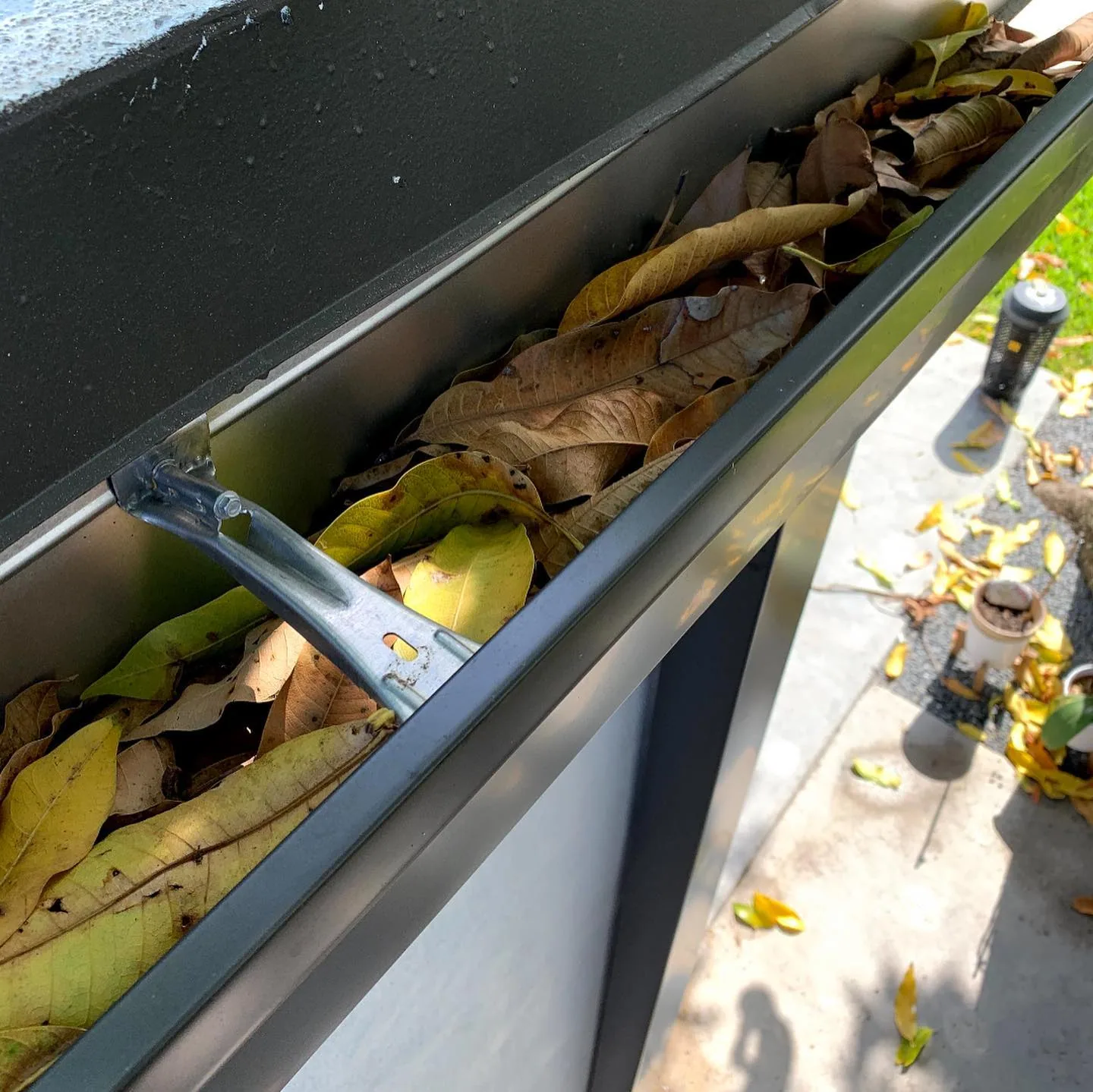
Your gutters clog faster in Cape Coral than almost anywhere in the country. Oak catkins in spring. Palm strings year-round. Pine needles, summer pollen, and the grit that salt air carries off the Gulf. A clean gutter in April is a packed trough by July, right when the rainy season dumps inches of water in an afternoon.
When a gutter clogs, water doesn't go where you planned. It sheets over the front lip, drives behind the back of the gutter, and soaks the fascia board. In our humidity, that wood rots quietly for months before you ever see a stain. So the real question isn't whether gutter guards keep leaves out. It's whether they protect the system you paid to install. For most Cape Coral homes, the honest answer is: yes, but only the right guard, installed the right way.
Why Cape Coral gutters clog so fast
Most parts of the country fight one or two kinds of debris. We fight a rotating cast all year.
- Oak catkins in late winter and spring — stringy, light, and perfect for forming a mat that holds water.
- Palm strings and seed pods that shed constantly and are heavy enough to bend a cheap guard.
- Pine needles, which slip through wide screen openings and pack down into a felt-like plug.
- Summer pollen and salt-air grit that bind the rest together into a paste.
Add tropical downpours that overwhelm any clogged channel, and you get overflow, fascia rot, and water pooling near the slab. Guards don't fix bad drainage on their own. But on a properly pitched, properly sized system, they keep the channel open through the months you least want to be up on a ladder.
Do gutter guards actually work in our climate?
Some do. Some make things worse. The type matters more than the brand.
- Foam inserts — avoid them. They sit inside the trough, trap pollen and grit, hold moisture, and break down fast in UV and heat. In salt air they become a sponge that corrodes the gutter from the inside.
- Plastic snap-in screens — cheap, and they get brittle in Florida sun within a couple of seasons. Pine needles still thread through the holes.
- Aluminum or stainless micro-mesh — the option worth considering. Fine mesh blocks catkins, needles, and pollen while letting heavy rain pass, and metal holds up to UV and salt far better than plastic.
- Reverse-curve / surface-tension covers — they can work, but in heavy tropical downpours water sometimes overshoots the curve and skips the gutter entirely. They also collect debris on top that has to be cleaned anyway.
For coastal Southwest Florida, a quality aluminum or stainless micro-mesh is usually the most durable choice. But it only performs on a gutter that was built to handle our rain in the first place.
Guards only help a gutter built for our rain
Here's what installers selling guards rarely tell you. A guard on an undersized, poorly pitched gutter just clogs slower while still overflowing in a real storm.
Before you spend money on guards, the system underneath has to be right:
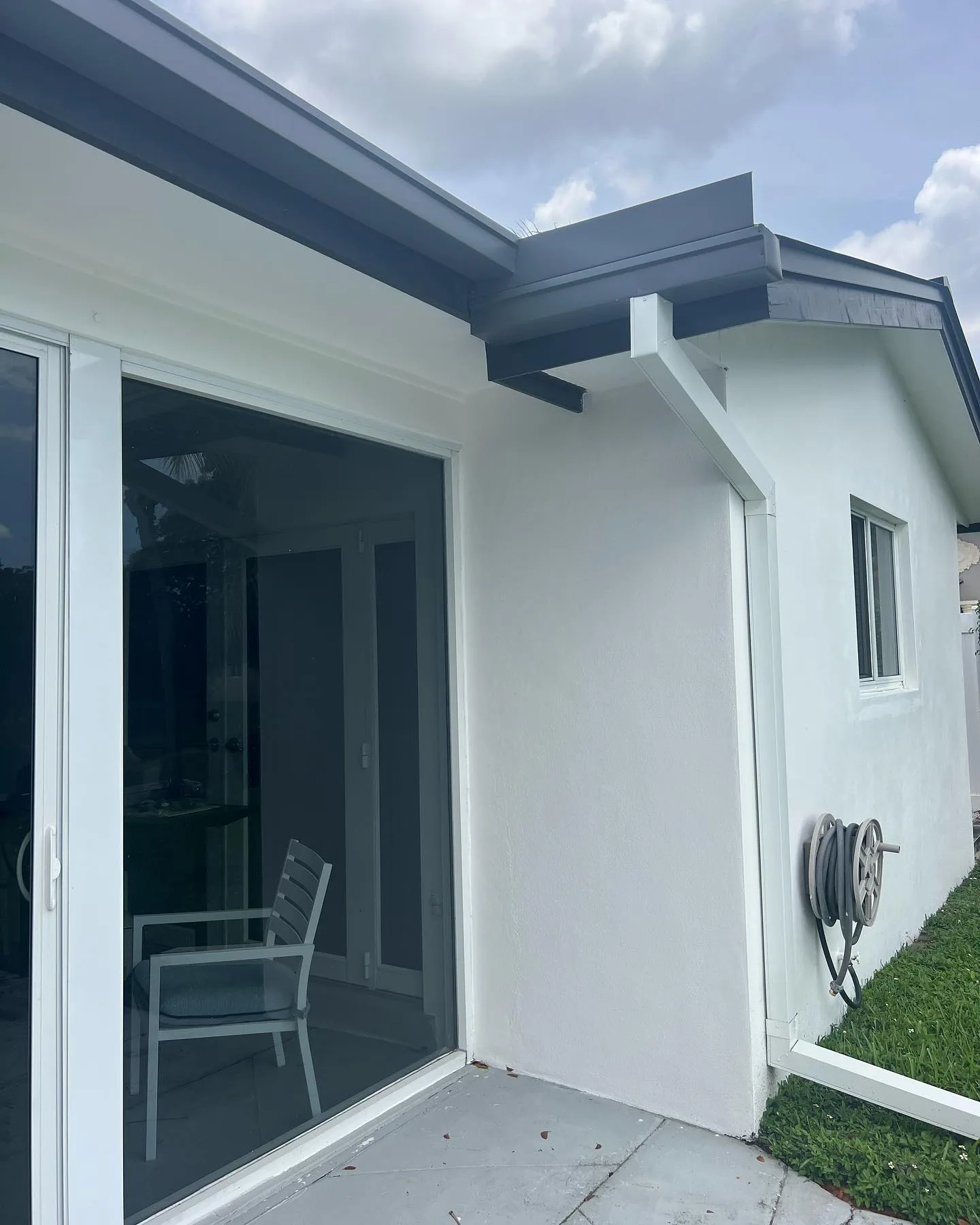
- .032-gauge aluminum minimum. Thinner metal pits and corrodes in salt air and dents under the weight of palm debris. Heavier gauge holds its shape and lasts.
- Hidden-hanger systems with screws, not spike-and-ferrule. Screws hold through wind events; spikes work loose and let the gutter sag, which kills your pitch and pools water.
- Oversized 3"x4" or dual downspouts. Standard downspouts choke during a tropical downpour. Bigger outlets move water before it backs up under a guard.
- Correct pitch. Even with a perfect guard, a flat gutter holds standing water that breeds mosquitoes and corrodes the channel.
If your existing gutters are thin, sagging, or spike-hung, guards are the wrong first investment. Fix the bones first. Our seamless gutter installation and gutter repair work address pitch, hangers, and gauge so a guard actually has something worth protecting.
The honest tradeoffs of gutter guards
We don't sell guards as a miracle. Here's the straight version.
What they do well:
- Cut how often you clean — fewer ladder trips during hurricane season, when you should be securing your home, not scooping catkins.
- Keep the channel flowing during peak rain so water reaches the downspout instead of the fascia.
- Reduce the standing debris that holds moisture against the metal and speeds salt-air corrosion.
What they don't do:
- Make a gutter maintenance-free. Fine pollen and palm grit still settle on top of mesh and need an occasional rinse.
- Fix overflow on an undersized or flat system.
- Last forever if they're plastic. Cheap guards are a recurring expense, not a one-time fix.
A good guard turns four cleanings a year into maybe one light rinse. That's a real win in our debris load — just not the "never touch it again" promise some companies make. If you'd rather skip guards entirely, regular gutter cleaning on a schedule is a legitimate alternative, especially on shaded lots heavy with oaks.
Timing your install and checking the fascia first
Schedule guard and gutter work in the dry season, November through May, and book before hurricane season starts June 1. Dry-season installs let crews work safely and let any sealant cure without an afternoon storm soaking it.
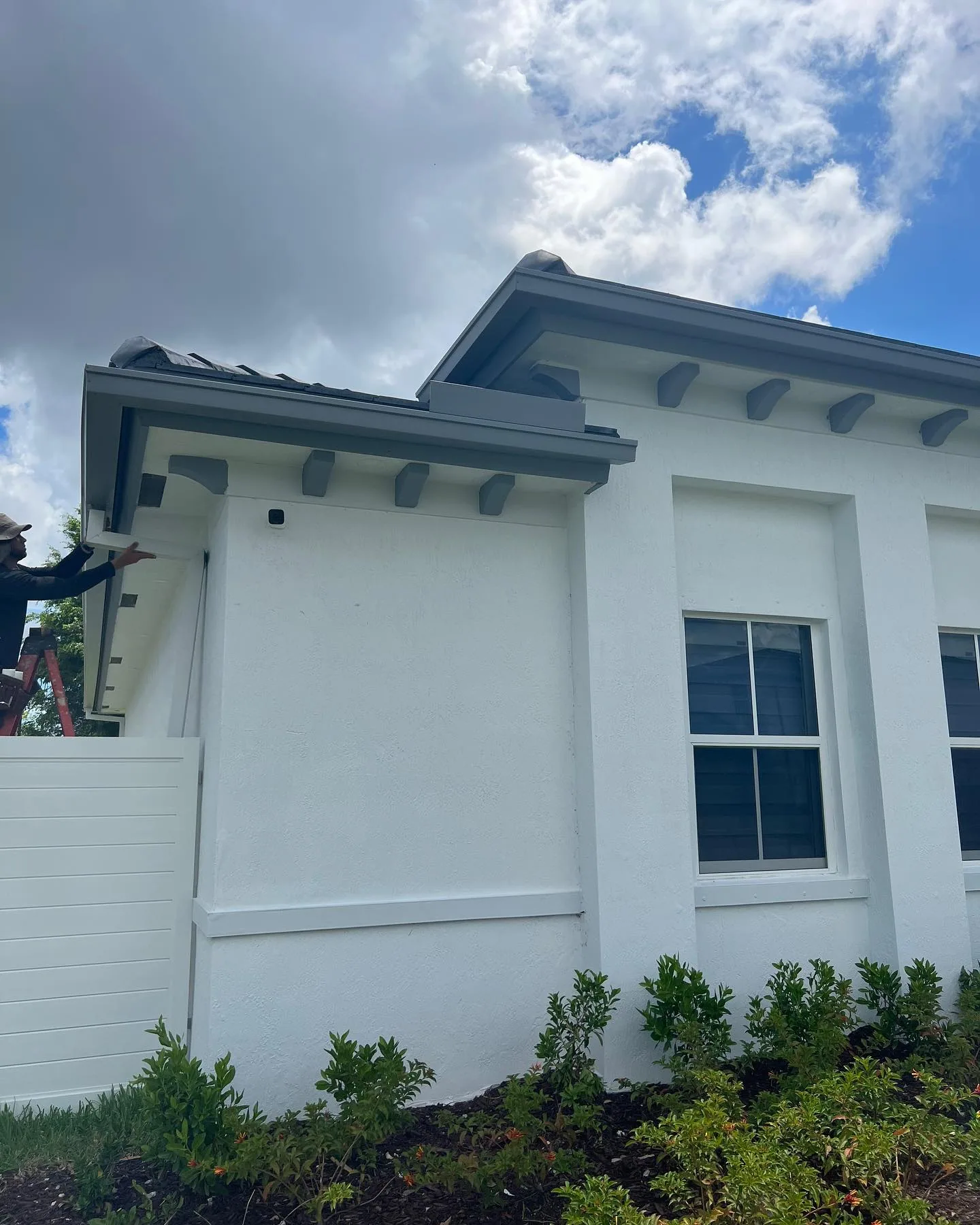
Before anything mounts to your roofline, the fascia needs a look. Cape Coral humidity hides rot behind paint. If a board is soft, mounting a fresh gutter and guard to it just locks moisture against failing wood. We inspect fascia for hidden humidity rot first, and handle soffit and fascia repair when we find it, so your new system mounts to something solid.
One more local note. If you want the function of good drainage with a bit of curb appeal, ask about decorative rain chains — a quieter, prettier alternative to a downspout in the right spot, and something most gutter companies in Cape Coral don't even offer.
How CAG Solutions can help
CAG Solutions is owner-led and local to Southwest Florida, and Carlos often does estimates himself. We won't upsell you a guard your gutters can't use. We'll look at your gauge, pitch, hangers, downspout size, and fascia, then tell you straight whether gutter guards make sense for your home or whether your money is better spent fixing the system first. Our crew is bilingual, English and Spanish, and we're open 7 days.
Want an honest read on your gutters before the rains hit? Call +1 (239) 350-9997 or request a free, no-pressure estimate. We'll guide you toward what actually holds up in salt air — not whatever costs the most.
Need a hand with your gutters?
CAG Solutions provides free, no-pressure estimates across Cape Coral and Southwest Florida.