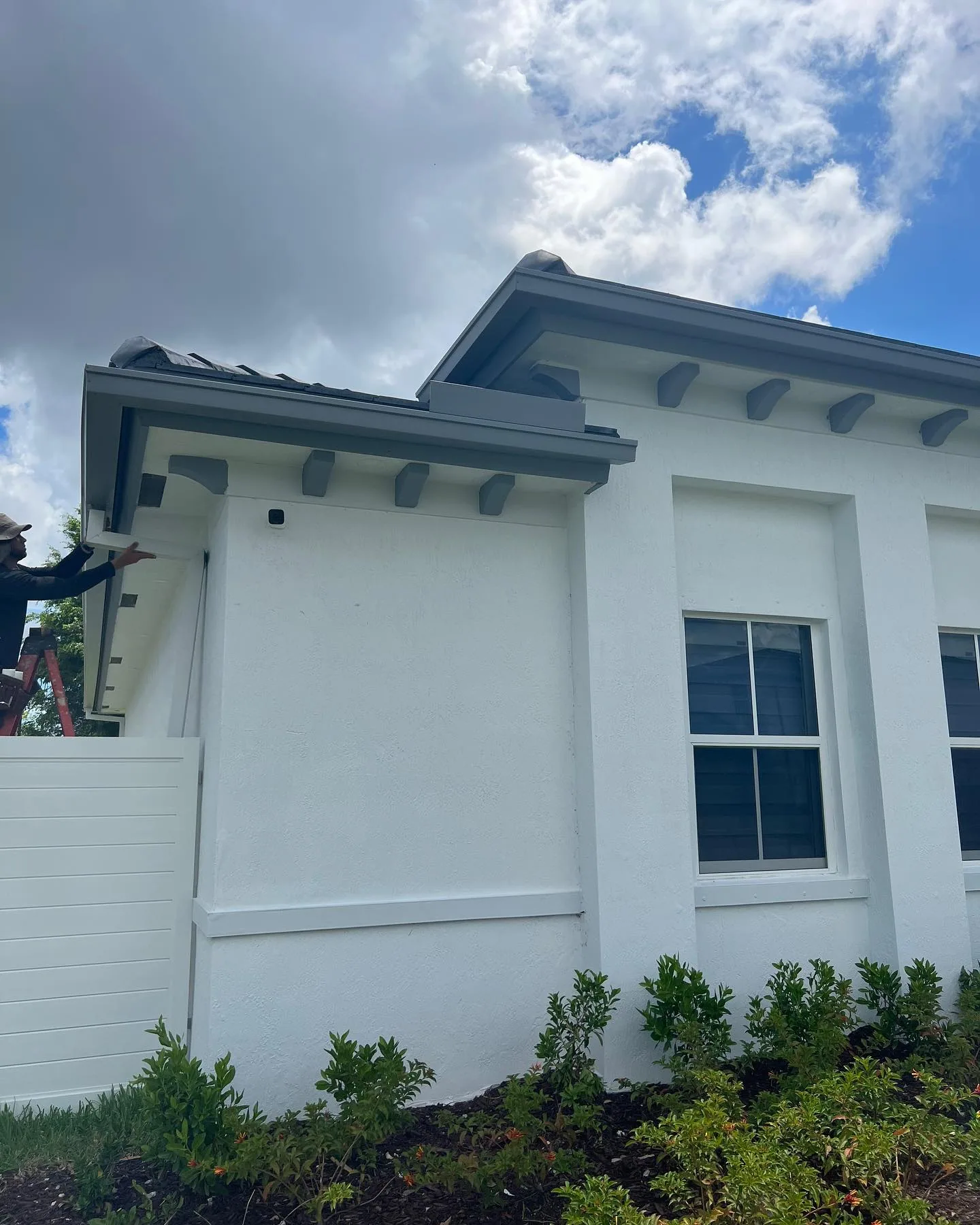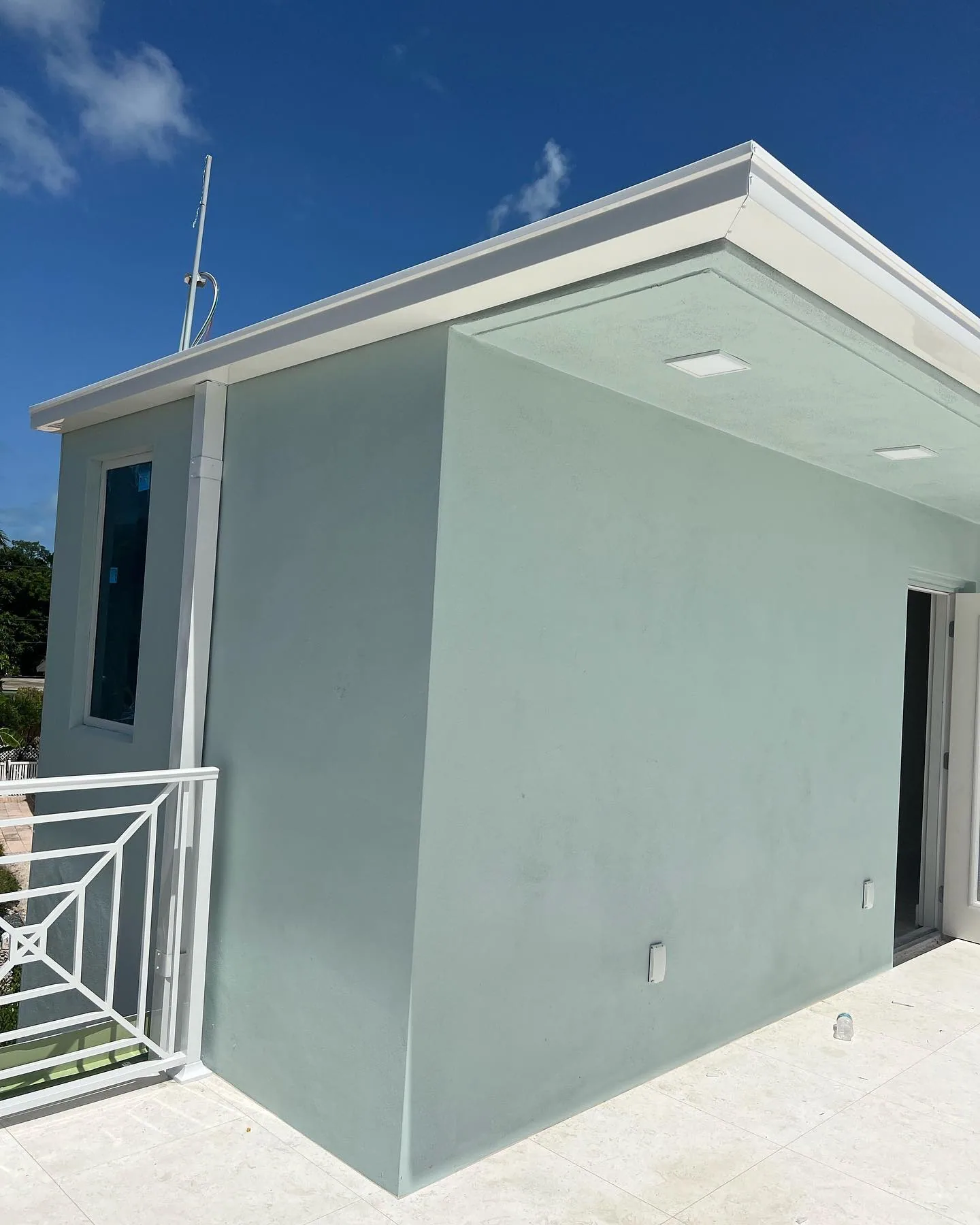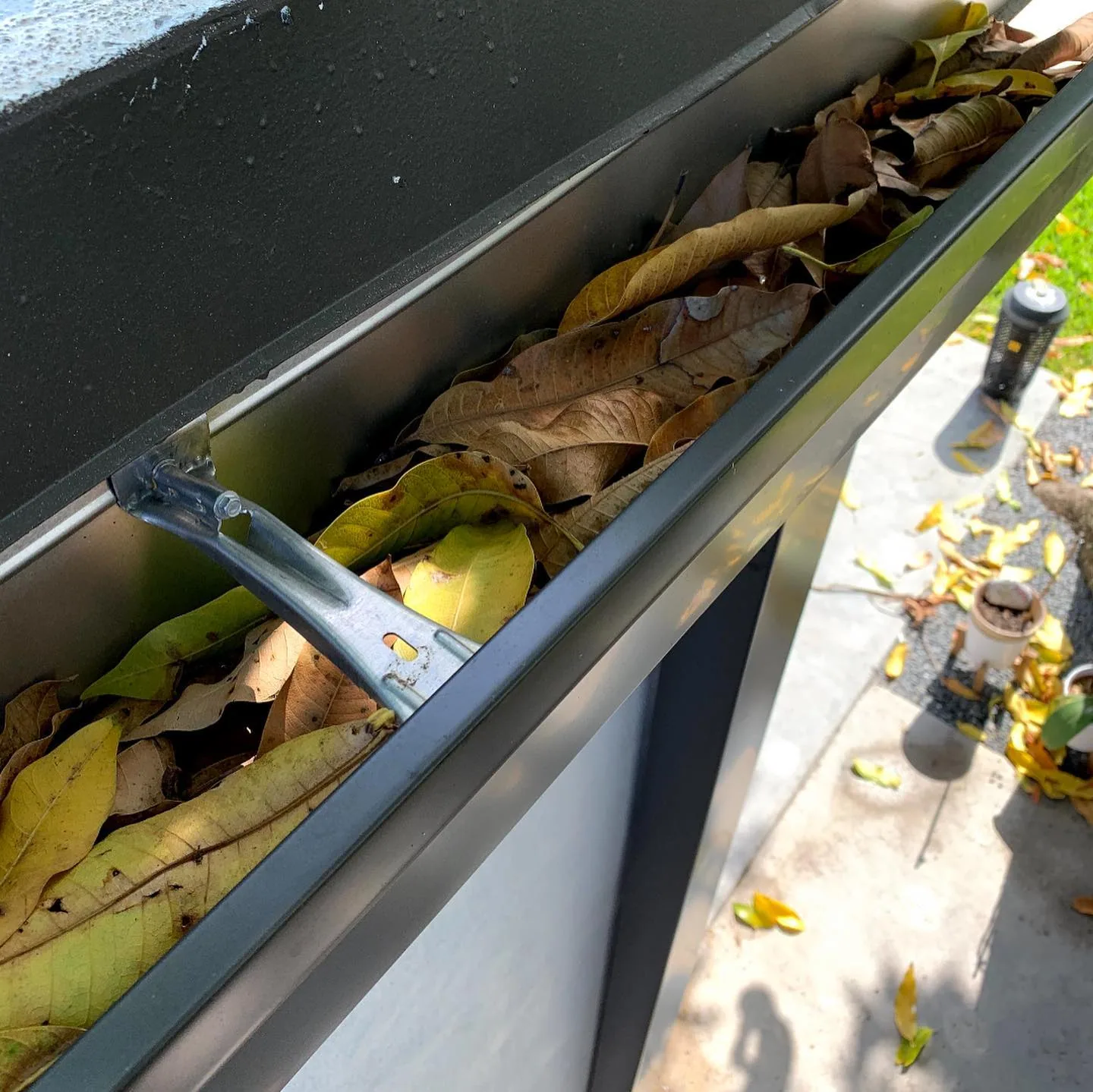
How to Choose a Gutter Company in Cape Coral, FL
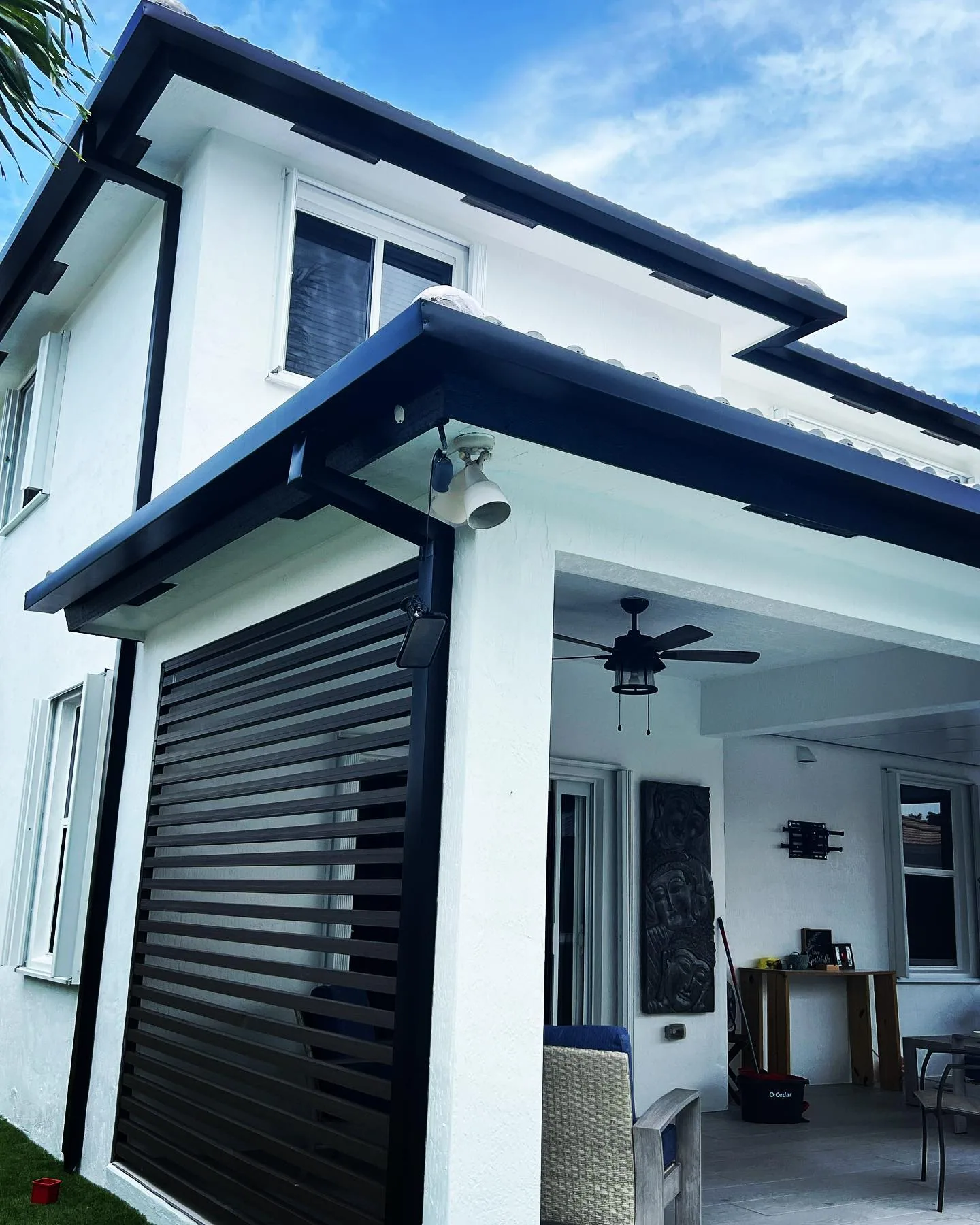
Most homeowners in Cape Coral pick a gutter company the same way they pick a pizza: cheapest price, fastest answer, done. Then the first real summer downpour hits, water sheets over the fascia, and the cheap install starts pulling away from the house in 40-mph gusts. Now you are paying twice.
Southwest Florida is brutal on rain gutters. Torrential rain, hurricane winds, and corrosive salt air all attack the same system at once. A company that installs gutters in Ohio the way they install them here will leave you with overflow, salt-air pitting, and rotted fascia inside a few seasons. Choosing the right contractor is less about price and more about who actually understands this climate. Here is how to tell them apart.
Hire local experience, not a traveling crew
Cape Coral has a problem no inland market has: salt air everywhere, even miles from open water. It pits thin aluminum, eats fasteners, and turns a clean install into a corroded mess fast. A contractor who works here every day knows that. A crew passing through for a season does not.
Ask any company you call a few direct questions:
- What gauge aluminum do you install on coastal homes, and why?
- Do you use hidden hangers with screws, or spike-and-ferrule?
- How do you size downspouts for our rain volume?
- Do you check the fascia before mounting anything?
If the answers are vague, keep dialing. A real Southwest Florida installer will have opinions, because they have fixed the failures. Local knowledge also means they understand neighborhood-specific debris loads and which streets sit lower and pool water. We work this market directly, including gutter installation across Cape Coral, so the recommendations match the conditions on your block.
Ask what they actually put on your house
Materials are where corners get cut, and you cannot see most of it from the curb. The thickness of the aluminum, the type of hanger, and the size of the downspout decide whether your gutters last or fail.
For a coastal home, insist on these:
- .032-gauge aluminum minimum. Builder-grade .025 is thinner, cheaper, and pits faster in salt air. The upgrade is small money for years of extra life.
- Hidden-hanger systems with screws. Spikes back out under thermal expansion and wind load. Screwed hidden hangers hold through storm seasons.
- Oversized 3"x4" or dual downspouts. Standard downspouts choke during a tropical downpour. Bigger outlets move the volume so water does not back up and overflow.
Seamless is the other non-negotiable. Sectional gutters have seams every few feet, and every seam is a future leak in our rain. Seamless gutters are formed on-site in one continuous run, so there is far less to fail. If a company is pushing sectional gutter on a Cape Coral home, that tells you something about how they think.
Look at how they install, not just what
The best aluminum in the world overflows if the pitch is wrong. Installation craftsmanship matters as much as the parts.
Pitch is the slope that carries water to the downspouts. Too flat and water pools, breeds algae, and spills over. Done right, you never think about it. Ask how they set and check pitch on a long run.
Then there is the fascia. This is the board your gutters bolt into, and in our humidity it hides rot you cannot see from the ground. A careful installer inspects the soffit and fascia for moisture damage before mounting anything. Bolt a heavy, water-filled gutter to a soft board and the whole system tears loose in the first storm. A company that skips this step is setting you up to fail.
One more tell: ask how they handle thermal expansion. Aluminum grows and shrinks with our heat. A crew that accounts for it installs gutters that do not buckle or pop fasteners by August.
Watch for the warning signs
Some signals should end the conversation. Walk away if a contractor does any of these:
- Demands a large deposit before any work. Be cautious with anyone wanting most of the money up front.
- Will not put the scope in writing. Gauge, downspout size, footage, and pitch should be on paper, not promised verbally.
- High-pressure "today only" pricing. A fair estimate holds for a reasonable window. Pressure is a tactic, not a deal.
- No interest in seeing your fascia or roofline. If they quote sight-unseen, they are guessing.
- Recommends spike-and-ferrule or .025 aluminum on a coastal home. That is an install built to be cheap, not to last.
A no-pressure estimate, by contrast, gives you time to think and compare. You should never feel rushed into protecting your own home.
Plan the timing and the upkeep
Even a perfect install needs the right timing and a plan for our debris. Schedule new gutter work in the dry season, roughly November through May, when crews are not fighting daily storms and the work goes faster. Most important: book before hurricane season starts June 1. You want your system wind-rated and overflow-proof before the first big system spins up, not after.
Our debris is relentless. Oak catkins in spring, palm strings year-round, pine needles, and a heavy dusting of summer pollen all clog gutters and downspouts. Ask whether the company offers gutter guards and ongoing cleaning, because installation is only half the job. A contractor who disappears after the install is not protecting your investment. The right one helps you keep the system flowing for years.
How CAG Solutions can help
CAG Solutions Rain Gutters is owner-led and built for Southwest Florida conditions. We install .032 seamless aluminum with screwed hidden hangers and properly sized downspouts, we check your fascia before we mount anything, and we offer decorative rain chains most companies never mention. Carlos often handles estimates personally, our crew is bilingual, and we are open 7 days. Learn more about our gutter installation and get a free, no-pressure estimate. Call +1 (239) 350-9997 or reach us through our contact page to book before hurricane season.
Need a hand with your gutters?
CAG Solutions provides free, no-pressure estimates across Cape Coral and Southwest Florida.